Choosing a Co Shipper can shape the cost, timing, and visibility of an international order. A missed pickup or unclear handoff may leave a buyer waiting for updates. Small details matter. This guide introduces ten companies that global buyers may consider when arranging freight across borders. It focuses on practical factors, not bold promises: service coverage, shipment tracking, communication, pricing clarity, and experience with different cargo needs.
A company that suits a frequent container shipper may not fit a small business sending occasional pallets. Compare each provider’s routes, available transport options, support, and quoted fees against your own shipment details. Ask who handles each stage, how tracking updates are provided, and what documents the buyer must prepare. These checks can make quotes easier to compare. They do not guarantee a smooth shipment. Service quality can vary by route, local partners, season, and shipment type, and published rankings cannot capture every buyer’s experience. The list is a starting point, not a final verdict. I would also revisit the comparison before booking; company services and rates change, and a polished website is not proof of consistent performance. Read the terms, confirm details directly, and choose based on your requirements.
In global buyer logistics, “co-shipper” can describe a party shipping goods together with another party. Often, separate sellers share space in one container or consolidated freight shipment. The cargo travels together, but each seller remains responsible for its own goods and shipment details. The term is not used identically by every carrier or freight forwarder.
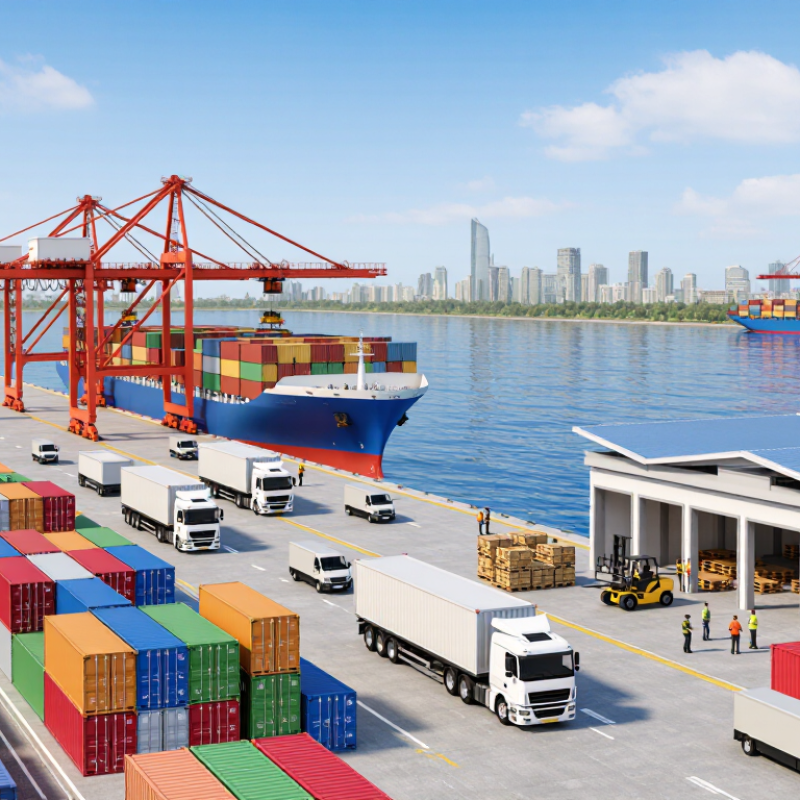
For a buyer, this arrangement may reduce unused space and combine orders headed to the same destination. Picture cartons from two suppliers loaded into one container, with labels showing each supplier’s shipment reference. The buyer should confirm how cargo will be identified, separated, and documented. Check carton counts, dimensions, weights, and delivery instructions before the goods leave. Small errors matter.
A co-shipper is not automatically the freight payer, importer, or party responsible for every other shipment. Responsibilities depend on the agreed service and shipping documents. Ask who books the transport, who handles consolidation, and what happens if one seller’s cargo is delayed. The wording can be confusing. Even experienced buyers should verify it in writing; a casual email may leave gaps. Clear records make it easier to trace a missing carton or resolve a mismatch at the destination.
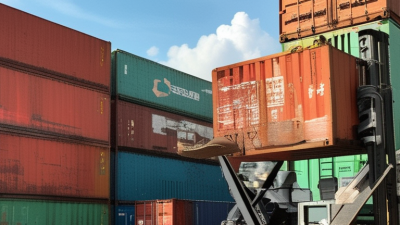
Sea freight is the backbone of cross-border goods movement, not just a low-cost alternative to air cargo. UNCTAD’s Review of Maritime Transport 2024 states that shipping carries over 80% of world trade by volume. That scale makes ocean capacity, port access, and reliable schedules important to global buyers. A delayed container can leave shelves empty or pause a production line. Delays happen.
Co-shipping providers can combine smaller loads from different buyers, helping reduce the cost of unused container space. Buyers comparing providers should check sailing frequency, cargo-tracking updates, port-to-port transit estimates, and how local pickup and delivery are coordinated. Ask how cut-off times and schedule changes are communicated. A tidy booking sheet is useful, but real port schedules are less tidy; allow buffer time.
Tips: Share accurate carton dimensions and cargo-ready dates when requesting a quote. Compare the full landed service, not just the ocean rate, and confirm who handles each transfer. For urgent stock, check the actual sailing calendar before promising a delivery date.
A threshold illustration of the widely cited estimate for international trade carried by sea.
UNCTAD reports that more than 80% of international trade by volume is carried by sea. The chart uses an 80/20 threshold illustration—not an exact measured split—so the sea freight share is above 80% and the share carried by other modes is below 20%.
What Are the Top 10 Co-Shipper Companies for Global Buyers?
A useful top-ten comparison starts with capacity, but headline TEU figures need context. UNCTAD’s Review of Maritime Transport 2024 reports that global container fleet capacity grew 8.2% in 2023. That growth does not guarantee space on a buyer’s preferred route. Ask whether quoted capacity is owned, operated, or available through partner networks, and check sailing frequency on the lanes you actually use. Capacity is not certainty. A large network may still offer few direct weekly departures from a smaller port.
Coverage and reliability deserve equal weight. The World Bank’s 2023 Container Port Performance Index assessed 405 ports, representing more than 80% of global containerized trade. Use port-level performance as context, then compare each provider’s recent arrival records, schedule changes, and documented transit times. Ask for route-level data, not a global average. Sea-Intelligence’s Global Liner Performance reports also track schedule reliability, showing why published timetables alone can be misleading. Compare like with like: the same origin, destination, season, and service type. A spreadsheet can help, though I would still question any ranking built from incomplete or self-reported figures.
Global buyers usually build co-shipping arrangements around the route, cargo, and delivery schedule, rather than a universal ranking. Ten provider types commonly support major trade lanes: international freight forwarders coordinate end-to-end moves; ocean carriers offer scheduled vessel space; non-vessel-operating consolidators combine smaller loads; air-cargo consolidators secure shared capacity; and customs brokers prepare shipment documentation. Their roles differ. A broker may clear cargo, but it does not necessarily manage transport.
Other useful partners include regional trucking networks for port pickup, rail-intermodal operators for inland corridors, cold-chain logistics providers for temperature-sensitive goods, project-cargo specialists for oversized equipment, and digital freight platforms that compare available services. Coverage varies. A provider serving Asia–Europe routes may offer limited support on a South America–Africa movement. Buyers should check actual port pairs, sailing frequency, cargo limits, insurance terms, tracking updates, and who handles delays. Ask for a sample route plan, including handoffs and estimated transit windows. Details matter.
Experience on one lane does not guarantee performance on another, and quoted transit times can shift with congestion or weather. That is easy to overlook. Compare providers using the same shipment details, then confirm responsibilities in writing before booking.
The entries below are non-ranked, anonymous service profiles, not claims about specific companies. Trade lanes and port examples are established commercial routes; actual service availability, transit times, and routing vary by provider, shipment, and operating conditions.
| Profile | Representative trade lane | Common transport modes | Typical cargo examples | Buyer considerations |
|---|---|---|---|---|
| Anonymous profile 01 | East Asia to North America’s Pacific coast; examples include Shanghai–Los Angeles and Busan–Vancouver | Ocean FCL and LCL; air freight for urgent shipments | Electronics, furniture, apparel, and consumer goods | Compare port-to-door coverage, customs support, and inland delivery options. |
| Anonymous profile 02 | East Asia to North America’s Atlantic coast; routing may use the Panama Canal or other services depending on the sailing | Ocean FCL and LCL; intermodal rail or truck after arrival | Machinery, household goods, textiles, and retail products | Check the quoted routing, transshipment points, and destination charges. |
| Anonymous profile 03 | East Asia to Northern Europe; examples include Ningbo–Rotterdam and Singapore–Hamburg | Ocean FCL and LCL; air freight for time-sensitive cargo | Consumer electronics, machinery, furniture, and clothing | Ask how the quote handles customs clearance, EU import requirements, and final-mile delivery. |
| Anonymous profile 04 | Europe to North America’s Atlantic coast; examples include Rotterdam–New York and Antwerp–Montreal | Ocean FCL and LCL; air freight for urgent consignments | Industrial equipment, pharmaceuticals, food products, and vehicles | Confirm cargo-specific handling, documentation, and import compliance requirements. |
| Anonymous profile 05 | Intra-Asia; examples include China–Japan, South Korea–Vietnam, and Singapore–Thailand | Short-sea ocean freight, FCL, LCL, road, and air freight where available | Components, electronics, textiles, and intermediate manufacturing goods | Review sailing frequency, cross-border paperwork, and local delivery arrangements. |
| Anonymous profile 06 | Europe to the Mediterranean; examples include Valencia–Alexandria and Piraeus–Istanbul | Short-sea ocean freight, FCL, LCL, and road transport on suitable corridors | Food and beverage, building materials, machinery, and consumer goods | Check country-specific customs procedures and whether the service includes inland transport. |
| Anonymous profile 07 | South Asia to Europe; examples include Nhava Sheva–Felixstowe and Colombo–Rotterdam | Ocean FCL and LCL; air freight for high-priority goods | Apparel, textiles, pharmaceuticals, and engineering products | Confirm origin pickup, export documentation, and destination customs services. |
| Anonymous profile 08 | Middle East to Europe and Asia; examples include Jebel Ali–Rotterdam and Jebel Ali–Mumbai | Ocean FCL and LCL, air freight, and road transport on regional routes | Petrochemical products, machinery, foodstuffs, and general cargo | Check restricted-goods rules, document requirements, and shipment-specific handling conditions. |
| Anonymous profile 09 | East and Southern Africa to Europe; examples include Mombasa–Rotterdam and Durban–Antwerp | Ocean FCL and LCL; air freight for selected cargo | Agricultural products, minerals, metals, and manufactured goods | Assess port handling, export permits where applicable, and inland pickup or delivery coverage. |
| Anonymous profile 10 | Oceania to Asia; examples include Sydney–Singapore and Melbourne–Shanghai | Ocean FCL and LCL; air freight for urgent shipments | Food products, raw materials, machinery, and retail goods | Verify biosecurity and import requirements, cargo eligibility, and delivery scope. |
What Are the Top 10 Co Shipper Companies for Global Buyers?
UNCTAD reported that global maritime trade grew by 2.4% in 2023, following a contraction in 2022. That modest recovery matters when buyers compare shipping providers, but it does not mean every route became busier. Demand, port capacity, and sailing schedules vary by trade lane. Not everywhere, though.
For a booking decision, compare providers on the route you actually need. Check sailing frequency, documented schedule reliability, space availability, and how clearly they explain surcharges. A provider with fewer weekly departures may still suit a buyer whose cargo can wait. Small details matter. Ask how much buffer is realistic between vessel arrival and a delivery deadline, especially when cargo changes hands between ports or transport modes.
A low quote can look convincing on a spreadsheet; it is an easy mistake to focus on price alone. Compare the full estimated cost and the terms for changing a booking. Also review recent performance on the specific port pair, rather than relying only on global growth figures. UNCTAD’s 2.4% figure describes broad market activity, not a guarantee of capacity or punctuality for an individual shipment. Growth is useful context, not a booking plan.