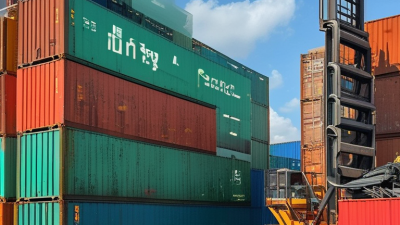
Cargo Services keep modern trade moving, from a small pallet leaving a warehouse to machinery crossing an ocean. Choosing the right service depends on distance, urgency, cargo size, budget, and handling requirements. A reliable provider should offer clear documentation, shipment tracking, secure packaging, and realistic delivery estimates.
This guide examines the main types of Cargo Services, including air freight, ocean freight, road transport, rail freight, courier delivery, and multimodal shipping. Air freight suits urgent, lightweight goods, while ocean freight often supports large volumes at a lower cost. Road transport provides flexible door-to-door movement, and rail can offer dependable inland capacity over long distances.
Each option has practical trade-offs. Speed costs more. Capacity may reduce flexibility. A delayed customs document can hold a carefully planned shipment at a terminal. Small details matter, such as pallet dimensions, temperature needs, loading access, and insurance coverage. Provider experience also matters, especially when cargo passes through several countries or transport hubs.
No single option wins every time. That assumption can fail. Even a trusted carrier may face weather, congestion, equipment shortages, or inaccurate weight information. Comparing service scope, safety procedures, performance records, and customer support helps reduce avoidable problems. The sections ahead explain how each cargo type works and where it fits best, helping shippers make informed, lawful, and practical decisions.
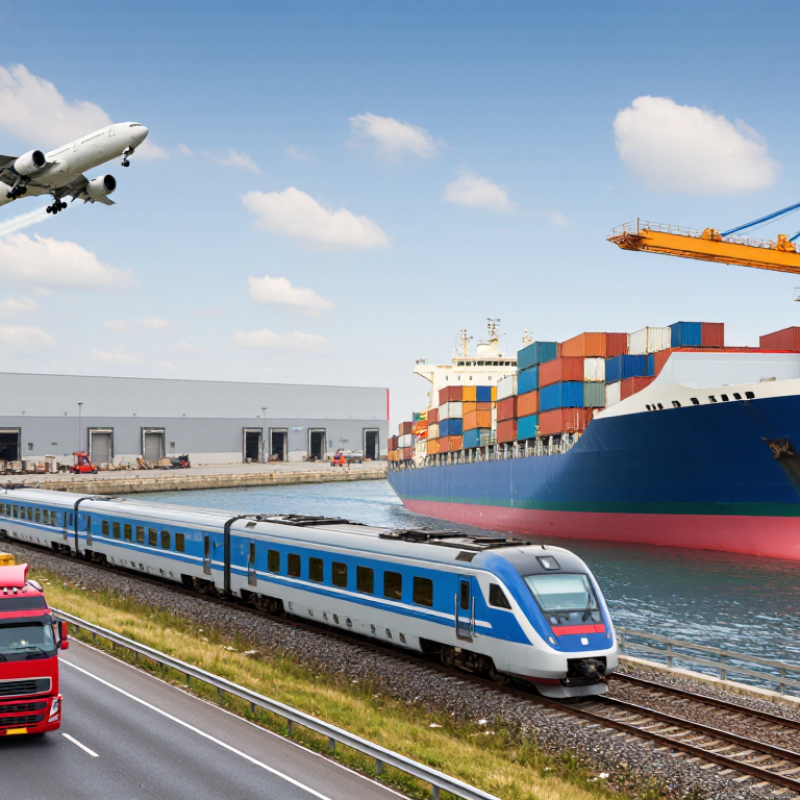
Cargo services manage the movement of goods between sellers, buyers, warehouses, ports, airports, and distribution centers. They cover booking, packaging, documentation, customs coordination, tracking, storage, and delivery. The main types include ocean freight, air freight, road transport, rail transport, and multimodal shipping. Each option balances speed, cost, capacity, and risk differently.
Ocean freight handles containers, bulk materials, and refrigerated cargo. It suits heavy shipments with flexible delivery schedules. The United Nations Conference on Trade and Development reported that maritime transport carries over 80% of global merchandise trade by volume. Air cargo moves urgent, valuable, or temperature-sensitive goods, often within strict airport cut-off times. Industry data commonly reports that air freight carries more than one-third of global trade value, despite its smaller physical volume.
Road freight provides flexible door-to-door delivery, while rail supports stable inland routes and large loads. Multimodal services combine these methods through one coordinated movement. A pallet may travel by truck, rail, and ship before reaching a retail warehouse. That choice matters.
The World Bank’s 2023 Logistics Performance Index highlights customs, infrastructure, tracking, and delivery reliability as major logistics factors. In practice, delays often come from missing documents or poor handovers, not distance alone. A neat classification can mislead. Real cargo planning remains imperfect, especially when weather, congestion, or demand changes suddenly.
Air cargo services are designed for shipments that cannot wait for slower transport. They move medical supplies, fresh produce, replacement parts, and urgent documents across long distances. Transit times can be measured in hours, not weeks. That speed helps businesses protect production schedules and reduce losses from delays.
The process begins with accurate booking information and suitable packaging. Cargo teams check dimensions, weight, handling needs, and delivery deadlines before accepting a shipment. Temperature-sensitive goods may require insulated containers and continuous monitoring. Fragile items need cushioning, clear labels, and stable placement during loading. Security screening and complete customs documents also support lawful, reliable movement.
From practical shipping experience, air freight is not automatically the best choice. It usually costs more than sea, rail, or road transport. Weather, airport congestion, and incomplete paperwork can still create delays. That assumption can fail. A rushed handoff may also damage goods, even when the aircraft departs on schedule. Shippers should compare urgency, value, product sensitivity, and destination rules before choosing this service. Real-time tracking improves visibility, but it cannot replace careful preparation. Reliable cargo planning means checking each transfer point, confirming delivery instructions, and allowing a small buffer for unexpected problems.
Ocean cargo services are a practical choice for oversized or high-volume shipments. UNCTAD’s Review of Maritime Transport 2023 reports that ships carry over 80% of global trade by volume. They also transport more than 70% by value. This capacity keeps ocean freight cost-effective for machinery, furniture, raw materials, and full container loads. A 40-foot container can consolidate many pallets, reducing handling and transport costs per unit.
Ocean freight is slower than air cargo, but the price difference can be substantial. The World Bank’s Logistics Performance Index 2023 shows that reliable tracking, customs processes, and infrastructure strongly affect delivery performance. Shippers should compare the total landed cost, not only the ocean rate. Include fuel adjustments, terminal handling, documentation, inland trucking, and storage charges. A low quotation can become expensive. Rates also shift with seasons, port congestion, equipment shortages, and route disruptions.
Good planning starts with accurate cargo dimensions and a realistic delivery window. Confirm weight limits, container suitability, export documents, and the terminal cut-off time. Use moisture protection for sensitive goods. Secure pallets tightly, but avoid overpacking. One missed cut-off may add several days. The calculation is rarely perfect. A spreadsheet cannot predict every port delay. Still, buffer time and clear communication reduce avoidable surprises. For large shipments, ocean cargo works best when cost, transit time, and operational risk receive equal attention.
Ocean freight is well suited to large shipments because vessels can carry substantially more cargo than other transport modes. This chart compares representative deadweight capacity by major ocean cargo vessel type. Actual capacity varies by vessel design, route, cargo density, and operating requirements.
Land cargo services connect factories, warehouses, ports, and stores through roads and railways. They suit shipments that need flexible pickup times or reliable inland movement. Road freight can collect pallets from a small workshop and deliver them directly to a distribution center. Rail freight works better for heavier loads, longer distances, and scheduled corridors. In 2022, road transport carried about 77% of the European Union’s inland freight tonne-kilometres, according to Eurostat. Rail carried a smaller share, but it remains useful for bulk cargo and predictable routes.
The operational choice depends on distance, cargo weight, delivery windows, and transfer points. A road shipment may move overnight, stop at a cross-dock, and arrive with fewer handling stages. Rail cargo usually needs trucks at both ends. This adds coordination, yet it can reduce pressure on highways. The International Transport Forum’s Transport Outlook identifies freight growth and network capacity as continuing infrastructure challenges. Congestion is costly.
Practical planning matters. Confirm loading appointments, pallet dimensions, axle limits, and temperature requirements before booking. Use shipment tracking at handover points, not only at departure. The World Bank’s Logistics Performance Index 2023 evaluates logistics through customs, infrastructure, shipment arrangements, tracking, and timeliness. These measures show why a low transport price alone can mislead. A delayed rail connection may create storage fees and missed production windows. Road freight is more adaptable, but drivers, weather, and urban restrictions can disrupt schedules. Rail is steadier on suitable corridors, although its timetable may leave little room for last-minute changes. The honest answer is imperfect: the best solution often combines both modes.
What Are the Top Types of Cargo Services?
Specialized Cargo Services for Fragile, Perishable, and Dangerous Goods
Cargo services become more demanding when ordinary handling is not enough. Fragile shipments need rigid outer cartons, cushioning, and controlled movement. Glassware, laboratory instruments, and precision parts may suffer from impacts that look minor. A shock indicator can reveal rough handling after delivery. However, a sticker alone cannot protect a package. Correct packing remains essential.
Perishable cargo requires speed and stable temperatures. Fresh produce, frozen foods, and some medical supplies need suitable thermal packaging. Insulated containers, dry ice, and temperature data loggers can support the cold chain. Staff should record the cargo temperature before dispatch and during handovers. A delayed flight or a warm loading area can create serious problems. Contingency planning is useful, although it is not always perfect.
Dangerous goods require trained personnel, accurate classification, approved packaging, and complete documentation. Legal requirements vary by transport method and destination. Cargo teams must check labels, quantity limits, segregation rules, and emergency information before acceptance. They should never guess a substance’s classification. That mistake can endanger workers, aircraft, vehicles, and communities. Clear communication matters, especially when several handlers share responsibility. In practice, small documentation errors often cause delays, so every detail deserves a careful review.
| Cargo Service Type | Typical Cargo | Primary Risks | Recommended Handling | Common Temperature Range | Packaging Requirements | Key Documentation or Compliance |
|---|---|---|---|---|---|---|
| General Cargo Services | Consumer goods, textiles, machinery parts, packaged products, and non-hazardous materials | Damage, theft, moisture exposure, incorrect labeling, and delivery delays | Standard loading, secure palletization, shipment tracking, and protection from weather | Ambient conditions unless the product specification states otherwise | Corrugated cartons, pallets, stretch wrap, edge protection, and suitable void fill | Commercial invoice, packing list, transport document, and customs information where applicable |
| Fragile Cargo Services | Glassware, ceramics, optical equipment, laboratory instruments, artwork, and precision devices | Shock, vibration, impact, crushing, tilting, and sudden temperature or humidity changes | Use careful manual handling, shock indicators when appropriate, limited stacking, and frequent condition checks | Usually controlled ambient conditions; sensitive items may require approximately 15–25°C and controlled humidity | Double-wall cartons, molded cushioning, foam inserts, suspension packaging, and “This Side Up” labels | Packing list, handling instructions, insurance records, and special handling declarations when required |
| Perishable Cargo Services | Fresh produce, meat, seafood, dairy products, flowers, pharmaceuticals, and biological materials | Spoilage, temperature excursions, dehydration, contamination, and shortened shelf life | Prioritize transit, maintain the cold chain, monitor temperature continuously, and minimize transfer time | Chilled: approximately 0–5°C; frozen: −18°C or below; pharmaceutical ranges depend on the product specification | Insulated containers, gel packs, dry ice where permitted, refrigerated units, and validated thermal packaging | Health certificates, phytosanitary certificates, temperature records, import permits, and product-specific declarations |
| Dangerous Goods Services | Flammable liquids, corrosive substances, compressed gases, toxic materials, oxidizers, and certain batteries | Fire, explosion, leakage, chemical exposure, environmental harm, and regulatory non-compliance | Use trained personnel, segregate incompatible materials, inspect packages, and follow approved routing and handling procedures | Product-specific; protect from heat, ignition sources, freezing, or other conditions identified in the safety data | UN-specification packaging where required, leak-resistant inner packaging, absorbent material, hazard labels, and marks | UN number, proper shipping name, hazard class, packing group when applicable, safety data sheet, and mode-specific declarations |
| Oversized and Heavy-Lift Cargo Services | Industrial machinery, construction equipment, transformers, generators, wind-energy components, and structural assemblies | Weight imbalance, route restrictions, lifting accidents, shifting loads, and infrastructure limitations | Perform route surveys, calculate load distribution, use certified lifting equipment, and obtain permits before movement | Normally ambient conditions, with weather protection or environmental controls for sensitive equipment | Custom crates, steel frames, blocking and bracing, waterproof covers, and engineered tie-down systems | Dimensions and weight certificates, lifting plans, cargo manifest, transport permits, and route approvals |
| Live Animal Cargo Services | Domestic animals, livestock, laboratory animals, and zoological specimens | Stress, injury, dehydration, temperature exposure, disease transmission, and inadequate ventilation | Use species-appropriate containers, ventilation, access to water when required, welfare checks, and minimized transit time | Species-specific controlled conditions based on veterinary and transport requirements | IATA-compliant live-animal containers or approved equivalent equipment, absorbent bedding, and ventilation openings | Veterinary health certificate, import or export permits, vaccination records, and applicable animal-welfare documentation |
| High-Value and Secure Cargo Services | Currency, precious metals, confidential documents, advanced electronics, pharmaceuticals, and luxury goods | Theft, tampering, loss, unauthorized access, and information exposure | Use restricted access, sealed vehicles or containers, chain-of-custody controls, GPS tracking, and proof of delivery | Usually controlled ambient conditions; special environmental requirements depend on the product | Tamper-evident seals, discreet outer packaging, secure containers, serialized labels, and protective cushioning | Commercial invoice, insurance documentation, chain-of-custody records, security procedures, and customs documents where applicable |
Note: Exact packaging, temperature, labeling, documentation, and routing requirements depend on the cargo characteristics, origin and destination, and the selected transport mode. Dangerous goods must be classified and prepared according to the regulations applicable to air, sea, road, or rail transport.