Why Is Cargo Movement Crucial for Global Supply Chains?
Cargo Movement plays a vital role in global supply chains. Its efficiency affects economies and businesses worldwide. Every day, millions of goods are transported across borders. Each shipment contributes to economic growth and consumer satisfaction.
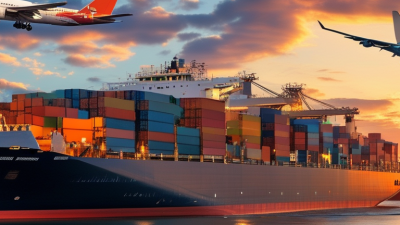
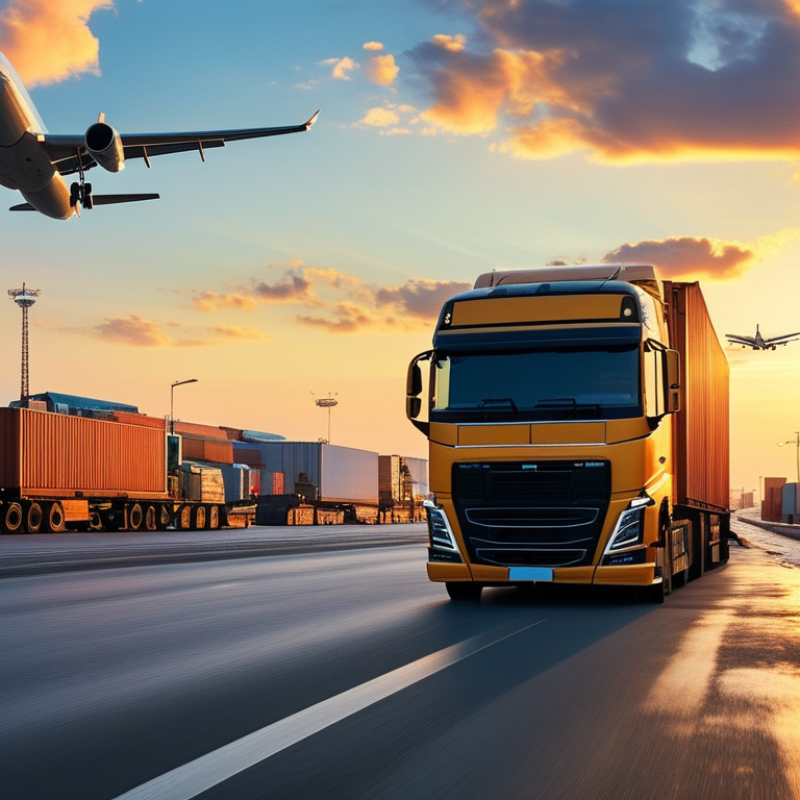
Timely cargo movement helps maintain inventory levels for retailers. Delays can lead to stock shortages, disappointing customers. Companies need reliable logistics to thrive. The complexity of global supply chains makes this even more crucial. Transportation involves various modes, including trucks, ships, and airplanes. Each method presents unique challenges and benefits.
Moreover, the reliance on technology is increasing. Real-time tracking systems enhance visibility. However, technological failures can cause disruptions. Businesses must consider the risks involved in cargo movement. It is a necessary aspect of trade that requires continuous improvement. Ultimately, understanding cargo movement is key to sustaining global commerce.
The Role of Cargo Movement in Global Trade Dynamics
Cargo movement plays a crucial role in global trade dynamics. In 2021, around 90% of the world's goods were transported by sea. This statistic highlights the immense reliance on maritime shipping for international commerce. Efficient cargo movement ensures that products reach their destinations timely, impacting everything from inventory levels to consumer satisfaction.
Logistics providers face constant challenges in optimizing routes and reducing transit times. According to the World Bank, an improvement in port infrastructure can boost a country's trade by over 12%. However, delays and congestion often arise due to inadequate facilities or unexpected disruptions. These inefficiencies can lead to increased costs and lost sales opportunities.
Furthermore, the growing demand for faster delivery options puts additional pressure on supply chains. A report by McKinsey states that 79% of consumers are willing to pay more for same-day delivery. This shift pushes logistics companies to innovate, but many face hurdles in meeting these expectations. The need for robust cargo movement solutions remains vital for sustaining economic growth and adaptability in an ever-evolving market.
Why Is Cargo Movement Crucial for Global Supply Chains?
| Cargo Type |
Annual Volume (Million Tons) |
Major Trade Routes |
Impact on Economy (Billion USD) |
| Containerized Cargo |
1,500 |
Asia to North America, Europe to Asia |
200 |
| Bulk Commodities |
2,200 |
South America to Asia, Africa to Europe |
150 |
| Automobiles |
70 |
Asia to Europe, North America to Asia |
50 |
| Pharmaceuticals |
300 |
Europe to North America, Asia to Global |
100 |
| Food Products |
600 |
North America to Asia, South America to North America |
80 |
Key Components of Cargo Movement in Supply Chains
Cargo movement is a pivotal element of global supply chains. The efficiency of this process directly influences trade dynamics and economic interconnectivity. Recent reports indicate that in 2022, around 90% of global trade volume was transported via maritime freight. This underscores the essential role that shipping plays in moving goods across borders.
One critical aspect of cargo movement is logistics management. Effective logistics ensures timely delivery and cost control. A study by the Council of Supply Chain Management Professionals reveals that transportation costs make up about 60% of the total logistics costs for many companies. This high percentage emphasizes the need for optimizing cargo routes and modes. Additionally, technology integration in tracking shipments has improved visibility. Real-time data allows companies to respond swiftly to delays. However, challenges still arise. Many businesses lack adequate infrastructure, especially in emerging markets.
The handling of cargo also includes customs clearance and documentation. Compliance with regulations is vital. Mistakes can lead to delays and increased costs. According to the World Bank, countries that streamline logistics processes can reduce trade costs significantly—by up to 15%. This improvement not only cushions local economies but enhances the overall efficiency of global supply chains. Continuous investment in infrastructure and process improvements is essential, but many still fall short in execution, revealing gaps that need addressing.
Impact of Efficient Cargo Movement on Economic Growth
Efficient cargo movement greatly impacts economic growth. The global supply chain relies on timely transportation and logistics. According to the World Trade Organization, a 1% increase in cargo efficiency can boost global GDP by 0.5%. This highlights the importance of optimizing shipping and freight operations.
Cargo operations are complex and involve multiple stakeholders. Delays can lead to increased costs and lost opportunities. A study by the International Transport Forum suggests that inefficiencies in cargo movement can reduce trade volume by up to 20%. This indicates the need for better planning and real-time data usage.
Monitoring cargo flow is essential. Logistics managers should track performance metrics closely. Embracing technology can lead to improved visibility and predictability. Regular reviews of shipping routes and methods can reveal inefficiencies. Using data analytics helps anticipate potential delays and address them proactively. Companies must remain adaptable in their operations. The shifting landscape demands constant evaluation and adjustments to maintain competitiveness.
Challenges and Solutions in Cargo Transportation
Challenges in cargo transportation are numerous. Delays caused by weather, congestion, and equipment failures are common. These issues disrupt supply chains and affect inventory management. Companies often face increased costs due to unexpected delays. Inefficient logistics processes can lead to lost sales opportunities.
Finding solutions requires collaboration across the entire supply chain. Implementing advanced tracking technology helps anticipate issues. Real-time data allows for quick decision-making, improving efficiency. Training employees on best practices is essential. Understanding regulations in different regions also minimizes risks. This adaptability can enhance resilience.
Despite the advancements, challenges remain. Some regions lack infrastructure for efficient cargo movement. Regulatory discrepancies can complicate operations. Companies must continually assess their strategies. Flexibility and innovation play key roles in overcoming obstacles. Engaging with multiple stakeholders fosters a more robust supply chain ecosystem.
Future Trends in Cargo Movement and Supply Chain Efficiency
The future of cargo movement is shaped by emerging technologies and shifting dynamics in global trade. Automation is becoming more widespread, through the use of drones and robotic systems. These innovations enhance the speed of deliveries. However, they also prompt questions about job displacement in traditional roles.
Sustainability is a critical trend too. Companies are exploring greener logistics solutions, such as electric vehicles and alternative fuels. Adopting these methods can lower emissions. Yet, the transition may be costly and complex, requiring careful planning and expertise.
Moreover, global disruptions highlight vulnerabilities in current supply chains. Events like natural disasters or geopolitical issues can cause significant delays. Adapting to these challenges demands better forecasting and flexibility. Companies will need to rethink strategies to ensure reliability and responsiveness, striking a balance between efficiency and resilience.