What is Cargo Movement and How Does it Affect Global Trade?
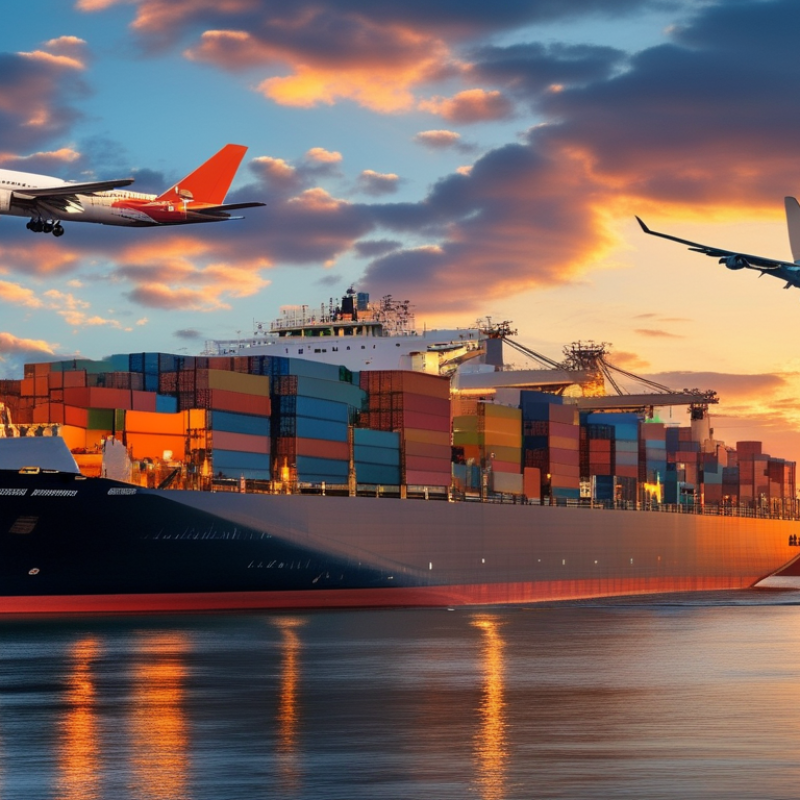
Cargo movement plays a crucial role in global trade. It refers to the transportation of goods across borders, connecting markets worldwide. The efficiency of cargo movement affects everything from pricing to supply chain reliability.
In recent years, the rise of e-commerce has increased demand for faster cargo movement. Businesses need to adapt, often struggling with logistics and infrastructure challenges. Delays in cargo movement can lead to increased costs and unhappy customers.
Understanding the mechanisms behind cargo movement is essential. Different modes of transport, such as air, sea, and land, each have unique advantages and limitations. Learning from past inefficiencies can guide improvements. Businesses must reflect on their strategies to enhance cargo movement efficiency. This reflection fosters innovation and competitive advantages in a dynamic marketplace.
Definition of Cargo Movement in Global Trade Context
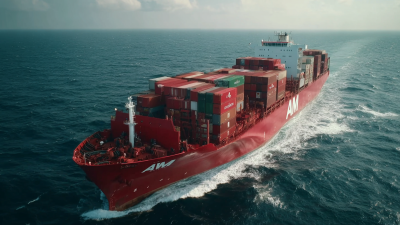
Cargo movement refers to the transportation of goods from one location to another within the global trade framework. This process includes various modes of transport, such as ships, trucks, and trains. Each mode has unique characteristics that significantly impact delivery times and costs. For instance, shipping by sea is often slower but more economical for bulk goods, while air freight may be faster but more expensive for smaller shipments.
In the context of international trade, the efficiency of cargo movement is crucial. Delays can lead to increased costs and erode profit margins. Unforeseen circumstances, like port congestion or adverse weather conditions, can disrupt schedules. These disruptions highlight the need for robust logistics planning. Effective cargo movement depends on real-time tracking and transparent communication between stakeholders.
The intricacies of cargo movement are sometimes underestimated. Many businesses might focus solely on product quality or pricing while overlooking logistics efficiency. This oversight can result in missed opportunities for cost savings and enhanced customer satisfaction. Therefore, understanding cargo movement is essential in adapting to the dynamic landscape of global trade.
Key Types of Cargo and Their Importance in Trade Networks
Cargo movement plays a vital role in global trade. It encompasses various goods transported over land, sea, and air. Understanding the types of cargo is essential for grasping their impact on trade networks.
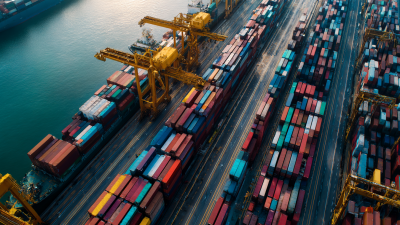
Containerized cargo represents a significant portion of international shipments. These standard-sized containers facilitate easy loading and unloading. They also simplify logistics, making shipping more efficient. Bulk cargo, like grains and minerals, is often transported in large quantities. Its handling requires specialized equipment and can lead to challenges in transportation safety.
Specialized cargo includes perishable goods such as food items. These require temperature-controlled conditions during transit. This necessity can complicate logistics and lead to increased costs. Moreover, hazardous materials pose safety risks requiring adherence to strict regulations. Balancing efficiency and safety in cargo movement remains a concern for trade networks worldwide.
Impact of Cargo Movement on Global Trade
This chart illustrates the volume of different types of cargo transported globally, highlighting their significance in trade networks. The data reflects the estimated annual cargo volume (in million tons) for the year 2022.
Factors Influencing Cargo Movement and Trade Efficiency
Cargo movement plays a vital role in global trade. Several factors impact how effectively goods are transported. Infrastructure quality, such as ports and roads, is crucial. Efficient logistics networks can significantly reduce delays. Yet, many regions still face challenges in their transport systems.
Technology also influences cargo movement. Automation and tracking enhance visibility. However, not all companies adopt these innovations. Some rely on outdated methods, hindering efficiency. Additionally, regulatory environments can complicate international shipping. Different countries impose various tariffs and restrictions. This inconsistency can lead to misunderstandings and delays.
Market demand is another critical factor. Consumer preferences shift rapidly. Companies must adapt to these changes, affecting supply chains. Poor forecasts may lead to overstock or shortages. This unpredictability often disrupts cargo movement. Other elements, like political instability and natural disasters, also pose risks. Businesses need to navigate these complexities for smoother trade operations.
Impact of Technological Advancements on Cargo Logistics
Technological advancements significantly impact cargo logistics. Automation and artificial intelligence streamline processes, reducing human error. According to a recent report by the International Maritime Organization, efficiency in cargo handling has improved by approximately 30% due to these innovations. This enhancement accelerates supply chain operations, making it easier for goods to reach markets swiftly.
Blockchain technology also plays a crucial role. It enhances transparency in shipping transactions. With real-time tracking, stakeholders can access accurate data regarding cargo movement. A study from McKinsey highlights that companies using blockchain could save up to $1.5 billion annually by reducing inefficiencies. However, the challenge lies in the integration of these technologies across different platforms.
Despite progress, challenges persist. Many logistics companies struggle with adapting to rapid changes. Their systems may not be equipped to handle new technologies. Additionally, data security concerns arise with increased digitization. Ensuring that sensitive information remains protected is vital for maintaining trust in cargo logistics. These reflections indicate that while technology has transformed the sector, careful consideration and adaptation remain essential.
Challenges and Risks Associated with Global Cargo Movement
Cargo movement plays a crucial role in global trade, but it comes with notable challenges and risks. Supply chain disruptions often arise from natural disasters, political instability, and even pandemics. The World Bank reports that logistics costs can account for up to 13% of a country’s GDP, significantly affecting economic efficiency. For instance, the COVID-19 pandemic led to a 20% increase in shipping costs globally, illustrating the fragility of the current systems.
Managing cargo movement also involves regulatory compliance, which varies by country. These regulations can delay shipments and increase costs. A report from the International Chamber of Commerce indicates that 78% of businesses face difficulties navigating these compliance issues. Inadequate infrastructure leads to bottlenecks that worsen these challenges. Many ports lack the capacity to handle large volumes, creating inefficiencies.
Consider optimizing your logistics strategy with technology. Real-time tracking can mitigate risks associated with cargo loss. Understanding the regulatory landscape can prevent unforeseen delays. Cultivating strong relationships with logistics partners enhances resilience. Always evaluate your supply chain for vulnerabilities. Continuous improvement is vital in this dynamic environment.