Why Choose Enclosed Auto Shipping for Global Vehicle Buyers?
Buying a vehicle across borders involves more than comparing freight prices. Distance, weather, handling, and paperwork can shape the ownership experience. Enclosed Auto Shipping keeps vehicles inside covered carriers, reducing exposure to rain, dust, salt, and public contact. This option suits luxury cars, collector vehicles, restored classics, and newer models with delicate finishes. It can also provide greater privacy for buyers who prefer limited public exposure. Small details matter. Door-to-door coordination, condition reports, loading photographs, and secure tie-downs create a clearer record of the vehicle’s journey. Experienced providers explain import requirements, insurance limits, port procedures, and delivery expectations before accepting a booking. They should identify exclusions instead of hiding them in dense terms. That transparency supports informed decisions.
Yet enclosed transport is not automatically the best choice for every buyer. It often costs more, and availability may be tighter during seasonal demand. A careful comparison should consider vehicle value, route conditions, delivery timing, and the carrier’s verified safety history. Ask about licensing, cargo coverage, inspection procedures, and communication during delays. Keep every document. Reliable service depends on disciplined preparation at both ends. Remove personal items, record existing marks, and confirm the receiving location’s access. International shipments may involve different customs and registration rules, so buyers should consult official authorities or qualified customs professionals. No provider can eliminate every delay. Good ones explain risks honestly and respond with evidence. This article explores why Enclosed Auto Shipping remains trusted by global vehicle buyers, while recognizing that its added protection and cost may not suit everyone.
What Is Enclosed Auto Shipping?
Enclosed auto shipping moves a vehicle inside a fully covered trailer instead of exposing it to open-road conditions. The vehicle stays shielded from rain, snow, road dust, sunlight, and flying debris. This service is often selected for classic cars, luxury vehicles, restored models, and vehicles with delicate finishes.
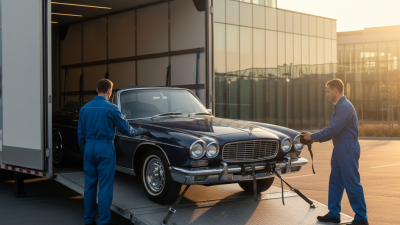
The process begins with a detailed inspection. Photographs record existing marks, tire condition, mileage, and loose parts. Trained staff usually secure the vehicle with soft straps and carefully position it inside the trailer. Hydraulic liftgates may reduce ramp angles and help protect low-clearance cars. For global buyers, the vehicle may travel enclosed to a warehouse or port before ocean transport begins.
It sounds simple, but it is not foolproof. Enclosed transport reduces exposure; it does not remove every shipping risk. Buyers should confirm insurance limits, delivery procedures, customs paperwork responsibilities, and the carrier’s inspection process. Ask whether the trailer can handle the vehicle’s height, width, and weight. Small details matter.
In practice, clear communication prevents many problems. Share alarm instructions, key locations, battery information, and special handling needs before pickup. Keep personal belongings outside the vehicle unless the shipping agreement permits them. A reliable service should provide written terms and prompt updates, even when weather or port schedules change.
How Enclosed Transport Protects Vehicles During International Transit
Why Choose Enclosed Auto Shipping for Global Vehicle Buyers?
Enclosed transport shields vehicles from rain, road salt, dust, and flying debris during international transit. This protection matters for luxury, classic, restored, and newly purchased vehicles. The vehicle travels inside a covered trailer or container, reducing exposure to harsh weather and public roads. Professional handlers use soft straps, wheel chocks, and careful loading procedures to limit movement. Photos taken before loading can document existing marks. That small step often prevents confusion later.
International shipping involves ports, transfers, inspections, and changing climates. Enclosed protection helps preserve paint, glass, interiors, and sensitive finishes through these stages. Moisture remains a concern, though. A sealed space is not automatically dry. Reliable providers should inspect ventilation, use suitable moisture controls, and explain each handoff clearly. No transport method removes every risk. That deserves honest discussion.
Tips: Clean the vehicle before inspection. Remove personal items. Check tire pressure and fluid leaks. Photograph wheels, paint, and the dashboard. Ask how the vehicle will be secured, stored, and inspected at each transfer point. Request written updates and review insurance terms carefully. Some buyers focus only on price, then regret missing small details. Careful questions may feel slow, but they create a clearer shipping record.
Which Vehicles Benefit Most from Enclosed Auto Shipping?
Enclosed auto shipping suits vehicles that need more than basic transport. Classic cars benefit greatly from protection against dust, rain, road salt, and flying debris. Their fragile paint, aged seals, and rare trim can suffer during long journeys. High-value luxury vehicles also gain privacy and reduced exposure at loading points. Limited-production cars, restored vehicles, and collector motorcycles often deserve this added care. Electric vehicles may benefit too, especially when sensitive finishes or specialized equipment require controlled handling.
Tips:
Photograph every panel before pickup. Record existing scratches. Remove loose accessories. Ask about lift-gate loading, insurance limits, and climate control. Confirm the vehicle’s height and width early. Small details matter.
In professional shipping practice, enclosed transport works best when the vehicle’s replacement cost exceeds the price difference. It is not always necessary for a durable daily driver. Open transport can be practical for standard vehicles and shorter routes. However, weather delays and uncovered exposure remain real concerns. I have seen owners focus on the shipping rate and overlook loading methods. That is an expensive mistake. No method is perfect. Enclosed service still requires a careful inspection, accurate paperwork, and clear communication between the buyer, carrier, and receiving team.
What Factors Affect Enclosed Shipping Costs and Delivery Times?
Why Choose Enclosed Auto Shipping for Global Vehicle Buyers?
Enclosed auto shipping protects valuable vehicles from rain, dust, road debris, and harsh sunlight. It suits luxury, classic, restored, and carefully maintained cars. However, protection usually costs more than open transport. The final quote depends on vehicle size, pickup location, delivery distance, and seasonal demand. A larger vehicle needs more trailer space. Remote addresses may require extra loading time and local transport. Port handling, fuel prices, insurance coverage, and customs preparation can also affect the total cost. Prices change.
Delivery times depend on route availability, port schedules, weather, and inspection procedures. A direct route may take only several days. International delivery can take several weeks. Delays sometimes happen without poor service. I have found that unclear pickup details create avoidable waiting. A narrow driveway or non-running vehicle may require special equipment. That detail should be reported early.
Tips: Request a written quote with every fee listed. Ask whether terminal storage is included. Confirm the vehicle’s dimensions, operating condition, and exact addresses. Keep photographs from pickup and delivery. They provide useful evidence. Build a small time buffer, even with an experienced carrier. My own planning mistake was trusting the shortest estimate. It looked efficient, but it left no room for port congestion. Reliable shipping requires clear documents, realistic timing, and regular communication.
How to Select a Reliable Global Enclosed Auto Transporter
For international buyers, enclosed shipping protects vehicles from dust, rain, road debris, and unnecessary exposure. However, selecting a reliable global enclosed auto transporter requires more than comparing prices. I learned this after reviewing a shipment where the vehicle arrived safely, but communication had been inconsistent. The transporter had good equipment, yet poor updates created avoidable stress.
Check the company’s operating authority, cargo insurance, and experience with international vehicle movements. Ask for written coverage limits and clarify what happens if damage occurs. A dependable transporter should explain port procedures, customs paperwork, delivery duties, and required vehicle documents in plain language. Vague answers are warning signs. So are unusually low quotes.
Inspect the transport equipment before booking. Enclosed trailers should have secure tie-down systems, protective padding, climate considerations, and enough clearance for the vehicle. Request condition reports with timestamped photos at pickup and delivery. Confirm the exact collection address, destination port, estimated schedule, storage charges, and emergency contact method. Real-time tracking is useful, but it cannot replace human communication. Ask how often updates are provided.
Experience matters here. A transporter familiar with different ports can identify missing paperwork before delays occur. Still, no schedule is guaranteed. Weather, inspections, and port congestion can change delivery dates. I would now leave extra time, even when the quoted estimate sounds precise. Reliability is shown through clear documents, careful handling, honest limitations, and consistent responses when plans change.