What is the Best Vehicle Shipping Estimate Method?
When deciding how to ship your vehicle, getting an accurate Vehicle Shipping Estimate is crucial. Many factors impact this estimate, including distance, vehicle weight, and transport method. Understanding these variables can enhance your shipping experience.
Experts recommend obtaining multiple quotes from different shipping companies. This allows for a clearer picture of the price range. It's essential, however, to verify the credibility of the companies. An unreliable service can lead to unexpected costs or delays.
Some customers might rush through the estimate process, leading to mistakes. This can cause frustration and higher expenses down the line. Taking the time to research and ask questions is key. A detailed Vehicle Shipping Estimate reflects a company’s transparency and reliability. By being informed, you can make better choices for your vehicle transportation needs.
Factors Influencing Vehicle Shipping Costs: A Comprehensive Overview
When it comes to vehicle shipping, understanding the factors that influence costs is essential. Various elements affect the overall price. The type of vehicle is significant. Larger and heavier vehicles often incur higher fees. Additionally, the shipping distance plays a crucial role. Longer routes typically lead to elevated costs.
Seasonality can also impact shipping prices. Demand often rises during peak seasons, driving up rates. Another factor is the method of shipping chosen. Enclosed transport generally costs more than open transport due to increased protection. Moreover, your vehicle's condition matters; operable cars may cost less to transport than inoperable ones.
Lastly, consider the location's accessibility. Remote areas can lead to extra charges. The time frame for shipping can be another variable. Urgent shipments may attract higher fees. Awareness of these factors will aid in obtaining a more accurate estimate. However, some cost components could remain uncertain, requiring flexibility in your budget.
Common Vehicle Shipping Estimate Methods: Pros and Cons
When considering vehicle shipping, various estimation methods come into play. Each has its pros and cons. A popular method is online quote calculators. They are quick and user-friendly. However, these estimates can lack accuracy. Factors like vehicle size, distance, and timing can skew the numbers.
Another method involves contacting shipping companies directly. This approach yields detailed quotes tailored to specific needs. You can ask questions and clarify services. Still, it may require more time and effort. Not all companies provide transparent pricing. Hidden fees may lurk in the fine print.
Tips: Always compare multiple estimates to gain a clearer picture. Don't hesitate to discuss your unique shipping requirements. Additionally, research the shipping company's reputation. Look for reviews and testimonials. A bit of effort can prevent unwanted surprises later on.
Understanding the Role of Distance in Shipping Estimate Accuracy
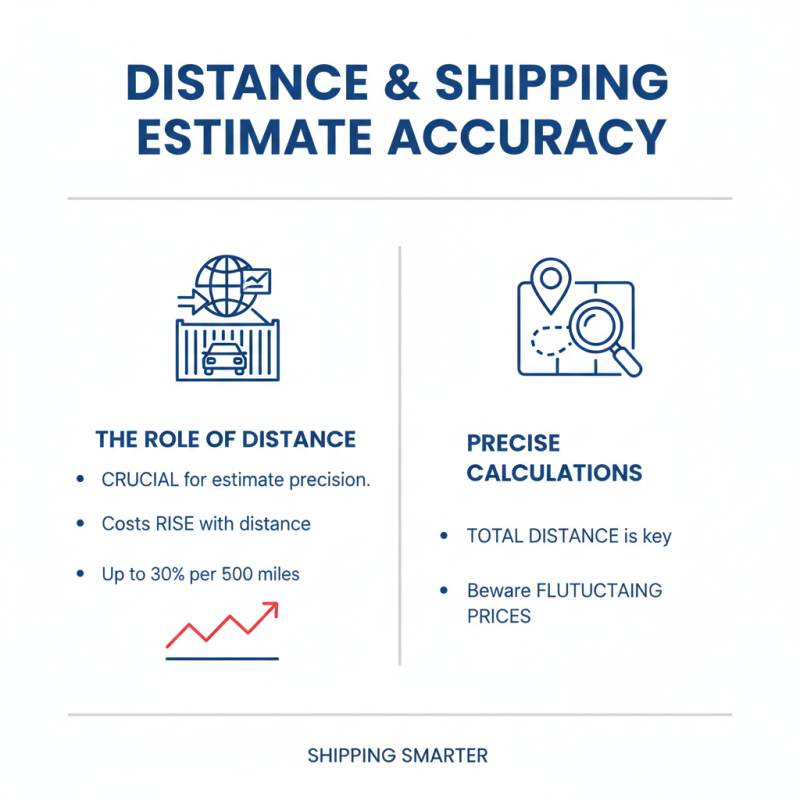
When it comes to vehicle shipping, distance plays a crucial role in determining the accuracy of estimates. Research indicates that shipping costs can rise by as much as 30% per additional 500 miles. This trend emphasizes the need for precise calculations based on the total distance. Many companies claim to offer competitive estimates, yet the fine print often reveals fluctuating prices based on distance coverage.
Understanding how distance affects shipping estimates is essential. For instance, a recent report from the Vehicle Transport Association noted that shipments over long distances are typically more complicated. Factors such as fuel costs and regional pricing variances can impact the final cost. In practical terms, shipping a vehicle from New York to California will differ greatly in cost compared to a similar shipment within a state.
In practice, many consumers overlook local regulations. These can unintentionally inflate overall shipping fees. Without a thorough review of these rules, estimated costs can mislead customers. Users should always verify distances and regulations before booking their transport. The responsibility lies in obtaining accurate information about shipping routes, modes, and potential delays due to distance.
Evaluating the Impact of Vehicle Type on Shipping Quotes
When evaluating vehicle shipping quotes, the type of vehicle plays a crucial role. Different vehicles come with varying dimensions, weights, and values, which directly impact shipping costs. For instance, smaller sedans typically cost less to ship than larger SUVs or trucks.
According to a 2023 industry report, shipping a standard sedan averages around $800, while transporting an oversized vehicle can reach upwards of $1,500.
Additionally, the vehicle's condition affects shipping estimates. A non-operational car may require special handling, resulting in higher costs. Factors such as modifications or custom paints can also lead to increased shipper evaluations since they affect the vehicle's fragility during transport.
Over 30% of shippers reported adjusting quotes based on these vehicle features.
Transport distance is another key element. Long-distance shipments often mean higher costs, especially for larger vehicles. A recent study highlighted that vehicles shipped over 1,000 miles incur a price increase of 25% compared to shorter trips.
This data emphasizes the importance of a thorough evaluation of vehicle type when seeking shipping estimates, particularly for those with unique specifications or conditions.
Using Industry Standards for Reliable Vehicle Shipping Estimates
When determining the best vehicle shipping estimate method, it's crucial to rely on industry standards. Accurate estimates often stem from considering key factors like distance, vehicle size, and transportation type. According to the American Moving and Storage Association, long-distance vehicle shipping costs can range between $600 and $1,200. This range reflects the complexities involved in the transport process.
Moreover, the nature of the vehicle affects pricing. For example, shipping a standard sedan typically costs less than shipping a larger SUV or truck. The National Vehicle Transportation Association provides data showing that specialized transport modes can add up to 30% more to shipping costs. Additionally, seasonal demand influences prices; rates can spike during peak times like summer and holidays.
It's essential to remember that not all estimates are set in stone. Factors like unexpected delays can alter initial quotes. Many companies offer online calculators, but these tools may not account for every variable. Nuances in vehicle condition, delivery urgency, and regional regulations often complicate the pricing landscape. It's wise to request multiple quotes and dig deeper into individual carrier reliability and reputation.