Why Choose Plane Freight for Global Shipping?
Global shipping is no longer judged by distance alone. Speed, predictability, cargo protection, and data visibility now shape purchasing decisions. Plane Freight offers a practical answer when products are valuable, time-sensitive, or difficult to replace. A medical device, replacement turbine part, or seasonal fashion launch may lose more value through delay than through transport cost.
Industry data supports this choice. The International Air Transport Association reported that global air cargo demand increased by 11.3% in 2024, measured in cargo tonne-kilometres. International demand grew even faster, rising 12.2% during the same period. IATA also notes that air freight carries more than 35% of global trade by value, despite representing less than 1% by volume. These figures explain its role in high-value supply chains. Speed matters.
Plane Freight can shorten transit from weeks to days, depending on routing, customs clearance, and airport handling. DHL’s Global Connectedness Report 2024 also highlights the continuing importance of reliable international networks for trade resilience. In practice, this means fewer days of inventory waiting beside a loading dock and faster replenishment after an unexpected sales spike.
Yet air transport is not automatically the best solution. It usually costs more and produces higher emissions than ocean freight. Fuel surcharges, airport congestion, dimensional weight, and missed documentation can reduce its advantage. That is where professional planning matters: compare total landed cost, verify packaging limits, map transfer points, and select services with trackable milestones. The decision deserves scrutiny. Fast is useful, but reliable and commercially justified is better.
What Plane Freight Means in Global Shipping
Why Choose Plane Freight for Global Shipping?
What Plane Freight Means in Global Shipping
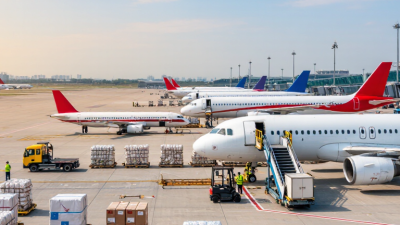
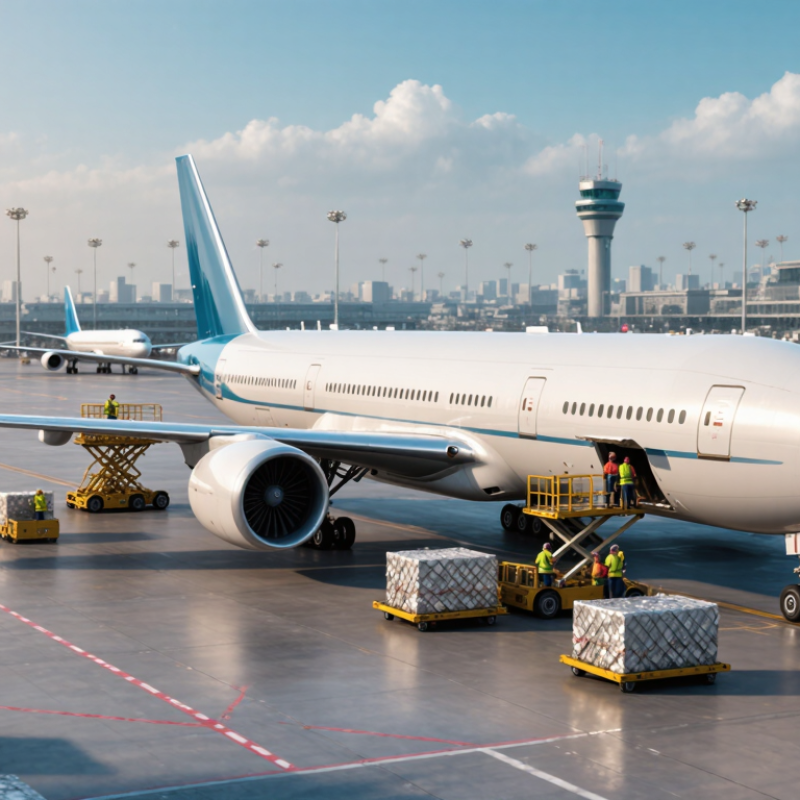
Plane freight is the movement of commercial cargo by aircraft between airports. It supports international supply chains when speed, distance, and delivery consistency matter. Typical shipments include medical equipment, seasonal products, samples, and urgent replacement parts.
In practical shipping work, air cargo begins with accurate packing, weighing, labeling, and documentation. The freight then moves through security checks, airport handling, customs procedures, and final delivery. Each stage affects timing. A small error in the declared weight can delay acceptance. Poor packaging can also cause damage during repeated handling.
Plane freight is usually faster than ocean or road transport, but it costs more. It may also face capacity limits, weather disruption, and strict rules for certain materials. I have found that speed alone does not make it the best choice. A shipment with flexible timing may not justify the higher cost. That judgment can be uncomfortable, but it prevents waste.
Tips: Compare total delivery cost, not only the freight rate. Confirm package dimensions before booking. Use strong, lightweight materials. Check destination requirements early. Leave room for customs review. Even experienced teams miss details sometimes.
How the Plane Freight Process Works
Why Choose Plane Freight for Global Shipping?
Plane freight begins with a shipment profile, not a flight booking. The forwarder checks weight, dimensions, destination, delivery deadline, and cargo classification. Accurate details matter. A single wrong measurement can change the chargeable weight and routing.
The process then moves through several controlled steps. The shipper prepares a commercial invoice, packing list, and transport instructions. At the origin terminal, staff verify the package, inspect its condition, and complete security screening. Cargo may join other shipments inside a unit load device before departure.
The International Air Transport Association reported that global air cargo demand grew 11.3% in 2024, showing strong pressure on available capacity. Space should be reserved early.
After takeoff, tracking records key handling events, although updates may not appear continuously. At arrival, customs reviews the documents and assesses duties when required. Clearance releases the shipment for local delivery, where the final carrier checks the address and obtains proof of receipt.
The World Bank’s 2023 Logistics Performance Index highlights customs, infrastructure, tracking, and timeliness as core logistics measures.
These factors explain why air freight needs coordination beyond speed. It is fast, but never effortless.
Some delays still occur. Weather, airport congestion, incomplete paperwork, or a late handover can interrupt the plan. Good operators review these weak points before cargo leaves the warehouse.
Key Benefits of Choosing Plane Freight
Plane freight offers a practical answer when international shipments must move quickly across long distances. Delivery can often take days rather than weeks, helping businesses respond to seasonal demand, urgent orders, and changing customer needs. In real operations, this speed can reduce warehouse waiting time and protect products with limited shelf life. It also creates clearer planning windows for production teams and overseas buyers.
Reliability is another key benefit of choosing plane freight. Scheduled departures, digital tracking, and documented handling procedures make shipment progress easier to monitor. A logistics specialist can review cargo dimensions, route availability, customs documents, and delivery deadlines before booking. Smaller, lighter shipments may also benefit from faster handling at major transport hubs. Careful packaging remains essential, especially for fragile items exposed to repeated loading and unloading.
Plane freight is not always the cheapest option. Fuel costs, airport fees, and dimensional weight can increase the final price, sometimes more than expected. That is where professional advice matters. A good shipping plan compares urgency, cargo value, storage costs, and transport risks instead of choosing speed automatically. Mistakes still happen. An incomplete document or inaccurate measurement can delay a shipment, despite careful preparation. Clear records, realistic delivery promises, and regular status checks support a more dependable global shipping process.
When Plane Freight Is the Best Shipping Option
Why Choose Plane Freight for Global Shipping?
Plane freight is often the best option when delivery time directly affects revenue, production, or customer trust. It can move urgent cargo between continents within days, rather than weeks by ocean transport. Speed matters. Medical equipment, seasonal products, replacement parts, and temperature-sensitive goods may justify the higher cost.
The strongest choice begins with a practical calculation. Compare freight charges, dimensional weight, handling fees, customs duties, and possible storage costs. A small shipment weighing 80 kilograms may still occupy significant aircraft space because of its packaging. Accurate dimensions prevent unpleasant billing surprises. Clear invoices, commercial documents, product classifications, and permits also support smoother customs processing.
Plane freight works well when inventory shortages could stop a factory or empty a retail shelf. It also suits high-value goods that require shorter transit exposure and careful tracking. Secure packaging remains essential, even during fast transport. A rushed shipment can still arrive damaged if cartons lack internal protection. That is an easy mistake to underestimate.
However, air transport is not automatically the smartest answer. Lower-value goods with flexible delivery dates may absorb the extra cost poorly. Weather disruptions, capacity limits, and customs inspections can also affect schedules. In real planning, the fastest route sometimes fails because documents were prepared too late. A reliable decision weighs urgency, cargo characteristics, destination rules, and the business impact of delay.