
Choosing among the top Plane Freight companies requires more than comparing advertised prices. Global buyers need dependable schedules, transparent surcharges, and proven handling standards. A carrier may offer a low quotation, yet weak airport connections can create costly delays. That difference matters when products are time-sensitive, fragile, or tied to strict delivery windows.
This guide examines leading Plane Freight providers through practical buying criteria. These include international route coverage, customs-document support, shipment visibility, cargo security, and claims management. Reliable companies should explain their service limits clearly. They should also provide responsive communication when weather, congestion, or capacity shortages affect a shipment. Small details matter. A real-time tracking update can prevent a warehouse shutdown or missed retail launch.
Performance evidence is more valuable than polished marketing. Buyers should review transit records, customer feedback, insurance terms, and service-level commitments before selecting a partner. Independent certifications and transparent compliance procedures can also indicate professional operational control. However, no provider performs perfectly on every route. A company with excellent Asia-Europe coverage may offer fewer options in smaller African or Latin American markets.
This comparison is designed to support careful decisions, not promote one universal winner. Costs change. Capacity changes faster. The best choice depends on cargo type, destination, urgency, and risk tolerance. Buyers should verify current quotations and operating conditions directly with each provider. Even experienced teams can overlook regional restrictions or hidden handling fees. A thoughtful review reduces those surprises.
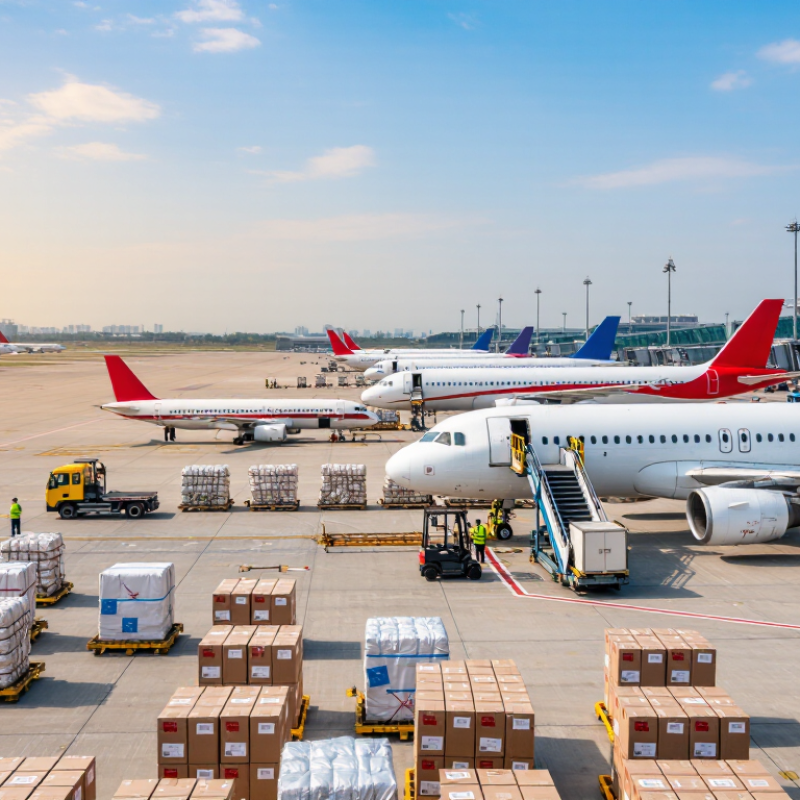
For global buyers, a suitable plane freight company does more than move cartons quickly. It must understand export documents, import rules, product classifications, and airport handling procedures. A reliable provider explains these steps before pickup, not after a shipment is delayed. Ask how staff verify invoices, packing lists, and consignee details. Small errors can stop a pallet at a busy hub for days. Clear answers matter.
Operational experience appears in practical details. Can the company arrange temperature controls when needed? Does it offer secure consolidation, accurate weight checks, and flight alternatives during capacity shortages? A useful tracking system should show pickup time, airport scans, customs status, and final delivery. Real support matters too. One reachable specialist is better than a generic mailbox. Request recent performance data, such as on-time rates, damage records, and claim response times. Numbers need context, but silence is worse.
Global buyers should also examine financial and regulatory reliability. The provider should hold appropriate licenses, use documented security procedures, and explain liability limits in plain language. Written quotes must separate freight, fuel adjustments, handling, storage, and destination charges. No provider is perfect. I would question promises of instant delivery everywhere, because weather, inspections, and aircraft changes remain real risks. A strong company reports problems early and offers workable choices. That honesty protects purchasing schedules, warehouse labor, and customer trust.
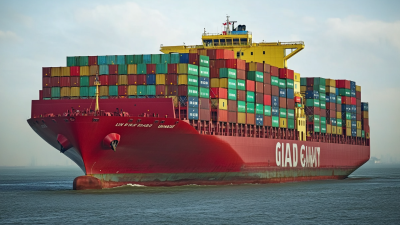
International air freight begins with accurate cargo information. Buyers provide the origin, destination, dimensions, weight, product description, and preferred delivery date. An experienced freight company checks routing options, aircraft space, handling needs, and required export documents. Small errors here can change the price or delay departure.
The booking becomes confirmed after the carrier accepts the shipment and issues transport instructions. Cargo is then collected or delivered to the departure terminal. Staff measure the packages again, inspect labels, and prepare the air waybill. Tracking usually shows key events, such as acceptance, departure, transfer, and arrival. However, tracking updates may appear late. That gap can be frustrating.
At destination, the shipment enters import clearance. The buyer or appointed agent submits commercial documents and pays applicable charges. Authorities may request additional information before release. Once cleared, the cargo moves to a local delivery vehicle. Careful providers check delivery addresses and contact details before dispatch. A practical review should examine transit history, communication speed, damage procedures, and document accuracy, not only the advertised rate. The cheapest quote can hide terminal fees or limited support. Temperature-sensitive or fragile goods may also require special packaging and handling instructions. Planning needs room for weather, congestion, and missed connections. Perfect timing is rare.
Top Plane Freight Companies for Global Buyers?
Key Factors for Comparing Global Plane Freight Companies
Comparing plane freight companies requires more than checking the lowest quoted rate. Ask how each provider calculates fuel fees, security charges, handling costs, and destination taxes. A clear quote should show chargeable weight, transit time, routing, and delivery terms. Vague pricing creates expensive surprises.
Experience matters at the airport. A capable provider should explain cut-off times, cargo acceptance rules, pallet dimensions, and temperature controls when needed. Request recent performance data, such as on-time departures, damage rates, and claims response times. References from similar industries can reveal details that sales materials often hide. Small details matter.
Reliability also depends on communication. Check whether tracking updates show physical scan events or simple status labels. Ask who handles delays, customs questions, and damaged packaging. Written procedures for documentation and lawful cargo screening show professional control. However, no scorecard is perfect. Weather, congestion, and aircraft changes can disrupt even strong schedules. I would compare several shipments, not one successful delivery, before choosing a long-term partner. A provider that admits limitations may be more trustworthy than one promising flawless service.
| Comparison Dimension | Profile A Global Integrator |
Profile B Multimodal Forwarder |
Profile C Scheduled Cargo Carrier |
Profile D Regional Specialist |
Profile E Charter Operator |
|---|---|---|---|---|---|
| Primary Service Model | Door-to-door express delivery with integrated pickup, customs, air transport and final delivery. | Multi-carrier freight management using air, ocean, rail and road options. | Airport-to-airport transport through scheduled cargo capacity. | Focused coverage within selected regions and trade lanes. | Dedicated aircraft arranged for urgent, oversized or exceptional shipments. |
| Typical Transit Speed | 1–3 business days for major international express lanes. | 3–7 business days, depending on consolidation and customs clearance. | 2–6 business days between primary cargo airports, excluding local delivery. | 1–5 business days within established regional corridors. | Can be arranged within hours to several days, subject to aircraft availability and permits. |
| Best Shipment Size | Documents, parcels and consignments generally below 300 kg per shipment. | Small parcels through full-container-equivalent project movements. | Commercial cargo from consolidated freight to several tonnes per shipment. | Small and medium consignments, commonly below 5 tonnes per shipment. | Large, high-value, dangerous, oversized or time-critical cargo. |
| Global Coverage | Very High Extensive integrated network with major hub connections. |
Very High Broad geographic reach through owned offices and partner networks. |
High Strong coverage on scheduled routes; connection quality varies by airport. |
Medium Deep local coverage but fewer direct intercontinental options. |
Variable Potentially global, depending on aircraft positioning and operating permissions. |
| Rate Structure | Published or contracted rates with fuel, residential, remote-area and handling surcharges. | Quoted freight rate plus origin, destination, customs and documentation charges. | Rate commonly based on chargeable weight, route, commodity and available capacity. | Competitive lane-based pricing with possible minimum-charge rules. | Aircraft, crew, positioning, fuel, airport and permit costs are usually quoted separately or as a package. |
| Weight Calculation | Normally uses the greater of actual weight and volumetric weight. | Uses chargeable weight rules that may differ by carrier and transport mode. | Normally compares gross weight with volumetric weight; air-cargo dimensional factors are commonly used. | Usually applies standard airline chargeable-weight formulas. | Often priced by aircraft capacity, payload, volume, route and operating requirements. |
| Customs Support | Strong Integrated electronic shipment data and customs brokerage options. |
Strong Brokerage can be coordinated across multiple countries and transport modes. |
Medium Usually relies on the shipper, consignee or appointed customs broker. |
Medium to Strong Depends on local licensing and destination-country capability. |
Specialized Requires advance review for permits, restricted goods and special documentation. |
| Shipment Visibility | Frequent milestone scans, online tracking and exception notifications. | Integrated tracking is available, but update frequency may vary by subcontractor. | Tracking generally covers booking, airport acceptance, flight departure and arrival. | Usually provides standard milestone tracking on core routes. | Often uses manual operational updates, flight-position information and milestone reporting. |
| Schedule Reliability | High Dense network frequency reduces dependence on one flight. |
Medium to High Resilience depends on routing choices and available carrier alternatives. |
Medium to High Strong on regular routes but affected by capacity changes and cancellations. |
Medium Reliable on established lanes with fewer backup options. |
Variable Highly dependent on aircraft, crew, weather and regulatory availability. |
| Special Cargo Capability | Commonly supports dangerous goods, perishables, healthcare and high-value parcels subject to acceptance rules. | Can arrange temperature-controlled, dangerous, oversized and project cargo through qualified partners. | Supports specialized cargo if the airline, aircraft type and handling station are approved for it. | Capability depends on local facilities, equipment and trained handling personnel. | Best suited to oversized, military, relief, emergency and project cargo subject to strict approvals. |
| Sustainability Information | May provide shipment-emission estimates, sustainable aviation fuel options or carbon-reporting tools. | Can compare transport-mode emissions and consolidate shipments to improve utilization. | Emissions depend on aircraft type, load factor, route length and fuel efficiency. | Shorter regional routes may reduce distance, but aircraft utilization remains decisive. | Dedicated flights can produce high emissions per shipment unless payload utilization is high. |
| Recommended Buyer | Buyers prioritizing speed, standardized processes and door-to-door convenience. | Buyers needing flexible routing, multimodal alternatives and centralized logistics management. | Buyers with regular airport-based cargo and predictable international lanes. | Buyers seeking local expertise and competitive service in specific regions. | Buyers handling urgent, oversized, high-value or operationally critical cargo. |
| Key Due-Diligence Questions | What are the guaranteed delivery conditions, surcharge rules and remote-area restrictions? | Which transport partners handle each leg, and who is responsible for delays or claims? | What flight frequency, cut-off time, capacity commitment and airport handling standards apply? | Which countries are served directly, and where are third-party agents used? | What aircraft, permits, insurance, contingency plan and total landed cost are included? |
| Benchmark note: The figures and service descriptions represent common air-freight operating ranges and procurement criteria. Actual transit times, charges, capacity, coverage and acceptance conditions vary by origin, destination, commodity, season, aircraft availability and customs requirements. | |||||
Global buyers should evaluate air freight companies by route depth, handling quality, and schedule reliability. IATA reported that global air cargo demand increased 11.3% in 2024, while capacity grew 7.4%. This growth has tightened space on major Asia–North America and Asia–Europe corridors. Direct flights usually reduce handling risk. However, one-stop services may offer better pricing and wider airport coverage.
Service types should match the shipment’s urgency and physical needs. Airport-to-airport freight suits experienced importers with local customs support. Door-to-door service simplifies delivery for smaller purchasing teams. Consolidation can lower costs for several cartons, but it may add transfer time. For a 500-kilogram pallet, buyers should compare cutoff times, weekly frequency, and confirmed capacity. Small details matter.
Cargo options include general freight, temperature-controlled goods, oversized equipment, and high-value consignments requiring stronger monitoring. The International Air Transport Association’s 2024 market data showed continued strength in international cargo demand, especially across Asia-Pacific lanes. Temperature-sensitive shipments may need a documented 2–8°C range, insulated packaging, and recovery procedures for delays. A route map can mislead. In practice, airport congestion and warehouse handoffs sometimes matter more than flight distance. Buyers should request performance records, cargo acceptance rules, insurance terms, and shipment-level tracking before choosing a provider. No option is perfect.
Approximate great-circle distance between major international cargo hubs. Longer routes typically require more complex capacity planning, while service selection depends on urgency, cargo value, dimensions, and handling requirements.
Express and priority services are commonly used for time-sensitive shipments such as electronics, medical products, and urgent spare parts. Deferred air freight is more suitable for planned replenishment and cost-sensitive cargo. Oversized machinery, dangerous goods, perishables, and temperature-controlled products may require specialized handling or charter capacity. Actual transit time also varies with customs clearance, airport schedules, security procedures, and local delivery.
Selecting a reliable plane freight partner requires more than comparing quoted rates. The 2024 IATA Air Cargo Market Analysis reported an 11.3% rise in global cargo demand, while capacity grew 7.4%. This pressure can create delays, especially during seasonal peaks. Ask whether the forwarder has secured space agreements, alternative routings, and trained staff at both origin and destination. Ask for proof.
Request a shipment plan showing cutoff times, flight connections, airport handling, customs document checks, and delivery milestones. The World Bank’s Logistics Performance Index 2023 highlights tracking, tracing, and timeliness as important logistics capabilities. A dependable partner should provide live status updates, clear escalation contacts, and written explanations when schedules change. One vague email is not enough.
Test the service with a small, non-urgent shipment before moving valuable cargo. Check whether the airway bill matches the quotation and whether fees are explained before booking. Temperature-sensitive or oversized freight needs documented handling procedures, not verbal promises. Insurance limits also deserve careful review. Experience has taught many buyers that the cheapest route may become expensive after storage, rebooking, or missed production deadlines. Still, no partner avoids every disruption. Judge how openly they report problems and how quickly they offer workable alternatives.