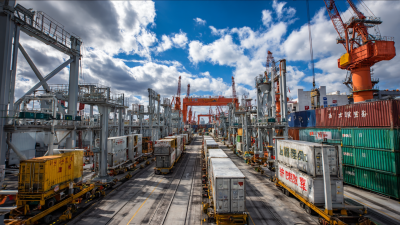
Choosing a Cargo Shipping company is not simply a rate comparison. Global buyers also need dependable schedules, clear communication, suitable cargo handling, and useful shipment tracking. A low quote can lose its appeal when a container misses a connection or arrival updates arrive late. Small details matter.
Maritime economist Martin Stopford has described shipping as “a derived demand,” reflecting its close connection to the movement of goods and trade. That perspective helps explain why carrier choice depends on the shipment, not just the company name. A buyer moving regular container loads may value predictable port calls, while a business shipping urgent, smaller consignments may need a different service. No single carrier fits every route.
This guide to the top 10 cargo shipping companies gives global buyers a practical starting point. It considers network reach, service options, reliability indicators, digital tools, and customer support. Buyers should also check which services apply to their specific origin, destination, and cargo requirements. Details vary. Published schedules and transit estimates are useful, but they cannot promise that every shipment will arrive exactly as planned. A comparison can miss local service differences, and that is worth admitting. Use the list to shape questions, then confirm current terms directly with each provider before booking.

Global cargo shipping companies support international trade by connecting vessel capacity, port handling, customs coordination, and inland transport. UNCTAD’s Review of Maritime Transport 2024 reports that more than 80% of world trade by volume moves by sea. That makes reliable coordination essential.
Shipping providers help buyers choose routes, combine transport modes, prepare shipment documents, and track cargo between ports. At booking, clear information about cut-off times, container availability, and estimated arrival dates can prevent avoidable delays. Small errors matter.
The World Bank’s Logistics Performance Index 2023 found that an international shipment journey averaged 44 days, with about 10 days of variation. Providers can reduce uncertainty through milestone updates and early warnings when port congestion or weather disrupts schedules. Not always.
Buyers should compare more than quoted freight rates: transit-time reliability, cargo visibility, and support when plans change all affect the final cost. The weak spot is often the handoff between transport stages, which is easy to underestimate. A missed connection may leave a container waiting while storage charges accumulate.
Better communication helps, but no schedule is immune to disruption. A useful shipping partner explains trade-offs plainly and gives buyers enough detail to make informed decisions.

A credible ranking starts with evidence, not advertising claims. Global reach alone is a weak signal. Compare service on the specific trade lanes buyers use, including port coverage, sailing frequency, and available equipment. A weekly departure may suit planned inventory, while urgent shipments need more frequent options. That matters.
Reliability should carry substantial weight. Review on-time arrival data, schedule changes, and how clearly delays are communicated. Assess tracking tools by whether they provide useful milestones, not just a moving dot on a map. Compare the full quoted cost, including surcharges and handling fees, against the final invoice. Fast replies help. So does accurate paperwork.
Cargo care and problem resolution deserve equal scrutiny. Look for documented procedures for damage reports, claims, and shipment updates, then check whether customers describe consistent follow-through. Use recent shipment records and interviews where possible, and compare similar routes and cargo types. A ranking based on one customer’s experience can mislead. Public data also has gaps, and published performance may not reflect every season or port. Be transparent about those limits, and revisit scores when evidence changes.
UNCTAD’s Review of Maritime Transport 2024 estimates that shipping carries over 80% of global trade by volume. It also reports 858.9 million TEUs handled by container ports in 2023. These figures show why buyers should compare service fit, not just headline rates.
These ten profiles highlight different strengths, not a verified ranking. A global-network carrier connects major trade lanes; an Asia–Europe operator focuses on long-haul capacity; a transpacific carrier emphasizes regular sailings. A reefer specialist handles temperature-sensitive cargo, while a project-cargo provider plans lifts for oversized equipment. A regional feeder links smaller ports; a vehicle carrier uses roll-on, roll-off vessels. An integrated logistics operator coordinates sea and inland transport. A digital-first carrier offers shipment visibility, while a lower-carbon fleet investor works to reduce voyage emissions. Capabilities vary by route and season, and a polished tracking screen cannot prevent every delay.
Tips: Ask for recent schedule reliability on your exact lane, local port coverage, and written details of accessorial charges. Compare like with like. A cheaper quote may omit inland delivery or equipment availability. I would also check whether the promised sailing frequency matches actual departures; published schedules can look more dependable than real operations.
A useful comparison of cargo shipping companies starts with the routes they actually serve, not the size of their network map. Check whether a shipment can travel directly or needs a transfer at another port. Direct routes may reduce handling, while transshipment can offer access to more destinations. Neither option is always better. Port frequency, available vessel space, and inland connections matter too. A port may appear close on a map, yet trucking the final 200 kilometers can add time and cost.
Tips: Ask for the full route, including transfer ports and final delivery arrangements. Compare quoted transit times with the service schedule, and confirm how often departures run. Keep the answers in writing.
Services can differ beyond ocean transport. Some providers coordinate customs paperwork, container pickup, or warehouse delivery; others focus on port-to-port moves. Confirm which tasks are included, who handles exceptions, and what updates you will receive if a sailing changes. Coverage claims deserve a closer look as well: seasonal routes and limited local agents can affect service in practice. Comparisons are imperfect, and a published schedule is not a guarantee. Choose based on your cargo’s route, timing, and support needs—not a broad coverage claim alone.
Choosing a cargo shipping partner starts with your actual lane, not a polished global map. Ask for recent transit-time ranges, missed-sailing rates, and port-level references for both origin and destination. Request a sample quote that separates freight, handling, documentation, and likely surcharges. Small details matter. Can the team explain who updates you when a container is rolled, and when you will hear from them? The World Bank’s 2023 Logistics Performance Index compares 139 economies across six areas, including tracking and timeliness. Use it as context, not proof of a provider’s performance on your specific route.
Capacity and disruption plans deserve equal weight. UNCTAD’s Review of Maritime Transport 2024 reports that maritime trade grew 2.4% in 2023, while forecasting 2% growth for 2024. In a changing market, ask how the provider handles schedule changes, transshipment, and peak-season space. Check whether tracking shows meaningful events—gate-in, loading, departure, and arrival—or only a broad status label. Compare claims with a recent shipment record, then clarify insurance limits, claims steps, and response hours in writing. Even forecasts can miss. Buyers sometimes compare headline rates but underweight communication during delays. Test the service with one suitable shipment before committing, if cost and timing allow.
Annual container throughput offers a useful snapshot of major global shipping hubs when comparing a cargo partner’s network coverage.
Throughput is measured in million TEU (twenty-foot equivalent units); figures are rounded. Port scale alone does not indicate a shipping partner’s service quality—also assess route availability, transit time, schedule reliability, and total cost. Source: 2023 port authority and port operator annual reports.