Top Cargo Forwarding Services for Global Buyers in China
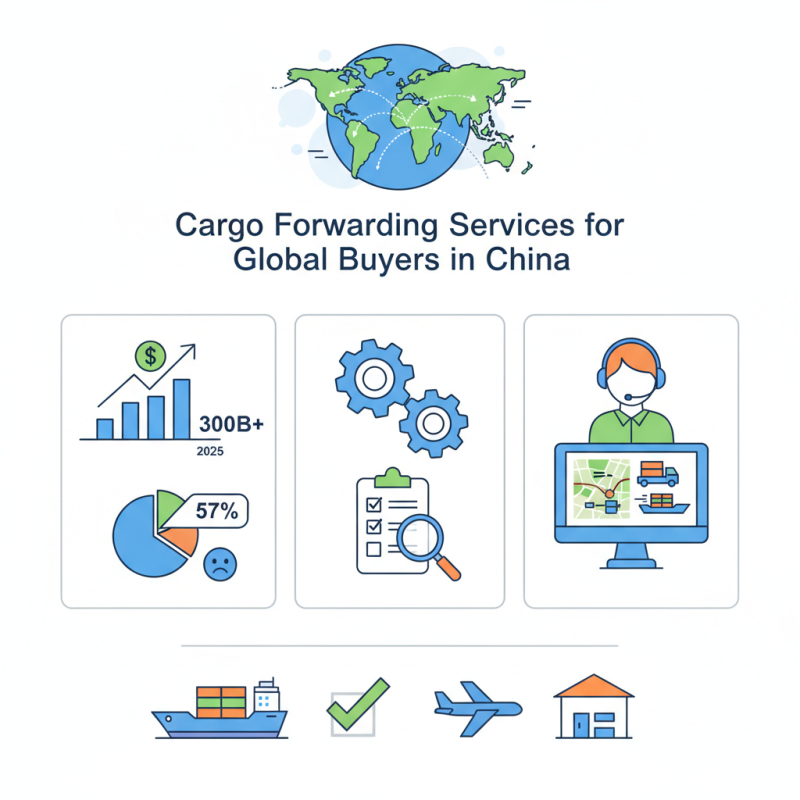
In the evolving landscape of international trade, "Cargo Forwarding Services" have become pivotal for global buyers operating in China. According to a recent report by Statista, the global freight forwarding market is projected to reach over $300 billion by 2025. This growth underscores the increasing demand for efficient logistics solutions in a highly interconnected world.
However, selecting the right service provider is often challenging. Not all forwarding companies offer the same level of expertise. Reliability and trustworthiness vary significantly across the industry. Some providers struggle to meet the unique needs of diverse markets. Insights from Logistics Management suggest that only 57% of businesses are satisfied with their current logistics partners. Quality control and streamlined processes often remain inadequate.
Choosing a cargo forwarding partner requires thorough research. Buyers should prioritize industry experience and proven success metrics. Many companies overlook the importance of customer support and real-time tracking capabilities. As competition intensifies, buyers must critically evaluate potential partners to ensure seamless delivery and compliance.
Overview of Cargo Forwarding Services in China
Cargo forwarding in China plays a vital role in global trade. According to a 2022 report from the International Air Transport Association, the air freight market is expected to grow by 4.3% annually. China is a significant hub, handling large volumes of exports. The country's extensive logistics network is crucial for timely deliveries. This network includes airports, seaports, and highways.
However, challenges persist. Congestion at ports can delay shipments. The increasing demand for e-commerce is straining logistics capacities. A study from the World Bank highlighted that infrastructure investment in logistics could improve efficiency by 25%. Despite these hurdles, many companies find innovative solutions to streamline operations. Collaboration with local freight forwarders often leads to better routes and reduced costs.
Moreover, flexibility is key in cargo forwarding. Seasonal fluctuations in demand can disrupt planning. A survey revealed that 60% of logistics firms face unpredictable delays. This underlines the necessity for companies to adapt and innovate. Understanding local regulations is essential for compliance and efficiency. Working with experts can mitigate risks associated with these challenges.
Top Cargo Forwarding Services Overview
This chart represents the volume of cargo transported through various forwarding services in China, illustrating the distribution of cargo movement across different modalities. Air freight leads in volume, followed by sea and road freight, reflecting global buying trends.
Key Features of Reliable Cargo Forwarding Companies
Cargo forwarding is crucial for global buyers in China. Reliable companies provide essential services to navigate complex logistics. They ensure timely delivery and manage various transportation modes, including air, sea, and rail. Buyers need to know a few key features when choosing a forwarding partner.
A transparent pricing structure is vital for decision-making. Hidden fees can lead to unexpected costs. Communication is also important. Companies should provide regular updates during transit. Friendly customer support can make all the difference. However, not all companies excel in these areas, leading to frustration.
Another feature to consider is customs compliance. Forwarders must understand regulations and facilitate smooth clearance. Experience in handling documentation is essential. A lack of expertise here can cause significant delays. Buyers should look for testimonials and reviews to gauge performance. In a competitive market, finding a reliable partner requires careful evaluation.
Top Cargo Forwarding Providers for Global Buyers
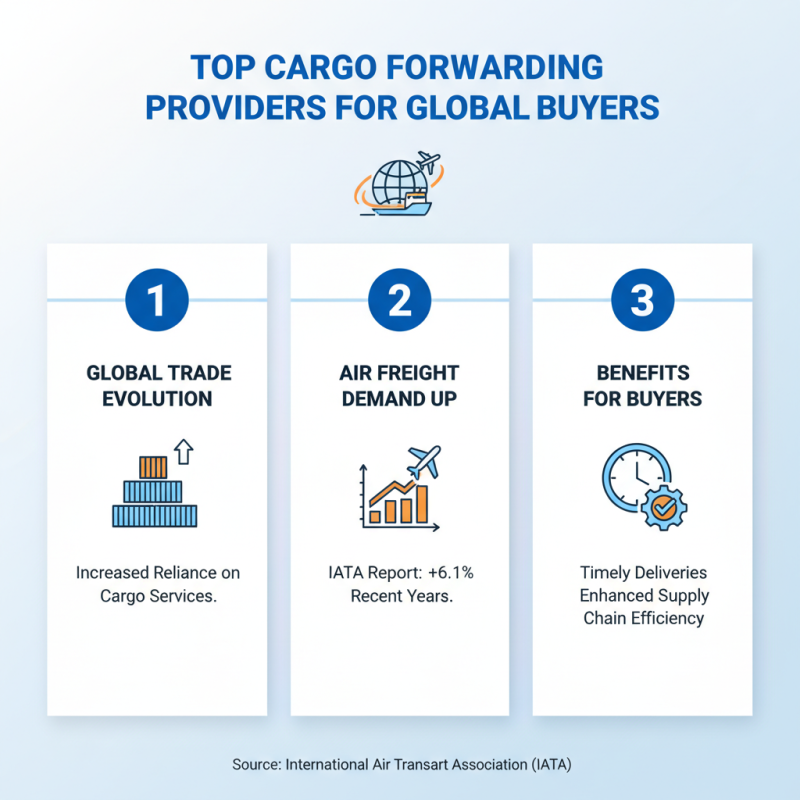
In the rapidly evolving world of international trade, selecting a reliable cargo forwarding provider is paramount for global buyers in China. According to the International Air Transport Association (IATA), air freight demand rose by 6.1% in recent years, indicating a stronger reliance on cargo services. Effective cargo forwarding services not only ensure timely deliveries but also enhance supply chain efficiency.
The landscape of cargo forwarding is competitive, with many providers offering diverse services. The World Bank reports that reducing shipping costs by just 10% can stimulate trade growth by up to 20%. As a result, global buyers are seeking providers with a track record of reducing transit times and managing customs clearance efficiently. Communication and transparency are critical. Providers that invest in technology to track shipments in real-time often gain an edge.
However, not all providers meet expectations. Certain issues include delays caused by improper documentation or miscommunication. Buyers need to engage closely with their chosen forwarder. Assessing the forwarder's experience in specific trade lanes is essential. Many buyers overlook the importance of this experience. A provider's industry knowledge can significantly mitigate risks, ensuring smoother operations. In an environment of rapid change, informed choices about cargo forwarding services can lead to better outcomes for global buyers.
Factors to Consider When Choosing a Cargo Forwarding Service
When selecting a cargo forwarding service, several critical factors demand attention. Firstly, the company's experience in handling international shipments significantly impacts reliability. Reports indicate that 75% of successful shipments are managed by companies with over five years of experience. These firms understand customs regulations and can navigate potential challenges efficiently.
Cost is another pivotal consideration. While cheaper options may seem attractive, they often lead to hidden fees or inadequate service. A recent survey highlighted that 30% of businesses encountered unexpected charges, which can derail budgets. Buyers should request detailed quotes to avoid surprises.
**Tip:** Always read reviews and ask for references before committing. This ensures that you gauge the experiences of previous clients.
Communication plays a vital role in this process. Clear and prompt communication can save time and reduce misunderstandings. According to industry statistics, companies that maintain consistent contact report a 40% lower rate of shipping delays.
**Tip:** Set expectations for communication frequency and preferred channels. This will enhance cooperation and transparency.
Top Cargo Forwarding Services for Global Buyers in China - Factors to Consider When Choosing a Cargo Forwarding Service
| Factor |
Description |
Rating Scale (1-5) |
Importance Level |
| Cost |
Evaluate the affordability of services offered by the forwarder. |
4 |
High |
| Reliability |
Assess the track record of timely deliveries and service quality. |
5 |
Very High |
| Customer Service |
Measure the responsiveness and support provided to clients. |
4 |
High |
| Industry Expertise |
Identify the experience in handling specific types of cargo. |
3 |
Medium |
| Network Strength |
Consider the forwarder's global connections and reach. |
5 |
Very High |
Benefits of Utilizing Cargo Forwarding Services for International Trade
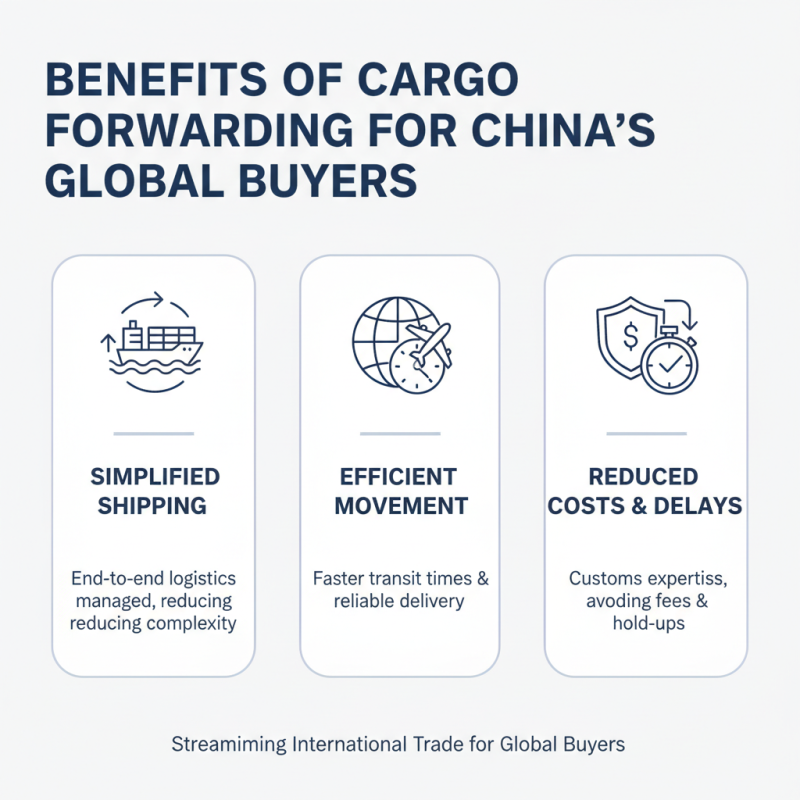
In the realm of international trade, utilizing cargo forwarding services offers significant advantages for global buyers in China. These services simplify the shipping process. They ensure that goods move from point A to point B efficiently. A reliable cargo forwarder understands customs procedures, reducing delays and unforeseen costs.
The expertise of cargo forwarders can be critical. They have knowledge about shipping routes and regulations, which helps businesses navigate complex logistics. For instance, they can provide insights into optimal shipping methods. This is essential when time-sensitive materials need to reach clients quickly. However, not all cargo forwarders are equal. Some may lack experience or fail to communicate effectively, leading to potential issues.
Many buyers also find that working with these services saves time and resources. They handle documentation, freeing businesses to focus on core operations. Yet, buyers must remain vigilant. Choosing the right forwarder requires research and due diligence. Evaluating past performance and client reviews is crucial. Inconsistencies in service quality can happen, and preparedness is key to avoiding pitfalls.