Choosing the right shipping company is crucial for global sourcing. The right Shipping Co can make or break your supply chain. Many businesses struggle with this decision. Different companies offer various services and rates. It’s not just about cost; reliability matters too.
When selecting a Shipping Co, understanding their expertise is vital. Some specialize in certain regions, while others claim worldwide expertise. You need to determine what aligns with your needs. Look at their track record, but also consider reviews and testimonials. They shed light on their reliability and service quality.
Reflect on your own requirements. Do you need speed, affordability, or both? Every Shipping Co will have its own strengths and weaknesses. Finding the balance can be tricky. Take the time to research thoroughly. Ultimately, making an informed choice is essential for your global sourcing success.

Global sourcing involves purchasing goods from suppliers across different countries to optimize cost and quality. This process creates unique shipping needs that businesses must understand to avoid delays and extra expenses. For example, cargo may require specific handling due to temperature sensitivity or fragile packaging, which standard shipping services might not accommodate well. Recognizing these nuances can help in selecting a shipping company capable of catering to such special demands.
Shipping internationally also presents challenges like customs clearance, varying regulations, and unpredictable transit times. Experienced shipping partners often have established networks and knowledge to navigate these issues efficiently. However, no shipping company is perfect; unforeseen problems such as customs hold-ups can still occur. Being prepared for such uncertainties by having clear communication and contingency plans is crucial.
Choosing the best shipping company means considering more than just cost. Reliability and expertise in global logistics play a vital role. It’s worth reflecting on past shipping experiences—were the goods handled carefully? Did the service meet promised timelines? These insights contribute to making an informed and practical decision.
| Shipping Company Criteria | Importance Level (1-5) | Typical Shipping Time (Days) | Shipping Cost (Estimated per kg) | Available Services |
|---|---|---|---|---|
| Reliability | 5 | 5-10 | $5.00 | Tracking, Insurance |
| Cost-Effectiveness | 4 | 7-14 | $3.00 | Bulk Discounts, Freight Forwarding |
| Speed | 3 | 3-7 | $7.00 | Express Shipping, Same-Day Delivery |
| Customer Service | 5 | Varies | $4.50 | 24/7 Support, Online Chat |
| Network Coverage | 4 | 5-12 | $6.00 | International Shipping, Local Pickup |

Choosing the right shipping company is crucial for global sourcing. Several key factors influence this decision. Reliability should be a top priority. A company with a solid track record ensures timely deliveries and minimizes disruptions. Look for testimonials or case studies showcasing their performance.
Cost is another critical consideration. Compare shipping rates among various companies. However, the cheapest option may not always be the best choice. Evaluate the services included in the price. Hidden fees can add up quickly.
Communication plays a significant role in the shipping process. A company that provides clear updates and support is invaluable. You want a partner who can address issues promptly. Assess their technology and tracking systems as well. A strong system enhances transparency, but it’s not foolproof. Understand that challenges can arise in global shipping. Flexibility in adapting to such situations is essential.
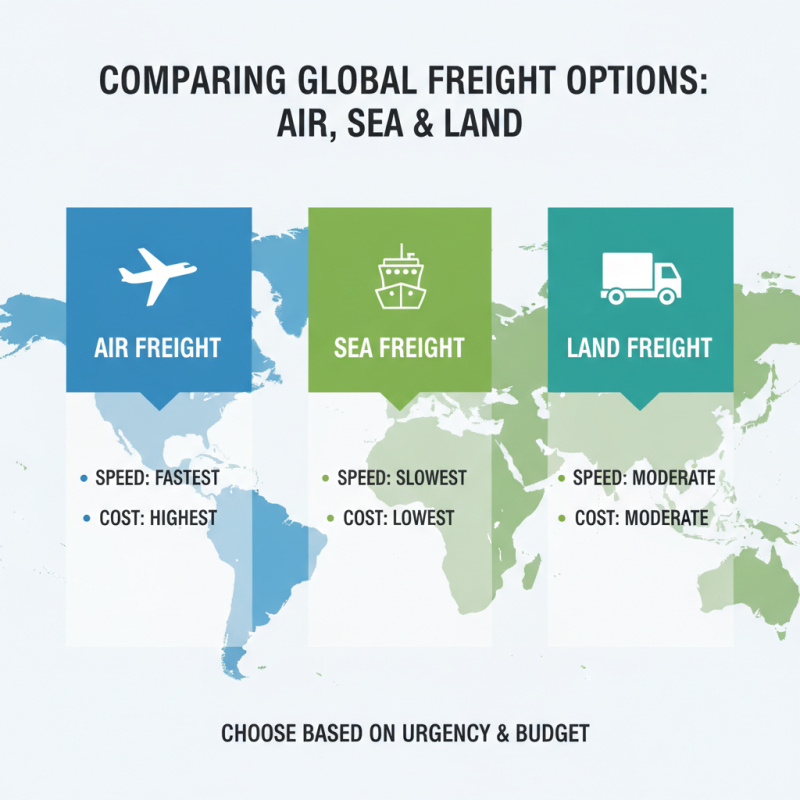
When choosing the best shipping option for global sourcing, consider air, sea, and land freight. Each method has its unique advantages and challenges, making it essential to weigh your options carefully.
Air freight is the fastest option, but it often comes at a high cost. According to industry reports, air freight prices can be up to five times more expensive than sea freight. However, if time is critical, air transport may justify the higher price. Sea freight, while slower, can handle large volumes at a reduced cost per unit. A report indicates that shipping by sea can be 80% cheaper than air transport for bulk goods.
Tips: Always factor in your delivery timeline when selecting a freight method. Misjudging the urgency can lead to delays and increased costs. For urgent needs, air freight may be your best bet. However, if time allows, opt for sea freight for economy.
Land freight typically serves as a bridge between air and sea options. It's reliable for reaching local destinations from ports. Yet, routes can be longer, leading to unexpected delays. An awareness of local regulations can prevent potential issues. Not every region has the best infrastructure, so assess this before deciding.
Tips: Always check recent data on shipping trends and rates. The logistics landscape changes rapidly, and up-to-date information helps you make informed decisions. Balancing cost and speed is crucial in making an optimal choice.
When assessing a shipping company for global sourcing,
reputation and reliability are crucial factors.
According to a report from the International Freight Forwarders Association,
68% of companies prioritize reliability over price when choosing a shipper. This decision can significantly impact the supply chain.
Delayed shipments can lead to increased costs and lost sales opportunities.
Customer reviews offer valuable insights into a company's reputation. Platforms like
Trustpilot and
Google Reviews showcase user experiences.
Consistent high ratings can indicate a reliable partner. However, not all reviews can be trusted.
A study by Demand Metric found that 34% of online reviews are either
exaggerated or entirely fake.
Another aspect is the shipping company's history.
Companies with a long-standing presence often demonstrate reliability and adaptability.
Data from the World Bank highlights that established firms with over ten years in the industry
typically have a lower incident rate of shipment loss or damage. But even experienced companies may face challenges.
Economic shifts, natural disasters, or regulatory changes can affect operations.
Thus, due diligence is essential for making informed choices.
Choosing the right shipping company for global sourcing is crucial. A thorough cost-benefit analysis helps you make informed decisions. Look deeper into each provider’s pricing structure. There may be hidden fees that can inflate costs unexpectedly. Evaluate not only the surface rates but also the additional services provided. Do they offer tracking? How do they handle customs? These factors can save you money and time.
Tips: Always request detailed quotes from multiple companies. This helps in comparing rates effectively. Don’t hesitate to ask about discounts or additional incentives. Sometimes, providers have promotions that aren’t explicitly advertised.
Inspect the shipping times and reliability statistics. A cheaper option might delay your goods, affecting your business. Understanding transit times can reveal trade-offs between cost and efficiency. Sometimes, reliability is worth the extra dollar.
Tips: Consider the reputation of the company. Reviews and testimonials reflect their service quality. Prioritize companies that demonstrate transparency in their operations. Choosing a provider without that insight could lead to costly mistakes.