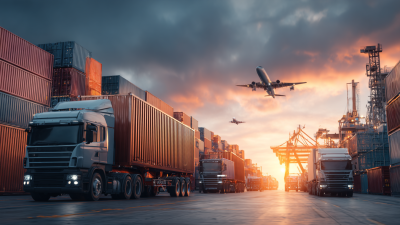
What is Global Logistics and How Does It Impact Trade?
Global logistics plays a crucial role in facilitating international trade, connecting suppliers and consumers across borders. According to a report by the Council of Supply Chain Management Professionals, global logistics costs accounted for approximately 10.7% of GDP in 2020. This figure highlights the significant economic impact of logistics on global markets. Efficient logistics can reduce costs and enhance service levels, directly influencing trade competitiveness.
However, the complexity of global logistics poses challenges. Delays, high shipping costs, and unforeseen disruptions can affect supply chains. A 2021 McKinsey report noted that 75% of companies faced logistics challenges during the COVID-19 pandemic. This reflection points to the need for businesses to adapt and innovate within their logistics strategies. Without effective logistics, products may not reach customers timely, impacting market performance.
In light of these issues, understanding global logistics is essential for businesses aiming to thrive in the global market. As trade continues to evolve, logistics must also adapt to new technologies and consumer expectations. Companies that prioritize optimized logistics strategies can enhance their market positioning and navigate the complexities of trade more effectively.
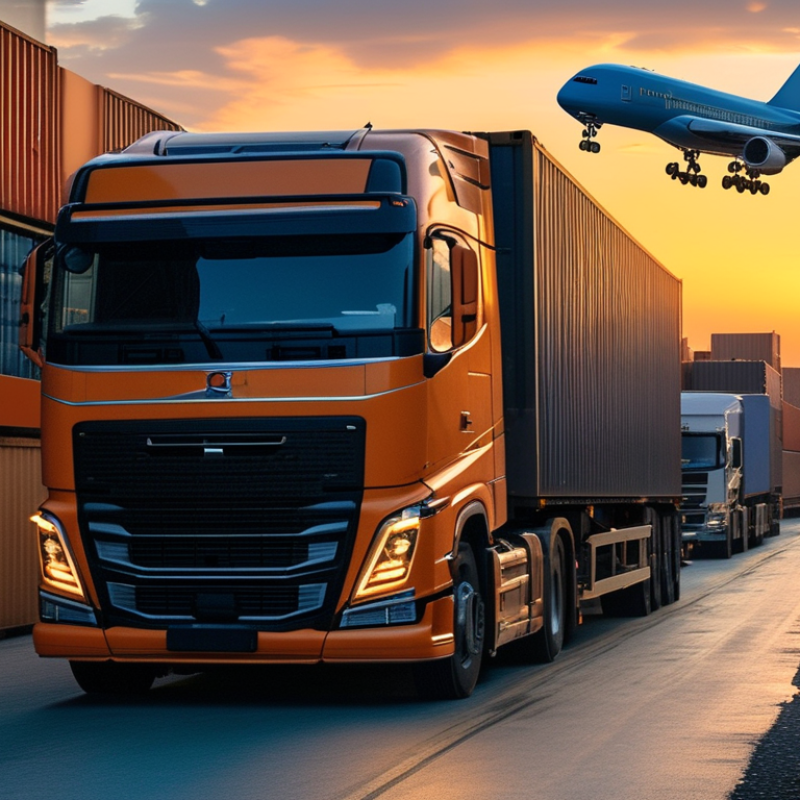
Definition of Global Logistics and Its Key Components
Global logistics encompasses all processes involved in the movement of goods across international borders. It integrates various components including transportation, warehousing, and inventory management. According to the Council of Supply Chain Management Professionals (CSCMP), global logistics influence over 75% of inventory costs. Effective management of these components ensures timely delivery and cost-efficiency in trade.
Transportation is a critical element of global logistics, taking different forms like air, sea, and land. Each mode has unique characteristics influencing speed and cost. For example, air freight is faster but often more expensive than ocean shipping. Warehousing also plays a significant role, as it affects how quickly products can be dispatched. A poorly located warehouse can lead to delays. Research from Logistics Management indicates that up to 30% of logistics costs come from inefficient warehousing processes.
Challenges like fluctuating fuel prices and international regulations can complicate logistics management. Companies often face difficulties in balancing cost and speed. According to a report by McKinsey, 70% of logistics companies struggle with adapting to new technologies. Reflecting on these issues can lead to improved strategies and better performance in the global trade arena.
The Role of Global Logistics in Facilitating International Trade
Global logistics plays a crucial role in international trade. It connects producers and consumers across borders. Efficient logistics systems ensure the smooth flow of goods. They manage transportation, warehousing, and distribution channels. This reduces costs and delivery times.
Yet, challenges often arise. Delays can occur due to customs regulations. In some cases, goods are damaged during transit. Technology can help mitigate these issues but is not foolproof. Real-time tracking and data analytics provide valuable insights. However, reliance on technology can lead to vulnerabilities.
Understanding these dynamics is essential. Companies must adapt to changing regulations and market demands. Training staff in logistics management is vital. Continuous improvement processes can enhance efficiency. By addressing these aspects, businesses can thrive in the global marketplace.
Challenges and Risks in Global Logistics Management
Global logistics plays a vital role in international trade by coordinating the flow of goods across borders. However, managing this complex system comes with its own set of challenges and risks. One major challenge is the unpredictability of global markets. Factors like political instability and economic fluctuations can disrupt supply chains. For instance, a sudden geopolitical event might halt shipments, leaving companies scrambling for solutions.
Another significant risk is the potential for shipping delays. Weather, port congestion, and customs inspections can all cause unexpected hold-ups. These delays can impact customer satisfaction and increase costs. Companies must be proactive in finding alternative routes or adjusting timelines to mitigate these risks.
Tips for managing logistics challenges:
Stay informed about global trends. Knowledge of market changes can help preemptively address disruptions. Develop strong relationships with suppliers and logistics partners. Communication is key to navigating challenges together. Invest in technology that provides real-time tracking. This visibility can help identify issues before they escalate. Ultimately, an adaptable approach is essential in the face of global uncertainties.
Technological Advancements Shaping Global Logistics
Technological advancements are transforming global logistics.
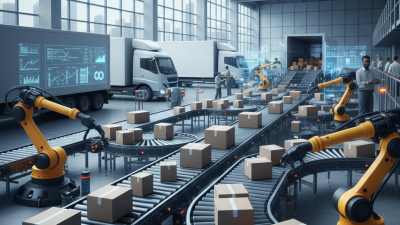
Automation, for example, increases efficiency in warehouse operations. Robots can handle goods swiftly, reducing human error. Drones are also emerging, cutting delivery times significantly. This tech evolution is a vital part of modern trade.
Tips: Embrace technology. Explore automation tools tailored for your business needs. Look into software that streamlines inventory management and tracking.
Data analytics is another crucial factor.
Companies can analyze shipping routes to minimize costs. Utilizing real-time data allows for smarter decision-making. However, over-reliance on technology can create blind spots.
Tips: Regularly review data insights. Ensure there's a human element in decision-making. This balance can enhance reliability in operations, fostering growth in trade.
The Economic Impact of Global Logistics on Global Markets
Global logistics plays a critical role in shaping economic landscapes. It impacts trade by streamlining the movement of goods across borders. Efficient logistics reduce costs and enhances market accessibility. This efficiency is not without challenges, though. Often, delays occur due to customs procedures or unexpected global events. These disruptions can ripple through economies, affecting supply chains and consumer prices.
Countries that invest in logistics infrastructure tend to see economic benefits. Improved ports and transportation networks attract foreign investments. These investments create jobs and increase trade volumes. However, small and developing nations may struggle to keep pace. They face limitations in resources and technology. This gap can widen the economic divide, highlighting logistical inequalities.
In the global marketplace, logistics can be a double-edged sword. While it enables businesses to reach new markets, it can also pose risks. Transportation disruptions and increasing fuel costs affect profitability. Companies must remain adaptable and innovative to navigate these uncertainties. Balancing efficiency with resilience is key in today's interconnected world.