How to Choose the Best Ltl Shipping Service for Your Business?
Choosing the right Ltl Shipping service is crucial for your business. It can impact costs and delivery times significantly. Ltl Shipping, or less-than-truckload shipping, is a practical option for transporting smaller freight loads. However, finding the best service requires careful consideration.
Start by evaluating your shipping needs. Do you often send smaller shipments? Is cost a primary factor? Many Ltl Shipping providers offer different pricing structures. Understanding your budget and shipment frequency is essential. It's also vital to check the provider’s reputation. Look for reviews and testimonials from other businesses.
In addition, assess the reliability of their service. Late deliveries can disrupt your operations. You may also need to consider the network coverage. Does the provider service all areas that matter to you? Striking the right balance between cost and service quality can be challenging. Don’t overlook these details when making your choice. Reflection on past shipping experiences can also guide you in this decision-making process.

Understanding LTL Shipping: Key Concepts and Terminology
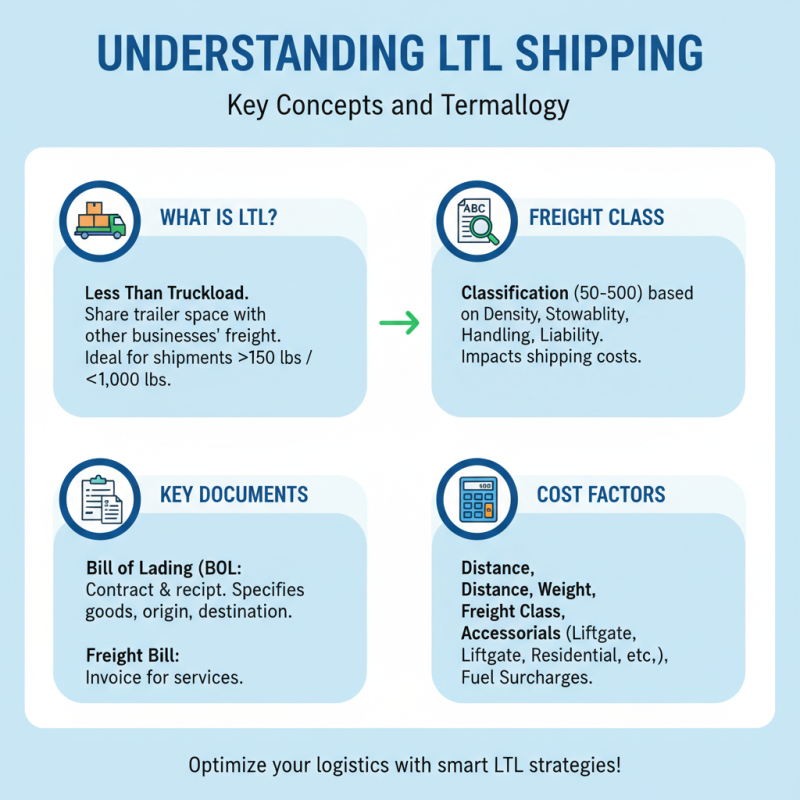
LTL shipping, or Less Than Truckload shipping, is essential for many businesses. It allows companies to send smaller freight without needing a full truckload. Understanding key terms is vital. For example, what is a freight class? This classification affects shipping costs and transit times.
Pricing in LTL shipping can be intricate. You might encounter factors like weight, dimensions, and distance. Each of these plays a significant role in determining the final quote. Another important term is "accessorial charges." These are extra fees for additional services. For instance, if your shipment requires liftgate service, expect higher charges.
In choosing the best LTL service, clarity matters. Sometimes, quotes can feel confusing. Make sure to ask about any hidden fees. Communication with the carrier is crucial. Are they responsive and helpful when you have questions? Reflect on past experiences. Choose a provider that aligns with your business needs.
Assessing Your Business Needs for LTL Shipping Services
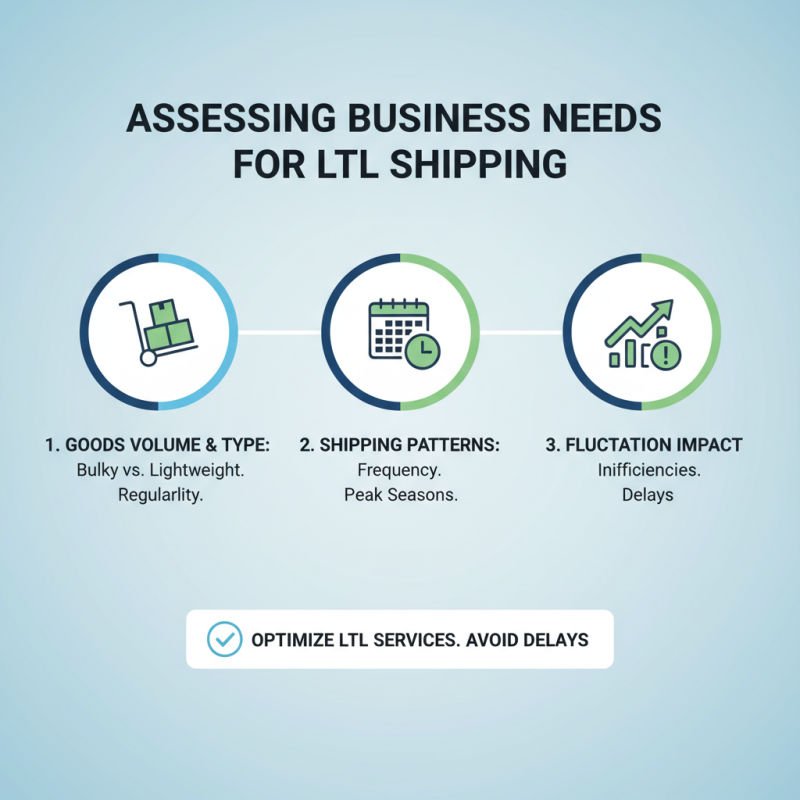
Assessing your business needs for LTL shipping services requires careful consideration. Start by evaluating the volume of goods you ship regularly. Are they bulky or lightweight? This matters. Understand your shipping patterns and how often you need LTL services. You might find that peak seasons change your requirements. This fluctuation can lead to inefficiencies or delays if not assessed properly.
Next, think about your budget. LTL shipping can vary significantly in price. Compare options and look for hidden fees. Beware of rushing into contracts without understanding the costs involved. An inadequate analysis may result in overspending. Reflect on your delivery timelines. If your business cannot afford delays, this will be a decisive factor. Align your shipping choices with your commitment to customer satisfaction.
Also, consider your geographical reach. Are you shipping locally, nationally, or internationally? Different areas may have unique rules and service providers. Not all LTL services excel in every region. Take the time to research feedback and reviews. Gather insights about potential partners. This step is crucial but often underrated. In the end, clear self-assessment will lead you to the right shipping solution. Think critically about your needs and let those guide your choice.
Evaluating Potential LTL Shipping Providers: What to Look For
When selecting an LTL shipping service, evaluating potential providers is essential. Start by examining their track record. According to the 2021 Freight Transportation Services Index, LTL shipments increased by 4.2%. This growth indicates a robust demand for reliable services. A company with a proven history in on-time deliveries is more likely to meet your expectations.
Next, consider their coverage and network. A study from Logistics Management showed that 80% of businesses face delays due to inadequate transport networks. You want a provider that spans the regions where you need support. Geographic limitations can lead to higher costs and slower transit times. Check if the provider has partnerships that enhance their logistics capabilities.
Additionally, assess their technology offerings. Effective tracking systems can boost efficiency. A report from the Council of Supply Chain Management Professionals states that visibility in shipping can reduce costs by up to 15%. If a provider lacks modern tracking, it might lead to frustration. Understand their customer service approach as well. Poor communication can create issues in unforeseen circumstances. Aim for a provider that prioritizes transparency and responsiveness. Finding the right LTL service may take effort, but it is worth every ounce of diligence.
How to Choose the Best Ltl Shipping Service for Your Business? - Evaluating Potential LTL Shipping Providers: What to Look For
| Criteria |
Importance Level |
Evaluation Metrics |
Notes |
| Pricing |
High |
Cost per shipment, Additional fees |
Compare quotes from multiple providers |
| Transit Time |
Medium |
Average delivery time, On-time performance |
Assess speed of service based on destination |
| Service Levels |
High |
Delivery options, Value-added services |
Look for services like white glove or extensive coverage |
| Customer Service |
High |
Availability, Responsiveness |
Check reviews and responsiveness during inquiries |
| Technology |
Medium |
Tracking capabilities, Online tools |
Ensure access to shipment tracking and management tools |
| Insurance Options |
Medium |
Coverage limits, Premium rates |
Review available insurance and coverage for goods |
Comparing Rates and Services of Different LTL Shipping Companies
When comparing the rates and services of different LTL shipping companies, it’s essential to look beyond just the price tag. According to recent industry data, nearly 75% of shippers consider service quality equally important as cost. This means that a low rate may come with hidden costs, such as poor communication or delays.
Many companies offer various service levels, and understanding these differences can help you make a better choice. Some providers might promise fast transit times but have limited freight tracking options. This can leave you in the dark about your shipment's status. On the other hand, carriers with comprehensive tracking often charge more. A detailed report from a logistics consultancy shows that shippers using carriers with better visibility report a 30% decrease in delivery-related issues.
Evaluating the frequency of transit and the scope of service areas is crucial. Some LTL providers excel in regional markets but struggle in national coverage. A survey highlighted that nearly 40% of shipping disruptions are related to geographical limitations. This can hinder timely deliveries. Balancing cost with reliable service is not effortless. Many businesses are realizing they must invest more up front to reduce issues later on.
Comparison of LTL Shipping Costs by Weight Class
This chart compares average shipping costs for LTL services across different weight classes. It helps businesses make informed decisions when selecting a shipping provider based on their freight needs.
Building a Relationship with Your Chosen LTL Shipping Provider
Building a strong relationship with your LTL shipping provider is
essential for your business growth. Trust and communication
are key components. According to a 2022 logistics report, companies with strong provider
relationships save up to 20% on average in shipping costs. This
savings comes from better negotiation and service reliability.
Start by understanding their services and capabilities. Some providers might excel in expedited shipping,
while others shine in cost-effective solutions. Regularly discuss
your needs and challenges with them. This can lead to tailored solutions. A 2021 survey found
that 70% of businesses experience improved service quality when they
maintain open communication with their shippers.
Reflect on your satisfaction levels. Are your delivery times consistent? Is your freight damaged often?
These questions can reveal areas for improvement. Don’t hesitate to address issues directly. An open dialogue fosters a proactive approach. In the end, building a solid
partnership with your LTL provider can significantly enhance your shipping efficiency and overall
customer satisfaction.