China Best Enclosed Auto Shipping Companies?
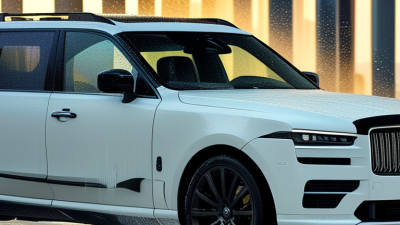
Choosing among China’s best enclosed auto shipping companies requires more than comparing the lowest quote. Enclosed Auto Shipping protects vehicles from rain, road dust, salt air, and unnecessary public exposure during transport. It is especially useful for luxury cars, classic models, electric vehicles, and newly purchased automobiles with sensitive finishes. A reputable provider should explain each stage clearly, from pickup inspection in Shanghai or Shenzhen to delivery at a dealership, warehouse, or private address.
Real experience matters here. Professional carriers usually provide detailed condition reports, photographs, trained loading teams, secure equipment, and realistic delivery windows. They should also explain insurance coverage, customs documentation, port procedures, and possible destination charges in plain English. Transparent communication is a strong trust signal. So is a written agreement with no surprising changes.
Small details matter.
This guide will examine how to assess China-based enclosed vehicle transport companies through service quality, operating experience, customer feedback, and documentation standards. It will also consider whether a company uses reliable partners for international routes, rather than making unsupported promises about every destination. A polished website alone proves little. Independent reviews can be incomplete, and even experienced shippers may face weather delays, port congestion, or scheduling changes. That is worth remembering.
The goal is not to declare one universal winner. Different owners need different solutions, budgets, and delivery speeds. By comparing protection methods, communication practices, pricing structures, and after-sales support, readers can make a more informed and defensible choice. A careful provider should welcome questions before accepting the vehicle, not disappear after payment.
What Is Enclosed Auto Shipping in China?
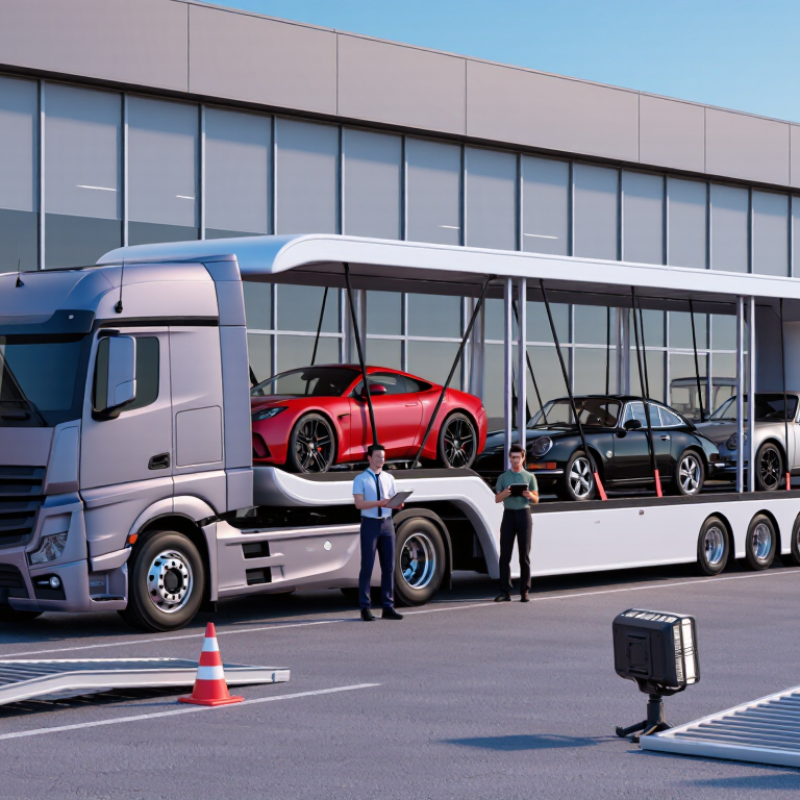
Enclosed auto shipping in China means transporting a vehicle inside a sealed trailer, container, or purpose-built rail wagon. The vehicle stays away from rain, road dust, sunlight, and flying debris. This service suits luxury, classic, electric, and newly manufactured vehicles. It costs more than open transport, but it offers better physical protection.
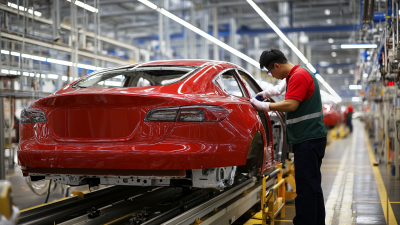
The China Association of Automobile Manufacturers reported 31.28 million vehicles produced and 31.44 million sold in 2024. Vehicle exports reached about 5.86 million units. These figures show why secure transport planning matters at Chinese ports and inland terminals. A professional operator should record the VIN, mileage, battery status, tire condition, and existing scratches before loading. Photos should show each panel clearly. Inside the enclosure, trained workers use wheel straps and approved tie-down points. They should not place straps over fragile suspension or painted surfaces.
Small details matter.
Enclosed transport does not remove every risk. Poor ventilation may increase moisture exposure, especially after rain or washing. Electric vehicles also require specific loading procedures and charge-level checks. The 2024 China Automotive Logistics Association industry guidance emphasizes traceability, standardized handling, and delivery documentation. Customers should verify cargo insurance limits, exclusions, transit time, customs responsibilities, and damage-claim procedures in writing. A low quotation may hide terminal waiting fees or unsuitable equipment. I would also question any provider promising zero delay; weather, port congestion, and inspection queues remain real variables.
How to Compare China’s Enclosed Auto Transport Companies
Comparing China’s enclosed auto transport companies requires more than checking the lowest quote. Start with shipment experience, vehicle type, route coverage, and handling procedures. Ask whether the carrier regularly moves luxury, classic, electric, or low-clearance vehicles. Real experience matters when a car needs careful ramp angles and extra interior protection.
Request a written quotation with every charge explained. It should identify pickup, terminal handling, inland delivery, insurance limits, storage, and possible port fees. Confirm the policy’s coverage in writing, including deductibles and damage-claim procedures. A professional company should provide licensing details, a service contract, and a realistic delivery window. Vague promises are a warning sign.
Inspect the enclosed trailer before loading, if possible. Look for soft straps, wheel chocks, clean flooring, and separation from other vehicles. Photograph the car’s condition, mileage, dashboard, wheels, and glass at pickup. Tracking updates should include loading confirmation and arrival notices. Communication quality is evidence of reliability. Still, it is not proof of perfect service. Some quotes may exclude seasonal delays or warehouse costs. Ask direct questions, read every clause, and compare at least three detailed proposals before choosing.
What Determines Enclosed Auto Shipping Costs in China?
Enclosed auto shipping costs in China depend on more than distance. Vehicle size, weight, pickup location, and delivery city all affect the quotation. A compact sedan needs less loading space than a large SUV. Details matter.
From handling export vehicles, I have learned that port access can change the price sharply. A vehicle collected near a major coastal port may cost less than one collected inland. Road permits, loading equipment, fuel prices, and seasonal demand also influence the final amount. Busy periods often bring higher rates. That is normal.
The enclosure level matters too. A shared enclosed trailer usually costs less than a dedicated compartment. Extra protection, inspection, storage, and transit insurance may add separate fees. Always request a written breakdown covering loading, inland transport, port handling, customs support, and delivery. Ask for evidence.
My early estimates were sometimes too optimistic because small fees appeared later. A reliable quotation should identify possible changes, not hide them. Confirm the vehicle’s dimensions, declared value, legal documents, and delivery schedule before payment. No quote is perfect. However, clear terms make unexpected costs easier to manage. Comparing several compliant providers can reveal whether a price is realistic or simply incomplete.
What Determines Enclosed Auto Shipping Costs in China?
Indicative domestic planning estimates for one vehicle transported in an enclosed carrier. Actual quotations vary with route, vehicle size, season, insurance, and pickup or delivery requirements.
Distance is usually the largest cost driver. Larger or higher-value vehicles require more loading space, handling, and insurance coverage, while major-city pickup, tolls, peak-season demand, and door-to-door service can increase the final price.
How to Choose a Reliable Enclosed Auto Shipping Company
Choosing a reliable enclosed auto shipping company in China requires more than comparing the lowest quote. Look for clear licensing, cargo insurance, and a written service agreement. The agreement should show pickup dates, delivery terms, vehicle condition procedures, and liability limits. A professional company explains these details without pressure.
Ask how the vehicle will be protected inside the carrier. Enclosed transport should reduce exposure to rain, dust, road debris, and harsh sunlight. Request recent loading photographs or a video walkthrough. A careful team records existing scratches, fuel level, mileage, and tire condition before departure. Keep your own photographs too. Small details matter.
Check whether the company provides shipment tracking and a named customer contact. Delayed replies are a warning sign. Independent reviews can reveal repeated problems, but do not trust perfect ratings alone. Speak with the insurer directly when possible, and confirm how claims are handled. A very cheap quote once looked attractive to me, but unclear insurance made it risky. I should have asked more questions earlier. Reliable service may cost more, yet transparent protection is usually worth the difference.