2026 Top Vehicle Shipping Estimate How Much Does It Cost?
Moving a car across the country can feel like pricing a trip with several moving parts. A Vehicle Shipping Estimate depends on distance, vehicle size, pickup access, season, and transport type. Open carriers usually cost less, while enclosed trailers offer added protection for classic, luxury, or delicate vehicles. The gap is real. Still, no single national average can predict your final quote.
Industry data helps explain why prices change. The American Transportation Research Institute’s An Analysis of the Operational Costs of Trucking, 2024, reported an average trucking cost of $2.270 per mile in 2023. That figure is not an auto-shipping rate; it is a broader operating-cost benchmark. It shows why fuel, driver time, equipment, and route efficiency matter to carriers. The U.S. Energy Information Administration’s weekly diesel-price data can also help explain changing fuel conditions, though it cannot determine an individual shipment price.
For a useful estimate, compare written quotes using the same details: vehicle year and model, exact ZIP codes, preferred dates, and whether the car runs. A sedan shipped between major cities may be easier to price than a large SUV picked up on a narrow rural road. Small details matter. Ask whether insurance, terminal fees, and delivery windows are included, and confirm the carrier before booking. Estimates can shift when schedules or fuel costs change. That uncertainty deserves attention, not a rushed promise.
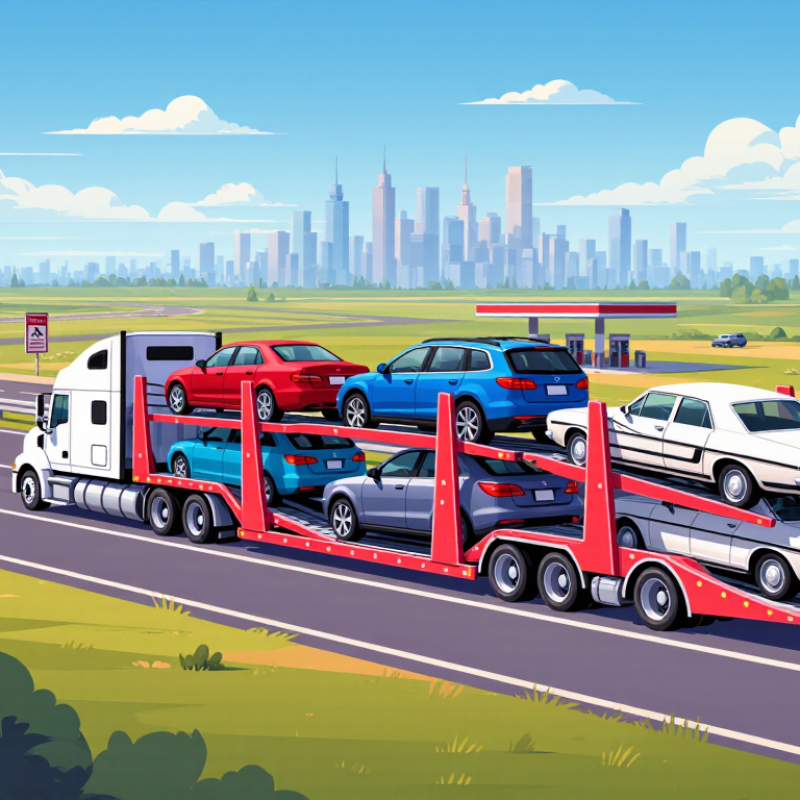
What a Vehicle Shipping Estimate Covers in 2026
A vehicle shipping estimate in 2026 should explain what the quoted price includes, not just show a total. It typically reflects the route distance, vehicle size and condition, transport type, and requested timing. A standard sedan that runs and steers may cost less to move than a large SUV or a vehicle that cannot be driven onto a trailer. Open transport is usually the more economical option; enclosed transport offers added protection from weather and road debris, at a higher price. Pickup and delivery arrangements can also affect the quote. Small details matter.
Check whether the estimate includes fuel-related costs, tolls, and applicable taxes, or whether these may be added later. Ask what coverage is provided during transport and what its limits or exclusions are. Door-to-door service may depend on safe, legal access for a large truck; a nearby parking lot could be used instead. Remote addresses, narrow streets, or limited access can change the plan and the final charge. Timing matters, too. Flexible dates may give the carrier more options, while a narrow pickup window can affect availability. Ask before booking. Compare written estimates using the same route, vehicle details, and service level. Prices can change when those details are incomplete, and an estimate is not always a guaranteed final bill.
2026 Vehicle Shipping Estimate: How Much Does It Cost?
Illustrative U.S. estimates for shipping a standard sedan by open carrier.
These planning ranges are not guaranteed quotes. Final prices can vary with vehicle size, route demand, season, fuel costs, and pickup or delivery flexibility.
Which Factors Determine Vehicle Shipping Costs
Vehicle shipping prices are not determined by distance alone. A 900-mile route may cost less per mile than a shorter trip if carriers already travel that corridor. Ask for an estimate that identifies pickup and delivery locations, service type, and possible extra fees. Details matter.
Vehicle size and condition also affect the quote. A compact sedan usually takes less trailer space than a large SUV or pickup. If it cannot start, steer, or brake, loading may require additional equipment and labor. Describe its condition clearly; “runs” can mean different things to different people. Easy to overlook.
Open transport is generally less costly than enclosed transport, which provides more protection from weather and road debris. Flexible pickup dates can help, while remote locations or tight access may require a nearby meeting point. Season and route demand can shift prices, too. Compare estimates with matching services and check what each one includes, rather than choosing by the lowest number. A quote is still an estimate, not a promise; final charges can change if the vehicle details or access conditions were inaccurate.
How to Choose a Shipping Method and Route
2026 Top Vehicle Shipping Estimate: How Much Does It Cost?
How to Choose a Shipping Method and Route
Choosing a shipping method starts with your vehicle’s value, condition, and delivery window. Open transport usually costs less and suits standard cars that can handle outdoor exposure. Enclosed transport adds protection from weather and road debris, but the higher price may not make sense for every vehicle. Door-to-door service can save time when both locations are accessible to a carrier. In crowded neighborhoods, a nearby meeting point may work better.
Route matters, too. A shorter route on a map is not always cheaper; remote pickups, difficult access, and limited carrier traffic can affect the estimate. Ask whether the quote includes pickup and delivery, fuel-related charges, and expected timing. Compare written estimates with the same vehicle details and service type. A vague quote is hard to trust. I’d also allow some flexibility: delivery dates can shift with traffic, weather, or carrier schedules, and that uncertainty is easy to underestimate.
Tips: Share the vehicle’s year, model, condition, and exact pickup and delivery ZIP codes. Remove personal items and note any low clearance or inoperable parts before requesting estimates. Ask what could change the final price. Then compare the details, not just the lowest number.
How to Calculate and Request a Shipping Estimate
To calculate a vehicle shipping estimate, gather the details that change the cost. Note the pickup and delivery ZIP codes, vehicle year and model, and whether it runs. Share the preferred dates and ask about open or enclosed transport. Distance matters, but so do route access, vehicle size, season, and pickup flexibility. An estimate is a planning figure, not always a final price.
Tips: Send the same details to each provider. Ask for an itemized estimate that identifies possible access fees, insurance coverage, payment terms, and cancellation conditions. A low total can look appealing while leaving important charges unclear. It is easy to overlook that when comparing quotes.
Before requesting an estimate, check whether a large truck can reach both locations. A narrow residential street or low tree branches may require a nearby meeting point. Mention modifications, such as a roof rack or lowered suspension, since they can affect loading. Ask how long the estimate remains valid and what could change the price. Keep the response in writing, then compare the service details—not only the number. Plans can change, so a flexible pickup window may help, though it may not suit every schedule.
How to Compare Quotes and Identify Additional Fees
A vehicle shipping estimate is only useful when every quote covers the same service. Compare door-to-door or terminal delivery, open or enclosed transport, and the estimated pickup window. Check whether the price is binding or can change after a carrier is assigned. A low number may reflect a slower pickup window, not a better deal. Ask what happens if the vehicle’s size or condition changes the rate. Small details matter.
Read the fee terms carefully. Ask whether fuel, tolls, insurance, storage, or remote-area pickup costs are included, and request examples of charges that could be added. Confirm the payment schedule and whether a deposit is refundable if arrangements change. Some estimates use vague wording like “additional fees may apply.” Ask for specifics in writing. It is tempting to compare only the headline price; I would, too, when several quotes arrive at once. But a clear estimate with a realistic delivery window can be easier to plan around than a cheaper figure with unanswered questions. Keep the quotes and written answers together, so differences are easy to spot.