
Leave Your Message

Why Is LTL Shipping a Cost Effective Option?

Less-than-truckload shipping can make sense when a shipment does not fill an entire trailer. A business might send six pallets of boxed parts instead of paying for unused space in a dedicated truck. With Ltl In Shipping, freight from multiple businesses shares trailer capacity, and each shipper generally pays for the space and service used. That matters.

An illustrative LTL operations expert, Daniel Mercer, might put it this way: “The savings come from sharing capacity, but good shipment details protect those savings.” This is an illustrative quote, not a sourced statement from a real, named expert. In practice, accurate pallet dimensions, weight, pickup access, and delivery requirements help carriers plan routes and avoid preventable adjustments. A dock-ready shipment may also be simpler to handle than freight requiring special equipment or appointment coordination.

The cost advantage is not automatic. Freight can move through several terminals, where pallets are sorted and transferred. That can mean longer transit times and more handling than a direct truckload move. A low initial rate may also change when shipment details are incomplete or services are added. Small details matter.

For companies with steady, moderate freight volumes, comparing total charges and delivery expectations can reveal when LTL is a practical fit. The comparison should include pickup, linehaul, accessorial services, and delivery timing—not just the quoted base rate. Even then, forecasts are imperfect. A shipment that looks inexpensive on paper may not be the best choice if delays disrupt production or customer commitments.
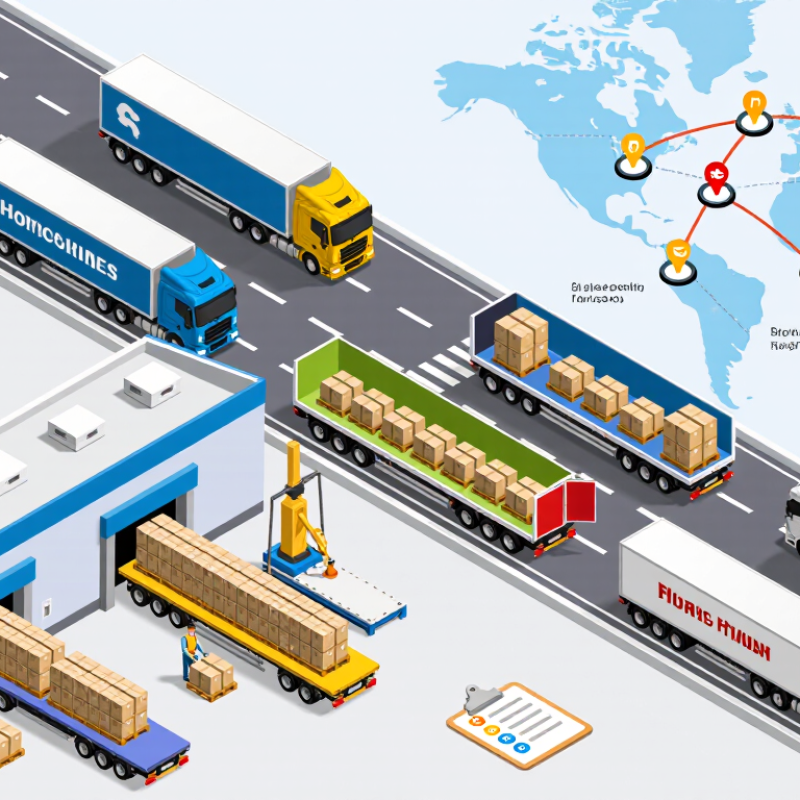
Why Is LTL Shipping a Cost Effective Option?

What Less-Than-Truckload Shipping Means

Why Is LTL Shipping a Cost Effective Option?

What Less-Than-Truckload Shipping Means

Less-than-truckload, or LTL, shipping is for freight that does not need an entire truck. A carrier combines shipments from several businesses in one trailer. Each shipper pays for the space and handling their freight requires, rather than reserving the whole vehicle. Space is shared.

A typical LTL shipment might be a few pallets of boxed parts moving between warehouses. The pallets are collected, sorted at terminals, and transferred to another truck before delivery. That shared network can make LTL more affordable for smaller loads. It also means freight may be handled more often than a full-truckload shipment. Secure packaging and clearly marked pallets matter.

Pricing often reflects weight, dimensions, distance, freight classification, and services such as liftgate delivery. A small change in pallet size can affect the quoted price. Cost estimates are not always simple. I’d check the shipment details carefully, especially if a pallet overhangs or the delivery site has limited dock access. LTL can be a practical choice when a shipment is too large for parcel service but does not fill a trailer. Delivery timing may be less direct, so compare service expectations alongside the price.


How LTL Carriers Share Costs Across Shipments

LTL shipping places freight from several shippers on one trailer, rather than reserving the entire vehicle. A pallet of boxed fittings may travel beside another shipper’s crated equipment. Terminal teams sort and transfer freight along the route. Each customer pays a share of linehaul, fuel, handling, and dispatch costs. Carriers typically calculate that share using weight, freight class, dimensions, distance, and service needs. That changes the math. Smaller loads can use scheduled network capacity without paying for unused trailer space.

The cost pressure is real. The American Transportation Research Institute’s 2024 Operational Costs of Trucking report put average marginal operating costs at $2.270 per mile in 2023. This figure covers trucking broadly, not a specific LTL quote, but it shows why using capacity efficiently matters.

Consolidation spreads vehicle and network expenses across more freight. Yet extra sorting and terminal handling also add costs. Dense, stackable pallets often use space well; oversized pieces may take more room than their weight suggests. Compare the full quote, not only the base rate. Liftgate service, reweighs, and delivery appointments can change the final bill. Transit times may also vary with routing. Cost sharing helps, but it is not magic.

Which Factors Affect LTL Shipping Rates

LTL shipping can reduce costs when a business has too little freight to fill a trailer. The rate, however, depends on more than shipment weight. Carriers also consider freight class, shipment dimensions, pickup and delivery locations, and current capacity along the route.

Density matters. A compact pallet weighing 500 pounds may take less trailer space than a bulky, lighter load. Freight class can reflect density, handling needs, and liability, so accurate measurements and descriptions help prevent reclassification charges.

Small details matter. A pallet measured with its overhang can price differently from one measured without it.

Distance and route conditions also affect the quote. Shipments moving between busy freight hubs may cost less than those requiring service in a remote area. Fuel prices, seasonal demand, and available trailer space can shift rates. Extra services, such as a liftgate, residential delivery, or appointment scheduling, may add fees. Packaging matters, too: a stable, stackable pallet can use trailer space more efficiently. Even careful estimates can miss a detail, especially when dimensions are rounded or access needs are unclear. Checking the shipment’s size, weight, and delivery requirements before booking gives a more dependable cost picture.

When LTL Shipping Can Reduce Transportation Costs

Why Is LTL Shipping a Cost Effective Option?

When LTL Shipping Can Reduce Transportation Costs

LTL shipping can lower transportation costs when your freight occupies only part of a trailer. Instead of paying for unused space, you share capacity with other shipments. This often suits businesses sending a few pallets rather than a full truckload. For example, a shipment of three standard pallets may be more economical through LTL, especially when delivery timing is flexible. That matters.

Savings depend on shipment details, not just pallet count. Accurate dimensions and weight help carriers plan space and calculate rates. A missed measurement can lead to a corrected invoice later. Accessorial charges, such as liftgate service or limited-access delivery, can also reduce the apparent savings. Compare the full quote, including pickup, delivery, and any extra handling. LTL is not always cheaper for urgent freight or shipments with unusual requirements. It is worth checking both options.

Tips: Measure each pallet after wrapping, and confirm the delivery site has a loading dock. Ask whether appointment or liftgate fees apply. Leave a little schedule flexibility; it can help match your freight with available routes. Be honest about the numbers. Mistakes happen.

How to Balance LTL Savings with Delivery Needs

LTL shipping can reduce costs when a shipment is too large for parcel service but does not need a full truck. Freight shares trailer space with other loads, so businesses pay for the capacity they use. That can make sense for a few pallets of machine parts or boxed supplies. But a lower quote is only useful if the delivery timing also works.

Transit times may vary because the truck makes several pickups and deliveries. A shipment needed for a Tuesday installation should leave enough buffer for delays, not arrive on the morning of the job. Check the quoted transit window, pickup schedule, and delivery requirements before booking. Small details matter. Accurate pallet dimensions and weight help avoid reclassification charges, while sturdy wrapping can reduce damage during extra handling. If the site needs a liftgate or a scheduled appointment, ask about those fees upfront.

There is a trade-off. LTL often saves money, but it may involve more handling and less control over the exact arrival time. For flexible inventory replenishment, that can be a fair exchange. For urgent or fragile freight, compare the total cost with faster or more direct options. I’ve seen a cheap rate look less appealing once a missed delivery disrupts a work crew. Still, forecasts are imperfect; leave room for surprises.

Why Is LTL Shipping a Cost-Effective Option?

Less-than-truckload (LTL) shipping lets businesses share trailer space, which can lower costs for smaller shipments. The best service depends on how much you can save versus how quickly the freight needs to arrive.

Illustrative planning scenario, not market-rate data. Cost index is normalized to Economy LTL = 100; actual costs and transit times vary by route, freight characteristics, and carrier.