For global buyers, a late container can mean empty shelves, missed sales, and hurried calls across time zones. 3rd Party Logistics providers help manage the practical work behind international orders: transport coordination, warehousing, inventory visibility, and delivery planning. The value is not simply outsourcing. It is gaining access to operating capacity and expertise that may be costly to build alone.
John Langley, a logistics scholar and longtime lead researcher of the 3PL Study, described the relationship this way: “A 3PL is a relationship between a shipper and a third party which, compared with basic services, has more customized offerings, encompasses a broader number of service functions and is characterized by a longer-term, more mutually beneficial relationship.” That definition points to a key decision: buyers should assess the partnership, not just the quoted freight rate. Can the provider handle seasonal volume? Does its tracking show where a shipment actually is? Are escalation contacts clear when plans change?
The right arrangement depends on the buyer’s products, destinations, order patterns, and internal capabilities. A small importer may need flexible storage; a larger brand may prioritize coordinated transport across several regions. Neither choice is automatically better. Service quality can vary, and outsourcing does not remove the buyer’s responsibility to monitor performance. A spreadsheet may reveal delays, but it cannot explain every cause. That part deserves honest review. This outline explores why global buyers choose 3rd Party Logistics, what benefits they seek, and which trade-offs they should examine before selecting a provider.
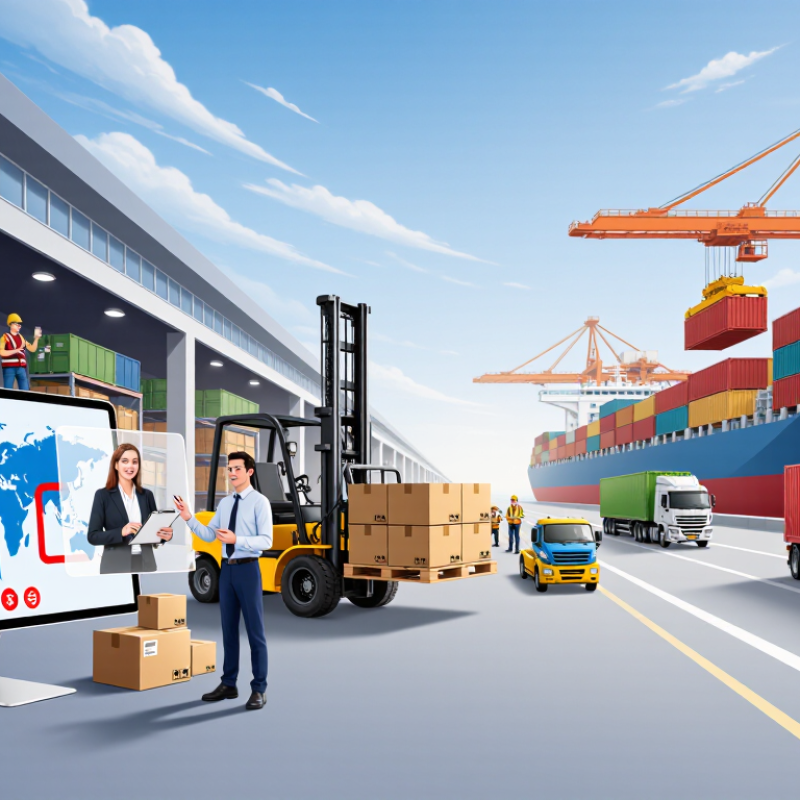
In global trade, a third-party logistics provider handles parts of a company’s supply chain for a fee. Services can include freight booking, customs paperwork, warehousing, and delivery coordination. The shipper still owns the goods; the 3PL manages agreed tasks and connects carriers, ports, and storage sites. A buyer might see this as a container leaving Shanghai, a status update during transit, and pallets ready for collection near a distribution center. That is the handoff. UNCTAD’s Review of Maritime Transport 2024 reports that over 80% of world trade by volume moves by sea, making coordination across ocean routes central to many international shipments.
The World Bank’s Logistics Performance Index 2023 compares customs, infrastructure, shipment arrangements, logistics services, tracking, and delivery timeliness. These measures show why 3PL work is more than finding a truck: a late document or missed port connection can disrupt several links at once. Providers may consolidate smaller shipments, arrange storage near a destination, or help buyers track cargo across carriers. For import teams without local staff, that can make unfamiliar routes easier to manage. Still, outsourcing is not magic. Buyers need clear service terms, reliable shipment data, and a plan for delays. Even experienced operators can misjudge a port bottleneck. A 3PL coordinates the journey; it cannot remove every risk.

Why Do Global Buyers Use 3rd Party Logistics?
Which Services 3PL Providers Offer International Buyers
For international buyers, a third-party logistics provider can coordinate the steps between a supplier and a customer’s doorstep. Services may include freight booking, shipment consolidation, and warehouse storage. For example, several smaller orders can be combined into one shipment, reducing scattered deliveries. A 3PL may also prepare shipping documents and help organize customs information. Buyers should confirm who is responsible for each document and provide accurate product details.
Many providers offer inventory management, order picking, packing, and delivery coordination. Buyers can often check stock levels through an online dashboard and request alerts when inventory runs low. Some warehouses inspect cartons for visible damage, photograph exceptions, or apply approved labels before dispatch. These checks help, but they do not replace careful supplier quality control. That distinction matters. Return handling and shipment tracking may also be available, though coverage varies by location and service plan.
A capable 3PL gives buyers one operational contact for multiple shipping stages. Still, outsourcing is not automatically cheaper. Extra handling fees, unclear service limits, or slow communication can create new problems. Even detailed tracking may not explain a delay at a transfer point. Buyers can compare delivery times, storage rates, insurance terms, and reporting practices before choosing a provider. Asking for a sample shipment report is practical. So is checking how exceptions are escalated.
Cross-border shipping involves more than moving cartons from a warehouse to a port. A third-party logistics provider can coordinate pickup, export paperwork, international transport, and final delivery. For a shipment of ceramic mugs, that may mean matching carton counts to the packing list and checking that the commercial invoice describes the goods clearly. Small details matter. A vague product description can prompt questions or delay review.
A 3PL may also work with a customs broker to submit entry information and track a shipment while authorities review it. The provider can help organize documents such as invoices, packing lists, and origin details, then flag missing information before dispatch. Duties and taxes depend on the destination, product classification, declared value, and other shipment facts. A logistics team can explain the process, but it cannot make inaccurate records accurate. The buyer and seller still need to confirm their information.
Good coordination is practical, not magical. A clear handoff can help when a container misses a connection or customs requests supporting documents. Buyers should ask who will handle each filing, when they will receive status updates, and how extra charges are approved. Even experienced teams sometimes discover a mismatch late; that is worth reviewing, not hiding. Customs requirements vary by destination, so shipment-specific guidance should be checked before goods leave the warehouse.
| Shipping Stage | What a 3PL Typically Manages | Key Data or Documents | Value for the Buyer | Important Control Point |
|---|---|---|---|---|
| Order preparation | Consolidates orders, checks shipment details, and coordinates collection from suppliers or warehouses. | Product descriptions, quantities, package dimensions, gross weight, shipper and consignee details. | Combines logistics tasks across suppliers and helps reduce avoidable handling or booking errors. | Product descriptions and quantities should match the purchase order, packing list, and invoice. |
| Transport planning | Compares available transport modes and routes, books capacity, and coordinates handoffs between carriers. | Origin and destination, cargo dimensions, required delivery window, transport mode, and handling needs. | Provides access to transport coordination and shipment visibility without requiring the buyer to manage every carrier handoff. | Transit time and cost depend on the route, mode, capacity, season, and service selected; estimates are not guarantees. |
| Export documentation | Coordinates document preparation and checks that shipment information is consistent before dispatch. | Commercial invoice, packing list, transport document, and any export permits or certificates required for the goods. | Helps identify missing or inconsistent paperwork before it causes delays. | Document requirements depend on the goods, origin, destination, and applicable export controls. |
| Tariff classification and customs data | Helps collect product details for tariff classification and prepares or coordinates customs-entry data. | Product composition, function, country of origin, customs value, and applicable tariff classification. | Improves the completeness of customs information and can help reduce classification-related errors. | Classification and origin must be accurate. Customs authorities make the final determination, and the importer may retain legal responsibilities. |
| Customs clearance | Coordinates with a customs broker or other authorized representative and tracks requests for additional information. | Customs declaration, supporting invoices, permits, certificates, and any requested evidence. | Gives the buyer a coordinated point of contact during the clearance process. | Release timing depends on customs review, complete documentation, inspections, and payment of applicable charges. |
| Duties, taxes, and delivery terms | Communicates estimated charges and coordinates payment arrangements according to the agreed shipping terms. | Customs value, classification, origin, destination, and the named delivery term and place. | Helps buyers understand who is expected to arrange transport, clearance, and charges under the selected terms. | Import duties and taxes vary by destination and shipment details. Delivery terms allocate specific responsibilities; they do not replace customs law. |
| Tracking and exception handling | Shares shipment milestones and coordinates responses to delays, document requests, or route disruptions. | Booking and tracking references, milestone updates, exception notices, and revised delivery estimates. | Improves visibility and helps the buyer plan inventory and receiving operations. | Tracking updates show reported events; they do not guarantee a delivery date or customs release. |
| Final delivery and records | Coordinates delivery appointments, proof of delivery, and collection of shipment records. | Delivery instructions, receiving requirements, proof of delivery, and final transport or customs documents. | Connects international transport with the buyer’s warehouse or other receiving location. | Keep invoices, customs records, and proof of delivery according to the record-retention rules that apply to the transaction. |
Customs rules, required documents, duties, taxes, and importer responsibilities vary by country and shipment. Confirm requirements with the relevant customs authority or a qualified customs professional.
Global buyers use third-party logistics providers to coordinate freight, warehousing, and delivery across markets. A provider may consolidate several shipments, manage inventory near a port, and arrange onward transport. That can reduce duplicated work and help companies avoid paying for warehouse space they rarely use. Small details matter. A late container update can leave a team paying for storage or holding too much safety stock.
The 2024 Third-Party Logistics Study found that 89% of shipper respondents said 3PLs offer new and innovative ways to improve logistics effectiveness. This points to operational value, not guaranteed savings. Actual costs depend on shipment volume, routes, service levels, and contract terms. Outsourcing can also make charges less visible if accessorial fees and storage costs are not reviewed. That part is easy to miss.
Tips: Compare total landed logistics costs, not just freight quotes. Ask for clear reporting on transit times, warehouse fees, and exceptions. Review performance by route each month; a provider that works well on one lane may not be the best choice everywhere.
Why Do Global Buyers Use 3rd Party Logistics?
What to Consider When Choosing a 3PL Provider
Choosing a 3PL provider starts with the shape of your operation. Check whether its warehouses and transport routes match your customers’ locations, not just its coverage map. Ask how orders are handled after the daily cutoff and what happens when a shipment is delayed. For example, a two-hour response time may matter more than a polished dashboard when a pallet misses a scheduled pickup. Confirm that the provider can manage your product’s storage needs, order volumes, and returns process. Request sample performance reports, including delivery accuracy and inventory discrepancies. Numbers need context, though. A strong average can hide weak performance during seasonal peaks.
Tips: Ask for a clear fee schedule, including storage, handling, and returns. Speak with current clients who have similar order patterns. If possible, run a small pilot before moving all inventory. Watch how quickly the provider flags a stock mismatch. That detail is easy to overlook.
Technology and communication deserve equal attention. Check whether inventory updates connect reliably with your order system, and ask how often data syncs. A delay can leave a product listed as available after the last unit has shipped. Agree on named contacts, escalation steps, and review meetings before onboarding begins. Be cautious of promises that sound unusually precise; forecasts change, and no provider controls every carrier or border delay. I would still compare written service terms against the people doing the daily work. A careful site visit can reveal gaps a sales presentation may not.
Reported benefits of working with 3PL providers
In the 2024 Third-Party Logistics Study, shippers identified improved logistics effectiveness, better customer service, and lower logistics costs as benefits of using 3PLs. When choosing a provider, buyers can also compare service coverage, technology, flexibility, and performance against their own requirements.
Source: 28th Annual Third-Party Logistics Study (2024). Percentages represent surveyed shippers reporting each benefit.