Top 10 Benefits of LTL Shipping for Small Businesses You Should Know
In the dynamic world of logistics, small businesses often seek efficient and cost-effective solutions to meet their shipping needs. One increasingly popular option is LTL shipping, or Less than Truckload shipping. This method allows businesses to transport smaller quantities of goods without the necessity of a full truckload, making it an ideal choice for smaller shipments. For small business owners, understanding the benefits of LTL shipping is crucial for optimizing their supply chain and enhancing operational efficiency.
LTL shipping not only provides flexibility, but it also offers substantial savings, helping small businesses manage their shipping expenses more effectively. With the ability to share transportation costs with other shippers, companies can reduce their overall logistics expenses while still ensuring their products arrive on time. Moreover, LTL shipping services often come with added benefits such as improved tracking capabilities and access to a broader network of carriers. This overview will highlight the top ten benefits of LTL shipping, showcasing how this shipping method can empower small businesses to thrive in a competitive marketplace.

Understanding LTL Shipping: What It Is and How It Works
Less-than-Truckload (LTL) shipping is a freight transportation method that consolidates shipments from multiple businesses into a single truckload. This approach is particularly beneficial for small businesses that may not have enough goods to fill an entire truck, allowing them to share shipping costs with other companies. According to the American Trucking Associations, LTL shipping accounts for approximately 20% of all freight shipments in the U.S., reflecting its significance in the logistics sector.
LTL shipping works by grouping various smaller shipments from different customers into one truck. Once the freight is loaded at a central hub, it is transported to a series of terminals where the cargo is sorted and delivered to its final destination. This method not only optimizes space but also reduces costs for small businesses. Research from Logistics Management indicates that using LTL services can save businesses up to 30% compared to using dedicated truckloads, making it a cost-effective solution for companies looking to manage their budgets while ensuring reliable delivery of their products. The growing trend of e-commerce has further fueled the demand for LTL shipping, with market reports projecting a compound annual growth rate (CAGR) of around 5.5% in the sector by 2025.
Top 10 Benefits of LTL Shipping for Small Businesses
| Benefit |
Description |
Cost Efficiency |
| Lower Shipping Costs |
LTL shipping allows small businesses to share truck space with others, reducing overall shipping costs. |
$$ |
| Flexible Delivery Options |
Multiple delivery options available for different time frames and locations. |
$$ |
| Environmental Benefits |
Consolidating shipments can lead to fewer trucks on the road, reducing carbon footprint. |
$$$ |
| Improved Inventory Management |
Easier to manage smaller shipments with streamlined tracking and delivery schedules. |
$$ |
| Less Inventory Needed |
Reduced need for large inventory storage, lowering overhead costs. |
$$ |
| Enhanced Security |
LTL carriers offer tracking and packaging options for better security during transit. |
$$$ |
| Access to More Carriers |
Small businesses can choose from a variety of carriers to meet their specific needs. |
$$ |
| Reliability |
Established carriers with proven track records provide better reliability. |
$$$ |
| Simplified Logistics |
LTL shipping simplifies the logistics process for small businesses due to organized pickup and delivery systems. |
$$ |
| Scalability |
Easily scale shipping operations as the business grows without the need for large capital investment. |
$$ |
Cost Efficiency: How LTL Shipping Saves Money for Small Businesses
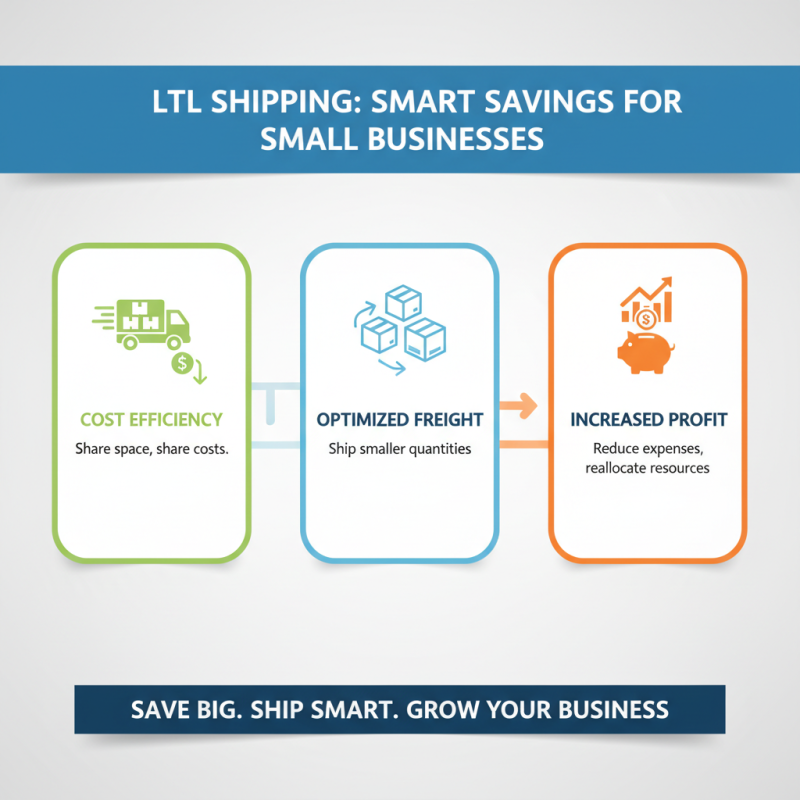
LTL (Less Than Truckload) shipping presents an excellent opportunity for small businesses to enhance their shipping strategy while saving on costs. One of the primary advantages of LTL shipping is its cost efficiency. Instead of paying for a full truckload, businesses can share the transportation costs with others by consolidating shipments. This means that small businesses can ship smaller quantities without incurring the higher prices typically associated with full truckload shipments. By optimizing freight management in this way, companies can significantly reduce their shipping expenses, allowing them to allocate their resources more effectively.
When considering LTL shipping, it's essential for small businesses to take advantage of various tips to maximize savings. Firstly, combining shipments with other businesses can lead to better rates. Collaborating with nearby companies can help consolidate shipments and reduce individual costs. Secondly, it’s beneficial to keep an eye on weight limits and dimensions. Shippers often charge extra for overages, so ensuring that packages stay within the set guidelines can help maintain lower fees. Lastly, working with experienced freight carriers who understand the nuances of LTL shipping can provide insights on optimizing routes and schedules, ultimately enhancing cost efficiency.
Incorporating LTL shipping into the logistics strategy of a small business not only provides an economical shipping solution but also improves overall shipping flexibility. By reducing costs through shared transportation, businesses can focus on growth and customer satisfaction, ensuring they stay competitive in their respective markets.
Flexibility and Scalability: Adapting to Your Business Needs with LTL
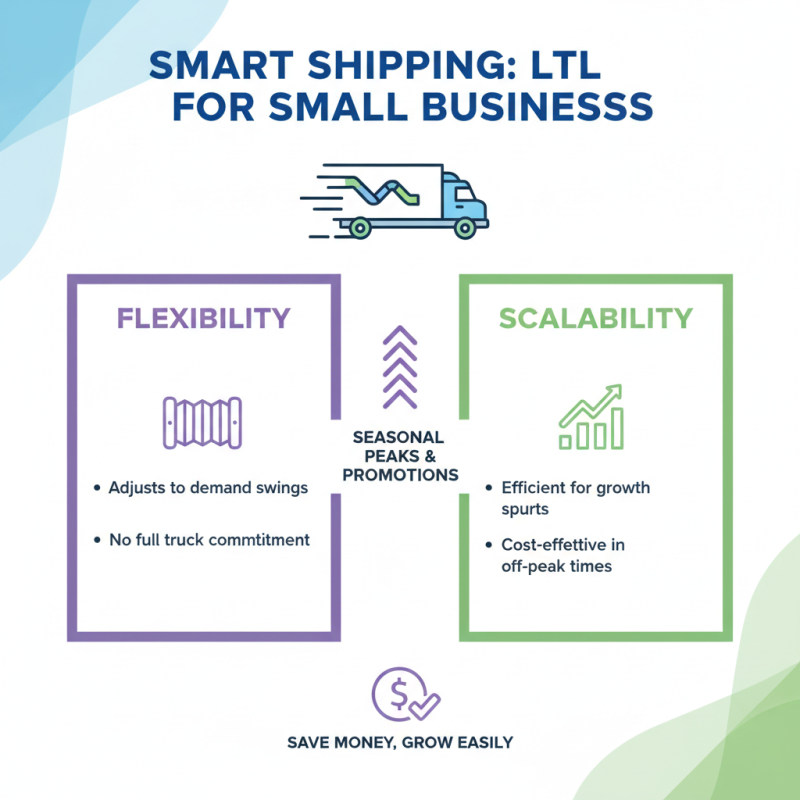
LTL (Less Than Truckload) shipping offers small businesses a unique advantage through its inherent flexibility and scalability. Businesses often experience fluctuations in demand, especially during seasonal peaks or special promotions. LTL shipping allows these businesses to adjust their shipping volume easily without committing to a full truckload. This adaptability means that when demand spikes, small businesses can efficiently scale their logistics operations to meet customer needs without the financial burden of unused truck space during quieter times.
Moreover, LTL shipping supports small businesses in their growth journey by allowing them to diversify their shipping options as they expand. As these businesses introduce new products or services, they can rely on LTL carriers to provide customized solutions that cater to their evolving logistics requirements. This service flexibility helps businesses maintain competitive pricing and delivery efficiency, which are vital in today’s fast-paced market. By capitalizing on LTL shipping, small businesses can strategically align their shipping practices with their growth objectives, ultimately enhancing their operational effectiveness and customer satisfaction.
Improved Delivery Times: The Speed Advantage of LTL Shipping
Less-than-truckload (LTL) shipping offers a significant advantage for small businesses, particularly when it comes to improved delivery times.
According to a report from the American Trucking Associations, freight trucks account for approximately 70% of all freight transportation in the U.S. By utilizing LTL shipping, companies can benefit from reduced transit times compared to traditional full truckload shipping. This is largely due to the efficiency of consolidating multiple shipments, which allows carriers to optimize their routes and scheduling, thus minimizing delays.
Moreover, LTL shipping providers have developed advanced logistics and tracking technologies that can enhance delivery speed. A study by the Council of Supply Chain Management Professionals indicates that businesses that invest in technology such as real-time tracking and automated route optimization often experience a decrease in delivery times by as much as 15%.
For small businesses looking to stay competitive, the ability to offer faster delivery can lead to increased customer satisfaction and loyalty, creating a stronger market presence. This bolstered efficiency fosters a favorable environment for growth, especially in an era where consumers increasingly expect rapid fulfillment of their orders.
Environmental Benefits: How LTL Shipping Contributes to Sustainability
LTL (Less Than Truckload) shipping offers significant environmental advantages that small businesses can leverage while contributing to the overall sustainability of their supply chains.
By consolidating shipments from multiple businesses, LTL carriers optimize truck space and reduce the number of vehicles on the road. This efficiency minimizes carbon emissions, as fully loaded trucks operate more sustainably than individual shipments that may be partially filled. As a result, small businesses utilizing LTL shipping contribute to a reduction in greenhouse gases and fuel consumption, promoting a healthier planet.
Additionally, LTL shipping encourages the use of smarter logistics practices. By combining loads from different shippers, freight companies can streamline routes and reduce overall travel distances. This thoughtful approach not only enhances overall efficiency but also supports sustainable transportation methods. With a commitment to reducing their carbon footprint, small businesses that adopt LTL shipping can play an essential role in advancing eco-friendly practices within their industries. Embracing this shipping method aligns with a larger movement towards responsible consumption and environmental stewardship, ultimately appealing to eco-conscious consumers.