What is Ltl Shipping and How Can It Benefit Your Business?
LTL shipping, or less-than-truckload shipping, is a crucial component of modern logistics. Many businesses are unaware that LTL shipping can drastically reduce their transportation costs. According to a report from Logistics Management, LTL shipments represent nearly 30% of all freight transportation in the U.S. This statistic underscores the growing reliance on this shipping method across various industries.
In recent years, the LTL shipping market has seen significant growth, projected to exceed $40 billion by 2027, as reported by Market Research Future. This rise is mainly due to the increasing demand for e-commerce and just-in-time inventory practices. Companies are recognizing that LTL shipping not only cuts costs but also enhances operational efficiency. However, despite its advantages, many firms struggle to understand how to optimize their LTL shipping strategies.
Exploring LTL shipping can lead to better supply chain decisions, but it is not without challenges. Businesses often encounter issues with transit times, freight claims, and space utilization. A thoughtful approach is necessary to navigate these potential pitfalls. By addressing these aspects, companies can unlock the full potential of LTL shipping for their operations.
Definition of LTL Shipping and Its Key Characteristics
LTL shipping, or Less-than-Truckload shipping, is a transportation method for smaller freight shipments. It allows businesses to share truck space with other shippers. According to industry reports, LTL shipping can accommodate shipments that weigh between 150 to 15,000 pounds. This flexibility is a key characteristic that makes it appealing to many businesses.
Companies benefit from reduced costs since they only pay for the space their freight occupies. Also, LTL shipping can enhance delivery speed. In fact, 83% of shippers reported using LTL services for quicker transit times, according to the FreightWaves data. However, the complexity of routing and potential delays should not be overlooked. Sometimes, multiple stops can slow down delivery.
Moreover, LTL shipping offers various service options, including guaranteed and expedited deliveries. These services can help businesses meet tight deadlines. Yet, it’s essential to be aware of the potential trade-offs. With increased service levels often comes higher fees and more stringent requirements. Analyzing these factors can help businesses decide the best shipping option for their needs.
Comparison of LTL Shipping vs. FTL Shipping
LTL shipping, or less-than-truckload shipping, is an efficient option for businesses shipping smaller freight quantities. It allows multiple shipments from different customers to share truck space, reducing costs. On the other hand, FTL, or full truckload shipping, involves dedicating an entire truck to one customer's shipment. This option is often more efficient for larger loads but can lead to higher costs for smaller deliveries.
When deciding between LTL and FTL, consider shipment size and urgency. LTL can save money on small to medium shipments, especially for businesses that don't consistently need full truckloads. However, it may involve longer transit times due to multiple stops. In contrast, FTL typically ensures faster delivery since the truck only makes one delivery. This is crucial for time-sensitive shipments, but the cost may be prohibitive for smaller businesses.
Other factors include tracking capabilities and damages. LTL shipping companies often provide tracking, though with more handling, there's a higher risk of damage. FTL shipments, while safer in that regard, can also experience delays from road issues. Both methods have their pros and cons, and careful evaluation aligned with your business needs can lead to better logistics decisions.
Comparison of LTL Shipping vs. FTL Shipping
Advantages of LTL Shipping for Small to Medium Businesses
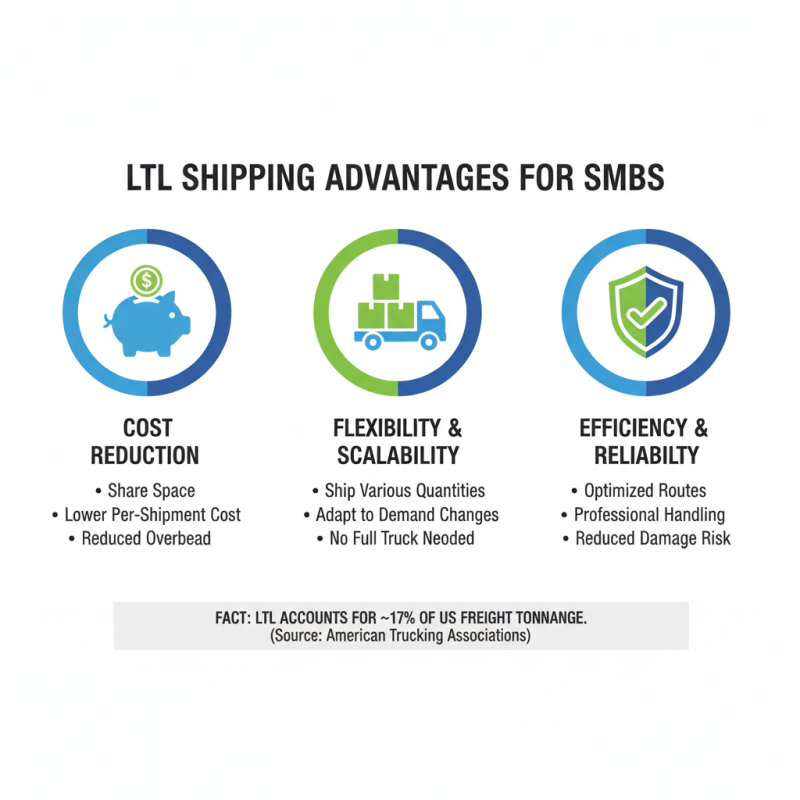
LTL (Less-Than-Truckload) shipping is an effective logistics solution for small to medium businesses. It allows companies to share shipping space, reducing costs significantly. According to the American Trucking Associations, LTL shipments account for approximately 17% of all freight tonnage in the United States. This strategy offers a more manageable way to handle shipments without the need for full truckloads.
For small businesses, LTL shipping can lead to substantial savings. A report by the Transportation Research Board indicates that LTL shipping costs can be up to 30% lower than traditional full truckload shipping. Businesses can deliver products more flexibly and affordably, enhancing cash flow and operational efficiency. This flexibility is crucial for managing fluctuating inventory levels, especially in seasonal business cycles.
However, there are challenges associated with LTL shipping. Transit times can be longer due to multiple stops. Damage rates can also be slightly higher as cargo is handled more frequently. Small businesses must evaluate if the potential cost savings outweigh these concerns. Understanding the pros and cons can lead to better decision-making and improved logistics strategies.
How to Select the Right LTL Shipping Carrier
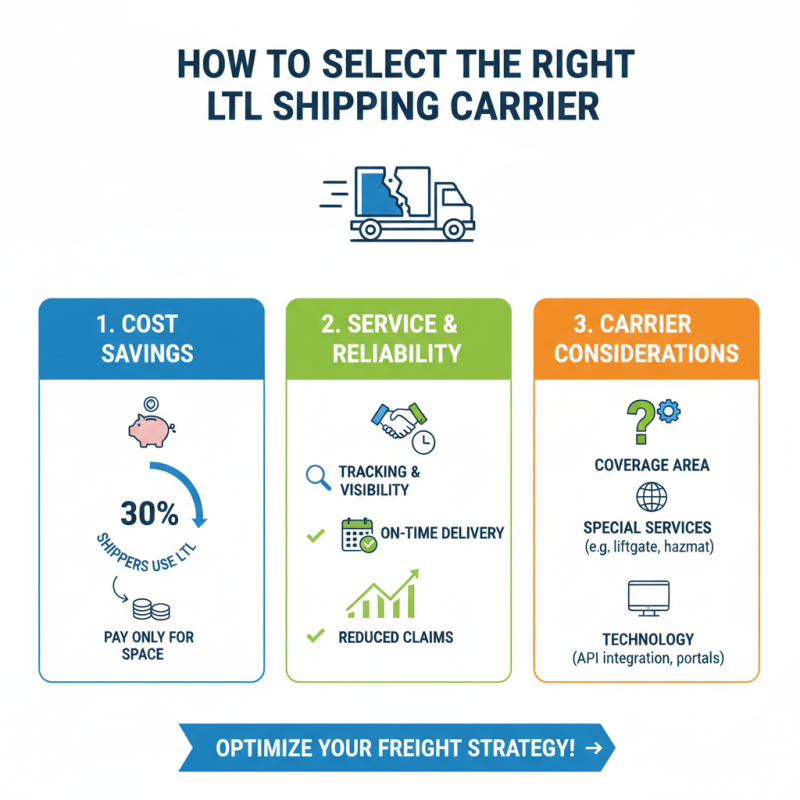
Selecting the right LTL (Less-than-Truckload) shipping carrier is crucial for businesses. According to recent industry reports, nearly 30% of shippers rely on LTL services for their freight needs. This method allows businesses to save on costs since they only pay for the space their goods occupy. However, not all carriers offer the same level of service or reliability.
When choosing a carrier, consider their track record. Look for carriers with high on-time delivery rates. The industry benchmark is around 92%, so aim for carriers that meet or exceed this standard. Additionally, evaluate their claims process. A smooth claims process reduces headaches if anything goes wrong during transit. Research suggests that businesses lose about 3-5% of their revenue due to shipping issues. Choosing a reliable carrier mitigates these risks.
Another critical factor is service offerings. Some carriers specialize in certain regions or industries. Understand your own shipping needs, whether you require temperature-controlled environments or expedited services. It’s essential to align the carrier’s capabilities with your business requirements. Remember, a poor choice today may lead to higher costs and dissatisfied customers in the long run.
Best Practices for Optimizing LTL Shipping Processes
LTL (Less Than Truckload) shipping can significantly enhance your logistics strategy. To optimize LTL shipping processes, focus on key best practices. Data from the American Trucking Associations suggests that about 68% of freight tonnage in the U.S. is moved by truck. Within this, LTL shipments play a crucial role, often enabling businesses to reduce costs and transit time.
Streamlining communication with your carriers is essential. This includes real-time updates and tracking. Implementing a transportation management system (TMS) can aid in routing efficiency. According to research by the Council of Supply Chain Management Professionals, effective TMS usage can yield up to a 15% cost savings annually. It's vital to analyze shipping patterns and consolidate shipments when feasible, as fewer drop-offs can enhance delivery efficiency.
However, not all practices will suit every business. Some may find that optimizing load factors leads to delays. Monitoring carrier performance against benchmarks is also crucial. Diverse shipping needs can result in varying levels of service. This inconsistency may require regular reassessment of carriers and strategies. Consider conducting periodic surveys of shipping times and service quality, as this can provide valuable insights into areas needing improvement.