What is LTL in Shipping and How Can It Benefit Your Business?
LTL in shipping, or Less Than Truckload shipping, offers significant advantages for businesses today. According to a report by Armstrong & Associates, LTL shipments account for over 10% of the total freight market in North America. This growing segment is gaining traction as companies seek cost-effective solutions for smaller shipments.
Utilizing LTL in shipping allows businesses to share truck space with others, reducing their overall freight costs. This model is particularly beneficial for companies that do not have enough cargo to fill an entire truck. Additionally, LTL shipping offers flexibility, allowing for faster delivery times. Reports indicate that LTL services can lower shipping expenses by up to 30%, making it a critical strategy for many businesses.
While LTL in shipping presents clear benefits, it's not without its challenges. Factors such as longer transit times and potential freight damage can surface. Businesses must evaluate their supply chain needs carefully. Understanding the balance between cost savings and potential delays is essential for optimizing logistics. Overall, LTL in shipping is a strategic tool for modern businesses looking to improve efficiency and reduce costs.

What is LTL Shipping and Its Importance in Logistics
LTL shipping, or less-than-truckload shipping, plays a crucial role in logistics. It refers to the transportation of small freight shipments that do not require a full truckload. Businesses that deal with lower volumes benefit significantly from this option. It allows for cost-effective shipping solutions. With LTL, product delivery is often faster. Multiple shipments can be consolidated, decreasing transit times.
The importance of LTL shipping extends to efficiency and flexibility. Many small businesses rely on it to distribute their products. They can save money while getting their products delivered promptly. This method also helps minimize waste. Instead of shipping large quantities, companies send what they need. However, businesses must be cautious. LTL can sometimes lead to longer delivery times due to multiple stops.
Understanding LTL shipping can improve a company's logistics strategy. It opens opportunities for growth without the burden of high shipping costs. Businesses should assess their shipping needs carefully. While LTL has its advantages, it may not suit every situation. Taking the time to evaluate these factors is essential for optimizing logistics.
What is LTL in Shipping and How Can It Benefit Your Business?
| Dimension |
Details |
| Definition |
LTL stands for Less Than Truckload, which is a shipping option for freight that doesn't require a full truckload. |
| Cost-Effectiveness |
Businesses can save on shipping costs by sharing transportation space with other shipments. |
| Flexibility |
LTL shipping allows businesses to ship varying shipment sizes without needing a full truck. |
| Environmental Impact |
LTL shipping can be more environmentally friendly than full truckloads due to better space utilization. |
| Transit Times |
LTL shipments might take longer than FTL due to multiple stops, but modern tracking minimizes uncertainty. |
| Accessibility |
Provides services to rural areas where full truckload shipments may not be cost-effective. |
| Tracking and Transparency |
LTL carriers often offer up-to-date tracking options, improving visibility for businesses. |
| Safety and Security |
LTL shipments are usually handled through multi-tiered logistics networks ensuring secure transport. |
Key Advantages of LTL Shipping for Small to Medium Enterprises
LTL, or Less Than Truckload shipping, provides many advantages for small to medium enterprises. This method allows businesses to share truck space, reducing overall shipping costs. According to a report by the American Trucking Associations, LTL shipments account for over 10% of all freight tonnage in the U.S. This statistic highlights its growing prominence in the shipping industry.
Utilizing LTL shipping can lead to significant savings. It enables businesses to pay only for the space they use. A study by the Logistics Management Group revealed that 68% of shippers reported cost savings when switching to LTL. This can be crucial for smaller businesses that are managing tight budgets and trying to optimize operations.
While LTL is not without its challenges, such as longer transit times due to multiple stops, it offers flexibility. Businesses can ship smaller quantities without overcommitting resources. Moreover, LTL providers often offer advanced tracking capabilities, enhancing visibility throughout the shipping process. For small to medium enterprises looking to optimize logistics, LTL represents a valuable opportunity.
Cost Comparison: LTL vs FTL Shipping Methods
When considering shipping methods, businesses often evaluate
LTL (Less Than Truckload) and
FTL (Full Truckload).
LTL shipping allows companies to share truck space with others. This can significantly lower costs as you only pay for the space your freight occupies.
According to the American Trucking Associations, LTL shipping can be up to
20% cheaper than FTL for smaller loads.
However, LTL might not be suitable for everyone. Transit times can be longer. Your shipment may be transferred between different trucks. Each transfer increases the risk of damage or delays.
In fact, a study by FreightWaves indicates that LTL shipments take
20% more time on average than FTL due to multiple stops and handling.
On the flip side, FTL shipping provides a dedicated truck for your freight. This method ensures faster delivery and reduced handling risks.
The cost is usually higher, but it offers peace of mind for high-value items.
Ultimately, the choice between LTL and FTL relies on your specific needs.
Balancing cost efficiency with delivery speed may require careful consideration.
Understanding LTL Pricing Models and Factors Affecting Costs
LTL, or Less Than Truckload shipping, offers businesses cost-effective solutions for transporting smaller freight loads. Understanding LTL pricing models is crucial for maximizing efficiency. According to the Freight Transportation Services Index, LTL rates can vary due to multiple factors, including weight, dimensions, and distance. Shippers often face challenges in accurately estimating costs, which can lead to budget overruns.
Many factors affect LTL pricing. Freight classes, based on weight and dimensions, play a significant role. For instance, high-density items generally incur lower rates than bulky, lightweight cargo. Additionally, seasonal fluctuations can lead to variable pricing. During peak shipping seasons, costs may rise by as much as 15% according to the Transportation Research Board. Businesses should be aware of these trends to manage expenses effectively.
Shippers also need to consider additional charges. Accessorial fees for services like liftgate delivery can add unexpected costs. Reports from the National Industrial Transportation League indicate that up to 20% of a shipment's cost can come from accessorial charges. This unpredictability often forces businesses to reassess their shipping strategies. Optimizing packaging and consolidating shipments can minimize these expenses, yet many still overlook such crucial details.
LTL Shipping Costs Analysis
This bar chart illustrates the average impact of different factors on LTL shipping costs. Each factor, including distance, weight, freight class, accessorial fees, and delivery time, contributes to the overall shipping expense. Understanding these factors can help businesses optimize their shipping strategies.
Real-World Examples of Businesses Successfully Utilizing LTL Shipping
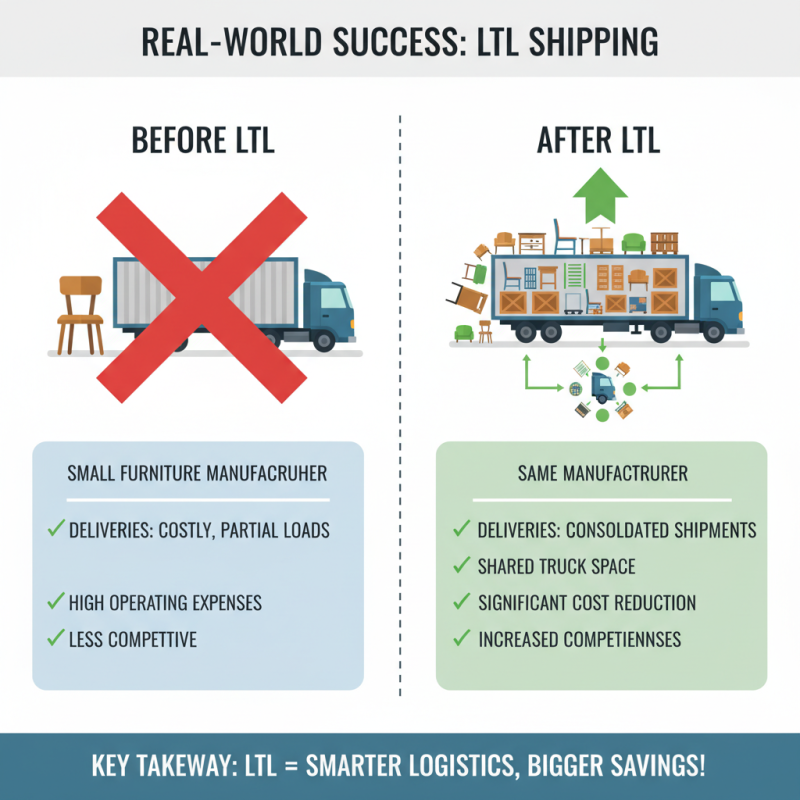
Many businesses have embraced LTL (Less Than Truckload) shipping to streamline their logistics. For instance, a small furniture manufacturer began using LTL for their deliveries. By consolidating shipments, they reduced costs significantly. They discovered that sending smaller loads through shared truck space was financially beneficial. This approach allowed them to compete more effectively.
A local e-commerce retailer faced inventory issues. They shifted to LTL shipping to manage their supply chain better. This change offered flexibility, enabling quick restocking. The company highlighted how LTL reduced storage costs by minimizing excess stock. However, they also faced challenges with transit times. Deliveries were not always as fast as expected. Adjusting their expectations proved essential.
Another example involves a health food brand. They utilized LTL for distributing products to various retailers. Although this method cut transportation expenses, it sometimes resulted in damage during transit. They learned the importance of packaging and labeling. Investing in better materials improved their delivery quality. Ultimately, these businesses showcased how LTL can drive savings while presenting unique challenges.