What is International Logistics and How Does It Work?
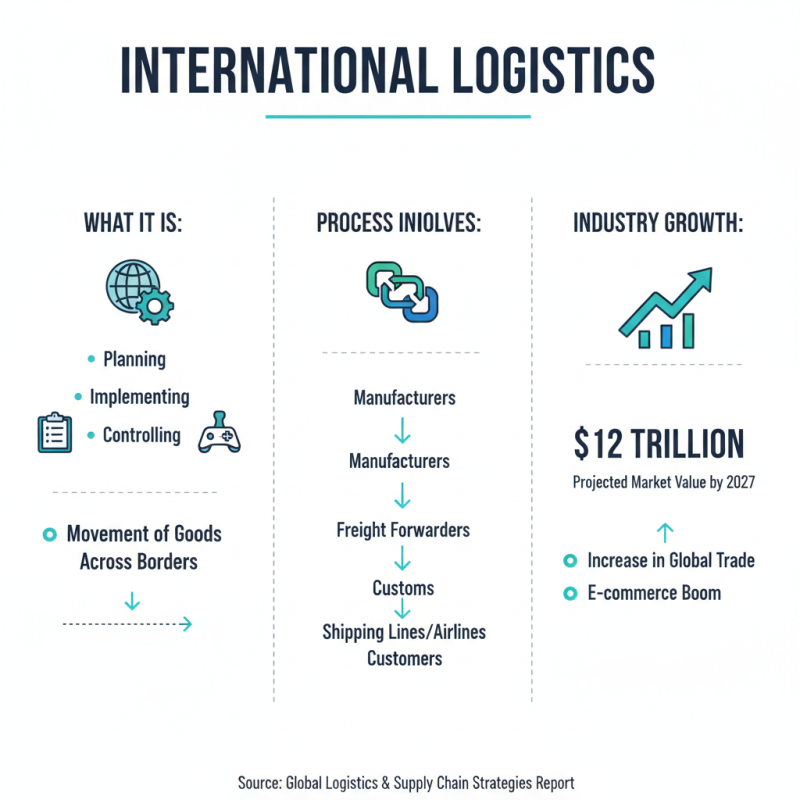
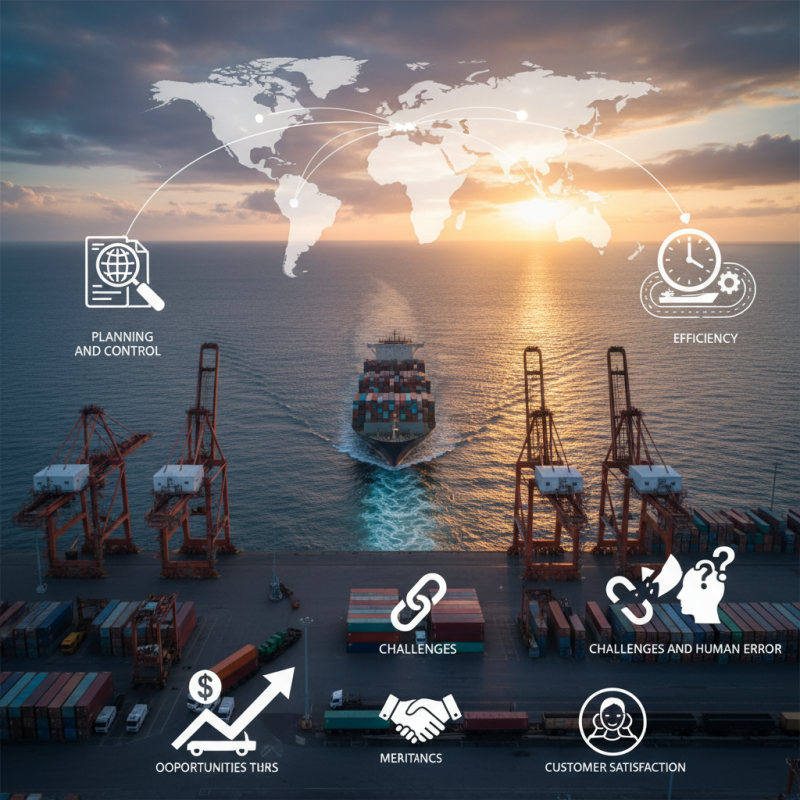
International Logistics plays a crucial role in global trade. It involves the planning, implementation, and control of goods movement across international borders. This field ensures that products reach their destinations efficiently. It encompasses various activities, including transportation, warehousing, and customs clearance.
Managing International Logistics can be complex. Different regulations exist in each country. Delay can happen for many reasons, such as paperwork issues or transportation hurdles. Companies often struggle with navigating these challenges. Despite technology's help, human error remains a factor in logistics operations.
Understanding International Logistics is essential for businesses aiming to thrive globally. It creates opportunities to expand markets and increase revenue. Yet, mistakes in logistics can lead to significant financial losses. Companies need to continually assess their logistics strategies. An effective logistics plan can enhance customer satisfaction and drive success in a competitive environment.
What is International Logistics?
International logistics is a complex process that facilitates the movement of goods across global borders. It involves planning, implementing, and controlling the flow of products. According to a report by the Global Logistics and Supply Chain Strategies, the international logistics industry is projected to reach $12 trillion by 2027. This growth is driven by the increase in global trade and e-commerce, requiring efficient logistics management.
Effective international logistics requires a deep understanding of various factors. For example, customs regulations and tariffs can significantly impact shipping times and costs. In 2021, delayed customs clearances cost businesses an estimated $75 billion in lost revenue globally. Additionally, different countries have unique transportation infrastructures, adding layers of complexity. Shipping routes may be optimal on paper but can encounter real-time challenges like political instability or natural disasters.
Many companies struggle with transparency in their logistics processes. The lack of real-time tracking can lead to mismanaged expectations. A study from the Council of Supply Chain Management Professionals reported that about 60% of businesses experience disruptions due to inadequate logistics oversight. The inability to adapt quickly could result in financial losses and damaged reputations. Continuous improvement and strategic investments are vital for overcoming these challenges in international logistics.
Key Components of International Logistics
International logistics involves the complex processes of transporting goods across borders. It encompasses various key components that ensure smooth operations. One vital aspect is transportation. Choosing the right mode—air, sea, or land—can drastically affect costs and delivery times. Each method has its pros and cons. For example, air transport is faster but often more expensive, while sea transport is economical but slower.
Another crucial component is customs clearance. Navigating the regulations of different countries can be challenging. Delays can occur if all paperwork is not completed correctly. Companies must adapt to these varying requirements for successful shipment. Coordination is essential to avoiding misunderstandings and costly penalties.
Storage and warehousing also play significant roles. Proper inventory management prevents stockouts or excess inventory. Companies struggle with balancing costs and efficiency.
Technology can help, but it requires investment and training. Each component interacts with others, and failure in one area can disrupt the entire process. Learning from past mistakes is vital in refining international logistics strategies.
The Role of Transportation in International Logistics
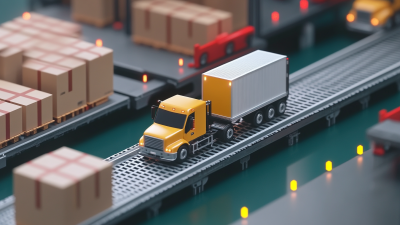
Transportation is a critical component of international logistics. Effective transportation ensures goods reach their destinations on time. According to the Council of Supply Chain Management Professionals, about 70% of total logistics costs come from transportation. This highlights its significance in global supply chains.
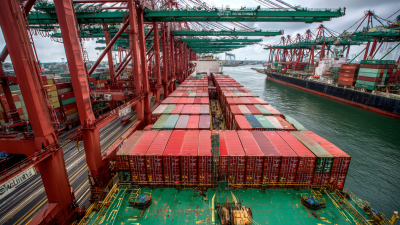
Moving products across borders involves various modes of transport. These include air, sea, rail, and road. Each mode has its advantages. Air transport is fast but often expensive, while sea transport is economical but slower. A recent report showed that 90% of the world's trade occurs via shipping routes. However, the reliance on ocean freight can lead to delays due to weather or port congestion.
Challenges in transportation are common. Customs clearance can be a bottleneck. This can result in unexpected delays and increased costs. According to a recent study, around 20% of shipments face customs-related issues. Infrastructure quality also plays a role in transportation efficiency. Poor infrastructure can hinder timely delivery. These factors highlight the need for improved planning and flexibility in international logistics.
What is International Logistics and How Does It Work? - The Role of Transportation in International Logistics
| Dimension |
Description |
Importance |
Impact on Logistics |
| Transportation Modes |
Different methods of moving goods such as air, sea, rail, and road. |
Critical for selecting the fastest, safest, and most cost-effective route. |
Influences delivery times and overall logistics costs. |
| Customs Clearance |
The process of passing goods through customs so they can enter a country. |
Ensures compliance with legal requirements and avoidance of penalties. |
Affects delivery timelines and costs due to potential delays. |
| Warehousing |
Storage of goods until they are needed for distribution. |
Important for managing inventory and meeting demand. |
Affects inventory costs and supply chain efficiency. |
| Tracking and Reporting |
Monitoring the location and status of shipments in real time. |
Enhances visibility and accountability in the supply chain. |
Improves customer satisfaction by providing timely updates. |
| Risk Management |
Identifying and mitigating risks associated with international shipments. |
Crucial for minimizing losses and ensuring business continuity. |
Impacts reliability and cost-effectiveness of logistics operations. |
Challenges in International Logistics Management
International logistics management faces various challenges that can complicate the transportation of goods across borders. One major issue is customs clearance. Delays during customs inspections can lead to increased costs. Understanding local regulations is crucial but can be overwhelming. Misunderstanding these rules can result in fines or confiscation of goods.
Another significant challenge is managing transportation logistics. Organizing shipments involves multiple carriers and routes. Weather disruptions or unexpected route changes can delay deliveries. Maintaining communication with all parties is essential but often falls short. Lack of clear information can cause confusion and operational hiccups.
Additionally, cultural differences can impact collaboration. Communication styles vary greatly between countries. Misinterpretations can lead to misunderstandings in negotiations. Trust building may take time, affecting the logistics timeline. This complexity underscores the need for effective strategies in international logistics management. Reflecting on these issues is vital for improvement and adaptability.
The Future Trends in International Logistics Systems
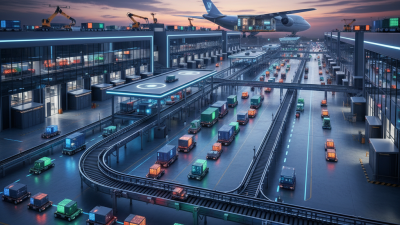
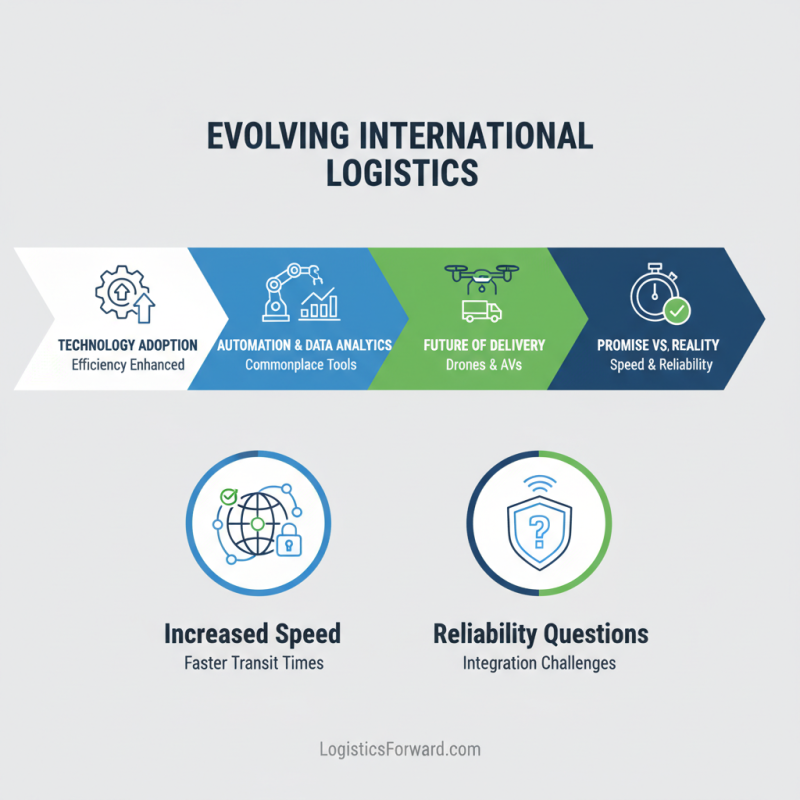
The landscape of international logistics is evolving rapidly. Companies are increasingly adopting technology to enhance efficiency. Automation and data analytics are becoming commonplace. Drones and autonomous vehicles could soon change last-mile delivery. These advancements promise speed but raise questions about reliability.
Sustainability is another critical trend. Businesses are under pressure to reduce their carbon footprints. Using eco-friendly packaging can be a start, but it's not enough. Many still rely on carbon-heavy transportation methods. Addressing these challenges requires a collective effort. Collaboration across industries could lead to innovative solutions.
The role of artificial intelligence is also expanding. AI can optimize routes and reduce costs. Yet, reliance on algorithms can be risky, leading to unexpected failures. It is essential to strike a balance between technology and human oversight. As we move forward, the path for international logistics remains complex and full of opportunities, but also significant challenges.