Global Logistics Tips for Attending the 139th Canton Fair?
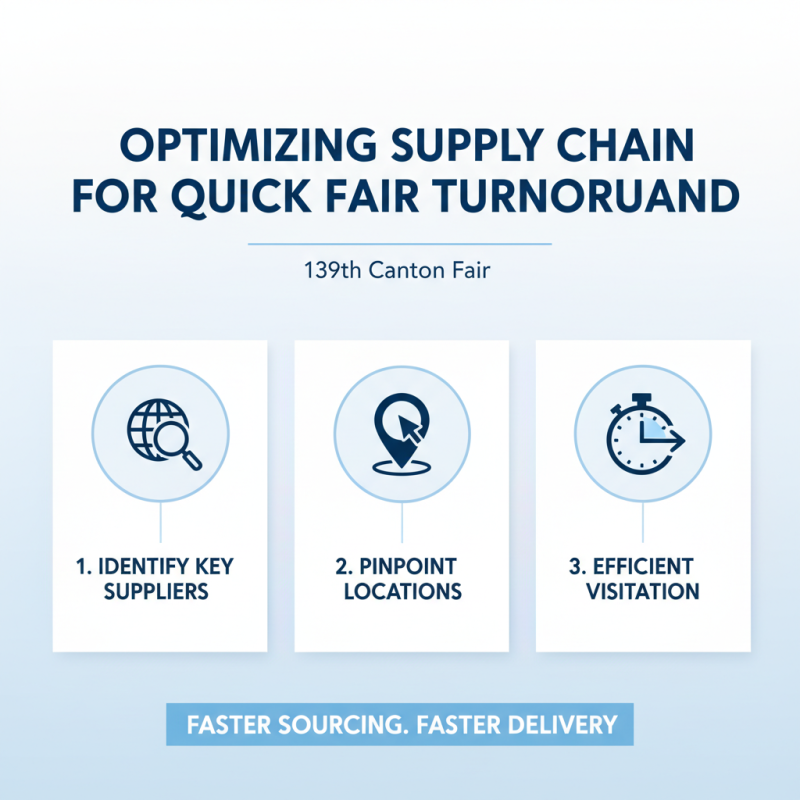
Attending the 139th Canton Fair requires a strong understanding of global logistics. With the event spanning from April 15 to May 5, 2026, it features three distinct phases focusing on advanced manufacturing, quality home goods, and healthcare products. In a world where the global logistics market is projected to surpass $12 trillion by 2028, efficient supply chain management is crucial.
The fair’s integration of AI technology enhances the attendee experience. AI-driven smart navigation allows buyers to locate qualified suppliers efficiently. Reports indicate that companies leveraging AI can boost their operational efficiency by up to 30%. However, navigating such a vast venue—over 1.5 million square meters—can still pose challenges. Attendees must be proactive in planning their routes.
Despite technological advancements, human oversight remains vital. Many buyers may overlook the importance of supplier certifications like ISO and CE. Relying solely on AI could overlook unique supplier characteristics that might meet specific needs. Therefore, while global logistics facilitate streamlined processes, personal connections and detailed supplier evaluations are equally important for successful outcomes at the Canton Fair.
Preparing for the Canton Fair: Essential Steps for Logistics
Attending the 139th Canton Fair requires careful logistics planning. Proper preparation is vital for seamless operations. Data shows that over 200,000 visitors attend this event annually. Many rely on efficient transportation and warehousing solutions.
Start by confirming your transportation requirements. Consider using air freight for urgent shipments. It’s faster but more expensive. A recent logistics report indicates that air cargo costs are rising. Choose sea freight for larger shipments. It’s economical. However, be aware of the longer transit times, which can affect your inventory.
Companies often overlook customs regulations. Understanding these rules is crucial. Failure to comply can lead to delays. A survey revealed that 30% of shipments incur issues at customs. This can disrupt your supply chain. Always have a backup plan. Unexpected challenges occur frequently, especially during peak times. Test your logistics strategy before the fair. Adjusting elements may save time and resources.
Understanding the Venue and Layout of the Canton Fair
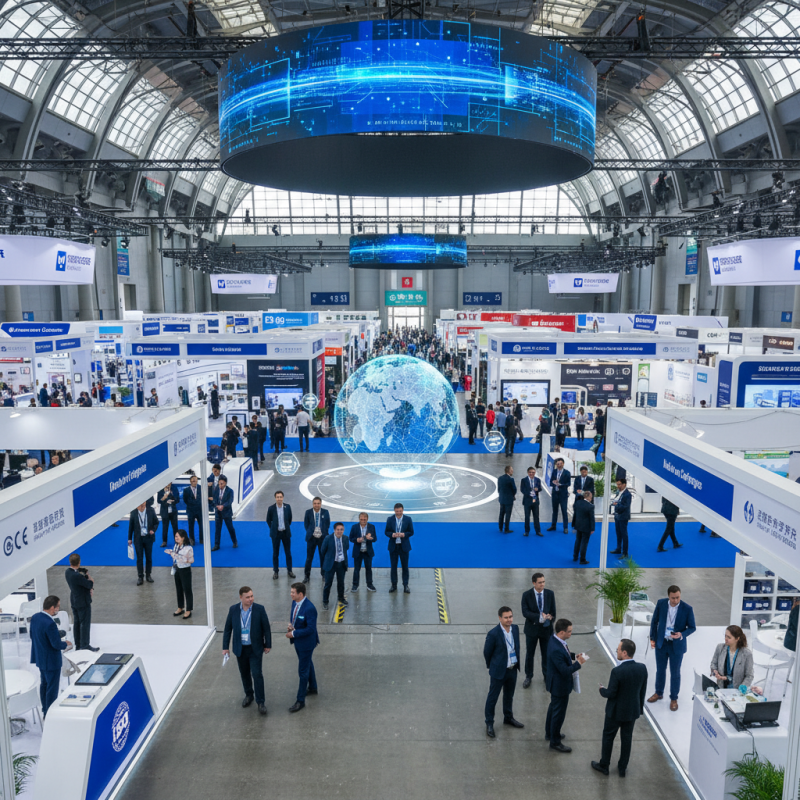
The 139th Canton Fair, as one of the largest trade fairs in the world, requires careful navigation of its vast venue. Spanning over 1.18 million square meters, it features thousands of exhibitors across multiple product categories. To maximize your experience, understanding the layout is crucial. The venue is divided into three phases, each catering to different industries. Knowing which hall suits your business needs can save time and energy.
Tip: Familiarize yourself with the fair's map in advance. This will help you plan your visits. Engage with exhibitors that are most relevant to your interests. Also, arrive early to avoid the crowds. According to industry reports, around 200,000 visitors attend each fair. The rush can be overwhelming, particularly during peak hours.
Navigating the venue is not without challenges. Many international attendees struggle with language barriers. Signs may not be easily understood. Additionally, the sheer size of the fair can lead to fatigue. It’s essential to take breaks and stay hydrated. Allocate time for discovery beyond your initial goals. Sometimes unexpected conversations lead to valuable partnerships.
Strategies for Efficient International Shipping to the Fair
Attending the 139th Canton Fair requires effective international shipping strategies. The challenge often lies in navigating logistics efficiently. Timely delivery is crucial. Research reliable shipping companies that have experience with trade shows. Ensure they understand the importance of deadlines. Inspect their shipping options carefully.
Consider the terms of delivery. Incoterms can greatly impact your shipping process. Familiarize yourself with terms like FOB and CIF. These can affect costs and responsibilities. Additionally, plan for customs clearance in advance. Unforeseen delays can occur. Prepare your documentation early to avoid hiccups.
Packing matters too. Use sturdy materials to protect your goods. Weight and size should align with shipping restrictions. Double-check regulations for restricted items. Some manufacturers may overlook this, leading to issues. Always calculate shipping costs accurately to prevent surprises. Efficient international shipping to the fair is an ongoing learning process.
Global Logistics Tips for Attending the 139th Canton Fair
Customs Regulations and Documentation for Importing Goods
When attending the 139th Canton Fair, understanding customs regulations is crucial. Importing goods involves specific documentation. You need to have an accurate invoice, packing list, and, if necessary, certificates for certain products. Each shipment must be clearly documented to avoid delays. Some importers may overlook this step. That's where issues arise.
It's essential to check local customs requirements. Each country has different rules for imported goods. Some items require additional permits or inspections. Be wary of these regulations to prevent unexpected fees. Missing documentation can lead to clearance problems. Sometimes, additional inspections can cause longer wait times at customs.
Also, keep track of the Harmonized System Codes (HS Codes). These codes help classify products. Proper classification can expedite the import process. There's no room for guessing here. Errors can lead to fines or shipment rejection. Make sure to review all documents multiple times. Attention to detail is key. The stakes are high, and any mistakes could impact your business.