What is Global Logistics and Why is it Important?
Global Logistics plays a crucial role in today's interconnected economy. In 2022, the global logistics market size reached approximately $8.6 trillion. This figure highlights the increasing importance of efficient and effective logistics systems. The rise of e-commerce has further accelerated the demand for quality logistics services. Companies must adapt to real-time data and technology for optimization.
However, many businesses still face challenges in managing their logistics operations. Inefficiencies can lead to delays and increased costs. A report from the World Bank indicates that poor logistics can increase the cost of goods by up to 30%. This reality calls for a strategic approach to enhance logistical processes.
Logistics not only impacts businesses but also influences customer satisfaction. A timely delivery can make or break a customer's experience. As companies strive to meet consumer expectations, the significance of Global Logistics continues to grow. Investing in optimal logistics solutions is not just a necessity but a competitive edge in the current landscape. Reflecting on existing practices is essential for improvement.
Definition of Global Logistics: Key Concepts and Components
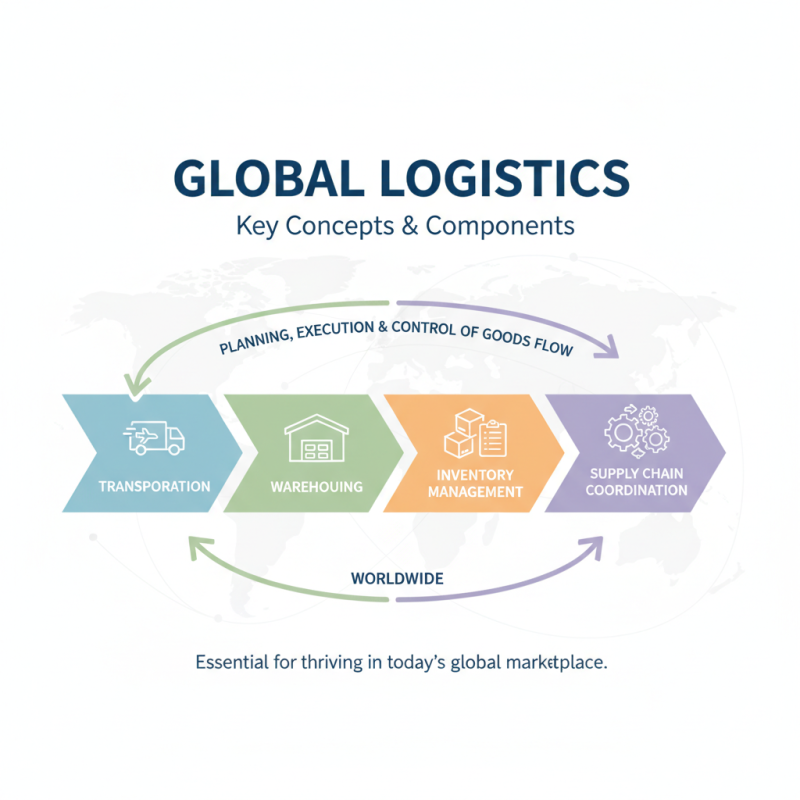
Global logistics involves the planning, execution, and control of the flow of goods worldwide. It encompasses various key concepts like transportation, warehousing, inventory management, and supply chain coordination. Understanding these components is vital for businesses aiming to thrive in today's global marketplace.
Transportation is a critical aspect. It ensures that products reach their destinations on time and in good condition. Various modes are available, including air, sea, and land transport. Each mode has its advantages and challenges. For instance, air transport is fast but often expensive. Sea transport is cost-efficient but slower.
Inventory management plays a crucial role. It balances supply and demand effectively. Poor management can lead to either excess stock or stockouts. Both scenarios affect profit margins. Implementing just-in-time inventory can help mitigate these issues.
Tips: Always consider local regulations when shipping internationally. Understanding customs can prevent delays. Additionally, ensure proper packaging to minimize damage in transit. Regularly reviewing logistics strategies can reveal inefficiencies and areas for improvement. Reflect on past shipments to refine future processes.
The Role of Global Logistics in International Trade and Economy
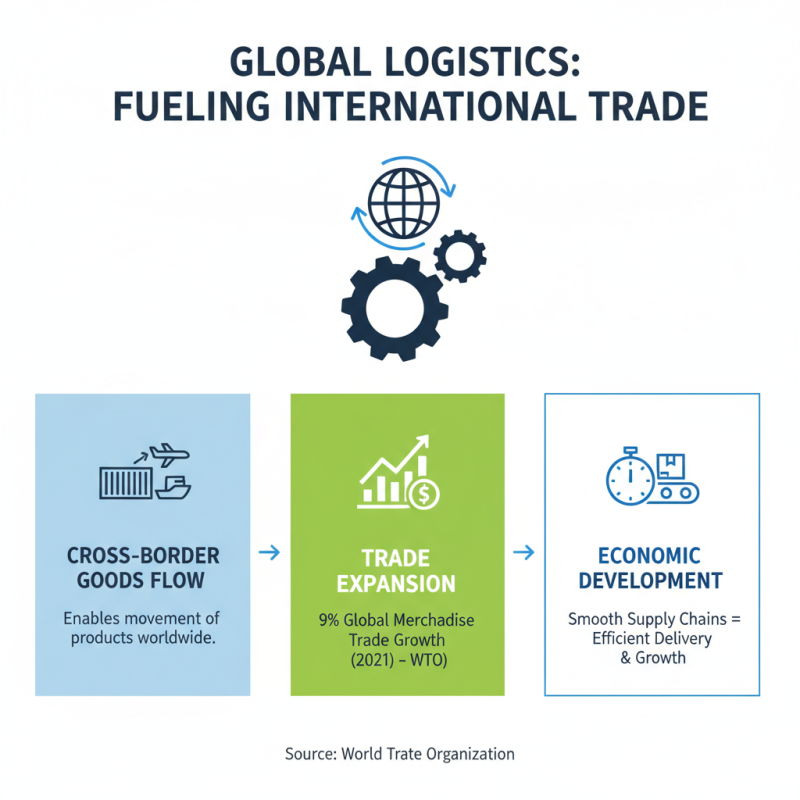
Global logistics is essential for today's interconnected world. It supports international trade by enabling the movement of goods across borders. According to the World Trade Organization, global merchandise trade expanded by 9% in 2021. This rapid growth highlights how logistics is crucial to economic development. Companies rely on smooth supply chains to deliver products efficiently.
The role of logistics extends beyond just transportation. It includes warehousing, inventory management, and distribution. The Council of Supply Chain Management Professionals reports that transportation costs account for 50% of a product's total logistics costs. Effective logistics strategies can reduce these costs, leading to increased competitiveness. This is especially vital for small and medium enterprises that seek to enter global markets.
**Tip:** Invest in technology. Tools like data analytics can enhance visibility. This allows companies to track shipments in real time.
Despite advancements, challenges persist. Delays at ports and disruptions in supply chains are common. A lack of infrastructure in certain regions can exacerbate issues. Companies must remain adaptable and agile to navigate these hurdles.
**Tip:** Foster strong relationships with logistics partners. Collaboration can lead to innovative solutions. This strengthens your supply chain's resilience.
Benefits of Efficient Global Logistics for Businesses and Consumers
Global logistics profoundly influences both businesses and consumers. Efficient logistics systems facilitate quicker deliveries. This leads to increased customer satisfaction. When products arrive on time, it builds trust. For businesses, streamlined logistics reduce costs. Companies can save on storage and transportation. This directly impacts their bottom line.
Tips for improving logistics:
Evaluate your supply chain regularly. Identify bottlenecks and seek solutions. Small adjustments can make a big difference. Invest in technologies that enhance tracking and efficiency. Real-time data can help make informed decisions.
Consumers benefit from well-organized logistics as well. They receive products faster, enhancing the shopping experience. However, logistics can sometimes be unpredictable. Delays happen, and transparency is vital. Consumers appreciate knowing when to expect their orders. Clear communication helps manage expectations.
Businesses should reflect on their logistics processes. Are they meeting consumer needs? Continuous improvement is essential for success. Consider feedback from customers to make necessary changes. Balancing efficiency and transparency is key to thriving in the global market.
Challenges and Risks in Global Logistics Management
Global logistics involves the intricate process of planning, implementing, and controlling the flow of goods worldwide. However, managing it comes with significant challenges and risks. The logistics sector faces pressure from rising consumer expectations. Reports indicate that 69% of customers expect real-time tracking. This demand can strain logistics networks, especially during peak seasons.
Supply chain disruptions are another major concern. A survey found that 75% of companies encountered disruptions in 2020. Events like natural disasters, pandemics, or political instability can halt operations unexpectedly. Companies often have to navigate complex regulations in different countries. Misunderstandings can lead to delays and increased costs. Moreover, gaps in communication between stakeholders can exacerbate these issues.
Cybersecurity is an emerging risk in global logistics. With more businesses relying on technology, cyber-attacks are on the rise. A report showed that 60% of logistics firms experienced a cyber threat in the last year. Many companies struggle with inadequate cybersecurity protocols, putting sensitive data at risk. Addressing these challenges requires continuous improvement and proactive strategies.
What is Global Logistics and Why is it Important? - Challenges and Risks in Global Logistics Management
| Dimension |
Description |
Challenges |
Risks |
| Cost Management |
Managing logistics costs while maintaining quality. |
Rising fuel prices, labor costs. |
Budget overruns, reduced profits. |
| Supply Chain Visibility |
Tracking goods throughout the supply chain. |
Lack of real-time data, siloed information. |
Delayed shipments, lost goods. |
| Regulatory Compliance |
Adhering to international shipping laws and regulations. |
Complexity of regulations across regions. |
Fines, legal issues. |
| Risk Management |
Identifying and mitigating risks in logistics. |
Natural disasters, geopolitical issues. |
Disrupted operations, increased costs. |
| Technology Integration |
Using technology to improve logistics efficiency. |
High implementation costs, training requirements. |
System failures, data breaches. |
Future Trends and Innovations in Global Logistics Systems
The landscape of global logistics is evolving rapidly. Technology shapes every aspect of logistics systems. Innovations in automation and data analytics are game-changers. They enhance efficiency and reduce costs. Drones and autonomous vehicles appear as potential solutions for faster deliveries. These trends promise to streamline operations, but they also pose challenges.
There is a rising need to address cybersecurity issues. As more businesses rely on digital tools, vulnerabilities increase. Supply chain disruptions can lead to significant losses. Companies must invest in safety protocols to safeguard data. Additionally, sustainability trends are pushing logistics systems to become greener. This shift requires a rethink of existing practices. Reducing carbon footprints while maintaining efficiency is not easy. Businesses need to balance profitability with environmental responsibility.
Furthermore, emerging technologies like blockchain enhance transparency. This can build trust among consumers and partners. However, integrating such technologies is daunting for many firms. There is a learning curve and potential resistance to change. The future of global logistics is bright, yet it is not without obstacles. Each innovation carries its own set of complexities that need careful consideration.
Importance of Global Logistics
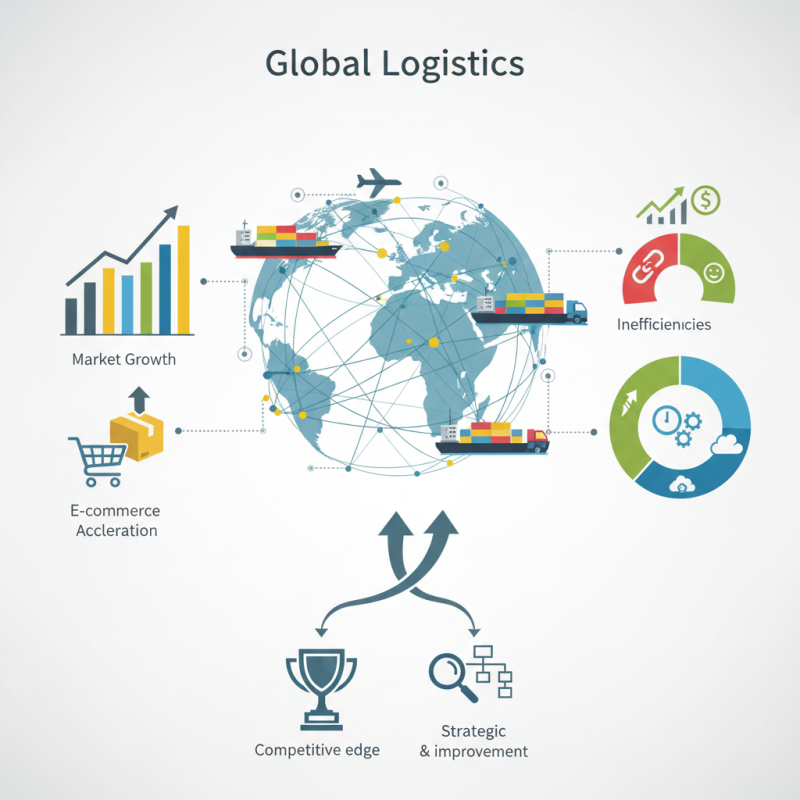
The chart below illustrates the significance of various factors influencing global logistics efficiency, highlighting trends in transportation, warehousing, and technology implementation over the past year.