Leave Your Message

Essential Tips for LTL Shipping Success in Your Business

In the fast-paced world of logistics, mastering LTL shipping is essential for businesses seeking efficiency. Less-than-truckload (LTL) shipping has unique challenges. Understanding these can lead to smoother operations. Many companies underestimate the importance of proper planning. This often leads to delays and increased costs.

Choosing the right carrier is a critical factor in achieving LTL shipping success. Not all carriers offer the same services, and pricing structures can vary widely. Businesses should carefully assess their needs. Hidden fees can turn a good deal into a bad one quickly. It's vital to read the fine print and ask questions.

Effective communication is another important aspect. This includes keeping customers informed about shipment status. Miscommunication can result in frustrated clients and lost business. By being transparent and proactive, companies can build trust in their shipping processes. Overall, optimizing LTL shipping demands attention to detail and a willingness to learn from mistakes.

Essential Tips for LTL Shipping Success in Your Business

Understanding LTL Shipping: Definition and Benefits for Businesses

LTL shipping, or less-than-truckload shipping, provides an efficient solution for businesses that need to transport smaller loads. Instead of paying for a full truck, companies share shipping space with others. This approach reduces costs significantly. For small and medium-sized enterprises, LTL shipping can be a game-changer. It helps manage budget constraints while still reaching customers quickly.

Understanding LTL shipping's benefits is crucial. It allows businesses to access a wider network without the burden of full truckload rates. With flexible shipment sizes, it accommodates varying inventory needs. However, some might find the scheduling complex. Tracking shipments can be less straightforward than with full loads. Companies must continually refine their logistics strategies to mitigate these challenges. Collaborating closely with carriers can enhance visibility and efficiency in the shipping process.

Essential Tips for LTL Shipping Success in Your Business

Dimension Details
Definition of LTL Shipping Less Than Truckload shipping is a freight transport method used for shipments that do not require a full truck. This allows for cost-effective transport of smaller loads.
Cost Efficiency LTL shipping reduces transportation costs by sharing truck space among multiple shipments, making it cost-effective for smaller businesses.
Flexibility LTL shipping offers more flexible scheduling options and routes, accommodating diverse shipping needs for businesses.
Tracking Most LTL carriers provide online tracking tools, allowing businesses to monitor their shipments in real time.
Environmental Benefits By consolidating shipments, LTL shipping reduces the number of trucks on the road, which can lead to lower carbon emissions and a smaller environmental footprint.
Ideal Use Cases LTL shipping is ideal for businesses that need to transport goods weighing between 150 and 15,000 pounds and who do not have enough freight to fill an entire truck.

Key Factors to Consider When Choosing an LTL Carrier

Choosing the right LTL carrier is crucial for your business. There are many factors to consider. Start with reliability. A dependable carrier ensures your goods arrive on time. Check their track record and customer reviews. Ask others in your industry about their experiences. This can reveal patterns of service quality.

Next, look at pricing. While cost is important, it shouldn’t be the only factor. Cheaper is not always better. Understand the pricing structure. Some carriers may have hidden fees. Transparency is key. Evaluate the value you receive for the price you pay.

Finally, consider the carrier's technology. Are they using modern tracking systems? This impacts visibility of your shipments. Real-time updates are essential. If a carrier lacks these features, it might be time to rethink your choice. Using outdated systems can create confusion and delays. Your choice of carrier can make or break your shipping success.

Essential Tips for LTL Shipping Success in Your Business

Best Practices for Packaging and Labeling LTL Shipments

Essential Tips for LTL Shipping Success in Your Business

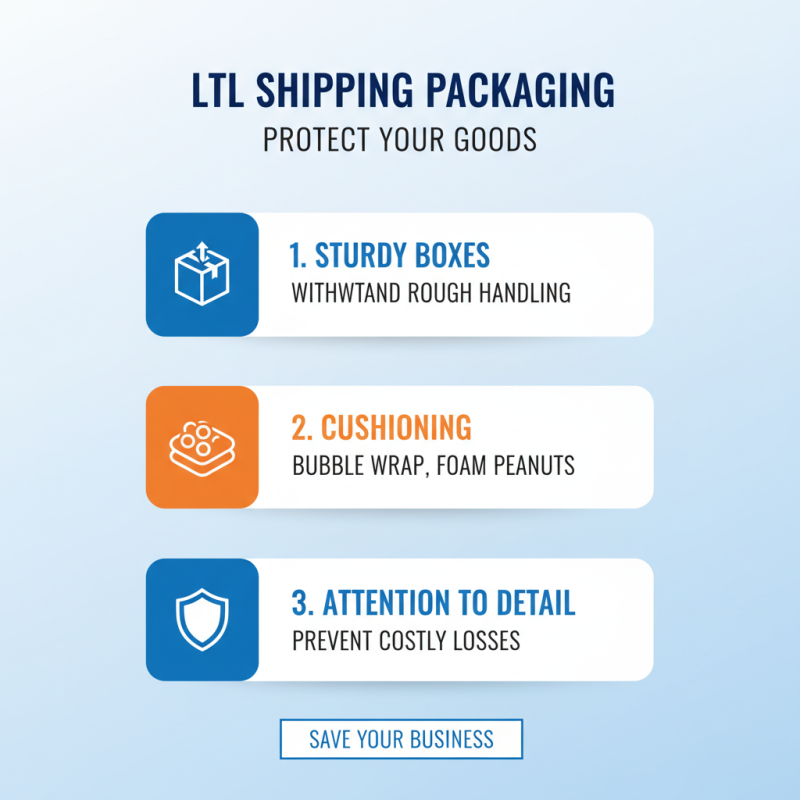
When it comes to LTL shipping, effective packaging is crucial. Proper packaging protects your goods from damage during transit. Use sturdy boxes that can withstand rough handling. Make sure the items inside are cushioned with materials like bubble wrap or foam peanuts. This attention to detail can save your business from costly losses.

Labeling is just as important. Clear and accurate labels help carriers and recipients identify the package. Include essential information like the destination address and contact numbers. It’s also wise to add handling instructions. Use bold fonts and bright colors to catch attention. Mistakes in labeling can lead to delays and confusion.

Reflect on your current processes. Are your packages consistently shipped without issues? Review past shipments for any signs of damage or mislabeling. Learning from these experiences can enhance future efficiency. Remember, small changes in packaging and labeling can significantly affect your overall success in LTL shipping.

Cost Management Strategies for Effective LTL Shipping

Essential Tips for LTL Shipping Success in Your Business

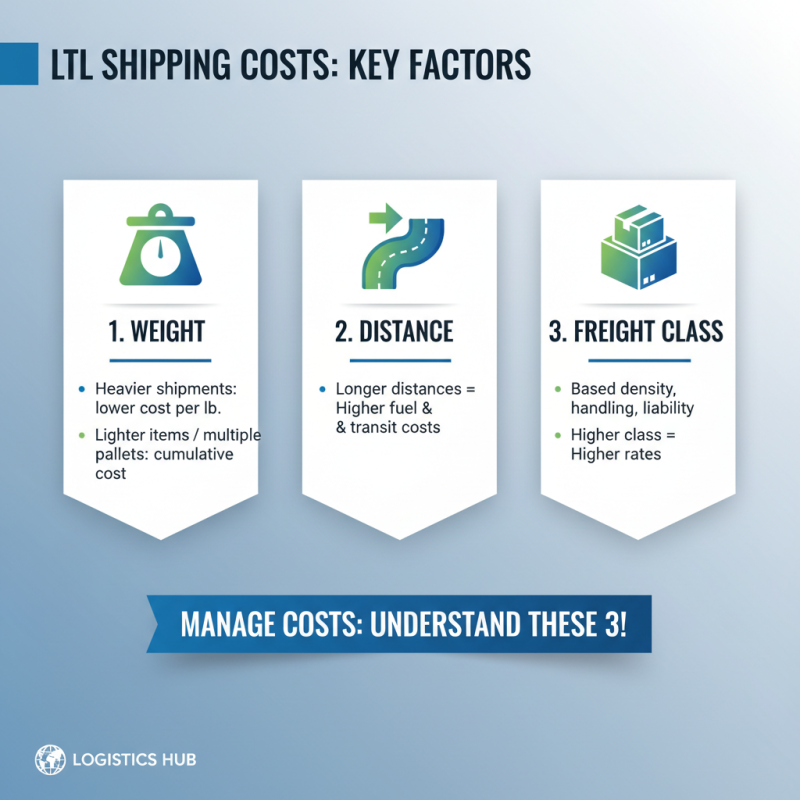
LTL shipping can be a complex process. Cost management is crucial for businesses relying on it. Understanding the factors affecting shipping costs is the first step. You need to evaluate weight, distance, and freight class. Each of these influences the final price. A heavy shipment might seem costly, yet lighter items spread over multiple pallets can add up.

Explore different carriers and their rates. Some may offer a better price but slower service. Establish relationships with multiple providers. This allows for flexibility and sometimes better pricing. Review your current shipping practices. Are there inefficiencies? Maybe you're overpaying for services you don't need.

Negotiating with carriers is vital. Always seek discounts for frequent shipments. Discuss any fluctuations in your shipping volume. A reliable forecast can help your negotiating power. Awareness of your shipping costs will lead to smarter decisions. Regular audits can reveal unexpected costs or savings. Such reflections can enhance your overall budget management.

Navigating Common Challenges in LTL Shipping Logistics

LTL (Less Than Truckload) shipping offers flexibility but comes with its own set of challenges. One common issue is managing shipment delays. With multiple shipments on one truck, delays can easily arise due to scheduling conflicts. It's essential to communicate with carriers regularly to understand potential delays and manage expectations.

Another challenge is accurate freight classification. Misclassification can lead to unexpected costs. To avoid this, invest time in understanding the classification system. Use precise weight and dimension measurements for your shipments. This simple step can save money and prevent disputes.

Tip: Use a reliable LTL management software. It can help in tracking shipments and managing paperwork. Automating these processes minimizes errors and enhances efficiency. Routine audits of your shipping practices can reveal hidden inefficiencies. Reflecting on these shortcomings can lead to significant improvements in your logistics.