How to Choose the Best 3PL Logistics Partner for Your Business Needs
In the dynamic landscape of modern business, choosing the right 3PL logistics partner is a critical decision that can significantly impact the efficiency and success of operations. As Derek Leathers, a renowned expert in the 3PL logistics industry, once stated, “The right logistics partner can transform your supply chain into a competitive advantage.” With the ever-evolving demands of consumers and the complexities of global trade, aligning with a proficient 3PL logistics provider ensures that businesses can optimize their logistics functions, reduce operational costs, and enhance customer satisfaction.
When evaluating potential partners, it is essential to consider various factors, including their expertise in specific markets, technology capabilities, and adaptability to meet unique business needs. Companies must thoroughly assess their logistics goals and operational requirements to identify a 3PL logistics partner that not only meets their immediate needs but can also facilitate growth and scalability in the future. This introductory guide will explore the key considerations and strategies for selecting the ideal 3PL logistics partner to empower your business in an increasingly competitive environment.

Understanding the Role of 3PL in Modern Supply Chain Management
In today's dynamic business environment, understanding the role of Third-Party Logistics (3PL) in modern supply chain management is crucial for optimizing operations. 3PL providers enable businesses to outsource their logistics functions such as warehousing, transportation, and inventory management. This allows companies to focus on their core competencies while benefiting from the specialized expertise and resources of a logistics partner. By leveraging 3PL services, businesses can achieve greater flexibility, scalability, and efficiency within their supply chains.
Tips for Choosing the Right 3PL Partner
Tips for choosing the right 3PL partner include evaluating their technology capabilities. A proficient 3PL should offer advanced tracking and inventory management systems, enabling real-time visibility of your goods. This technological edge helps businesses respond quickly to market demands and enhance customer satisfaction. Additionally, consider the provider's experience and industry knowledge, as it influences their ability to tailor solutions that meet specific needs.
Another vital aspect is communication. Effective collaboration between your business and the 3PL provider is key to a seamless supply chain. Look for a partner who emphasizes transparency and maintains regular updates on shipment status and performance metrics. This fosters a proactive relationship that can help in identifying potential issues before they escalate and encourages continuous improvement throughout the logistics process.
Key Metrics to Evaluate 3PL Logistics Provider Performance
When selecting a 3PL logistics partner, it is essential to evaluate specific performance metrics that align with your business needs. Key metrics include order accuracy, inventory turnover, and delivery speed. According to the Council of Supply Chain Management Professionals (CSCMP), companies with high order accuracy can achieve operational efficiencies of up to 20% and significantly enhance customer satisfaction. Additionally, tracking inventory turnover rates can provide insights into product demand and warehouse efficiency. A study from the Institute for Supply Management suggests that improving inventory turnover can lead to increased cash flow and reduced holding costs.
Tips: When assessing a potential 3PL provider, ensure you ask about their methods for measuring these key metrics. This will help you understand their operational capabilities and the technology they employ for performance tracking. It's also beneficial to request case studies or testimonials to see how they have improved these metrics for other clients.
Another important performance metric is the flexibility of the 3PL provider in adapting to seasonal demand fluctuations. According to a survey by Logistics Management, 73% of companies reported that their logistics providers need to be agile enough to respond to changes in market conditions. This adaptability can be critical during peak seasons or unexpected market shifts, highlighting the importance of choosing a provider that can meet your dynamic logistics needs.
Assessing Compatibility: Aligning 3PL Capabilities with Business Goals
When selecting a third-party logistics (3PL) partner, assessing compatibility with your business goals is crucial. Begin by identifying the specific logistics capabilities that are essential for your organization. Consider elements such as inventory management, transportation services, and warehousing solutions. This process can help you create a clear picture of what you expect from your 3PL provider and how their offerings can align with your operational needs. Engaging stakeholders from various departments in this assessment ensures a comprehensive understanding of the logistical challenges and requirements inherent to your business.
Once you've outlined your needs, evaluate potential 3PL partners based on their ability to adapt to your unique business model. This includes reviewing their technology and systems integration capabilities, which can significantly impact efficiency and communication. Additionally, consider their track record in your industry and the flexibility of their services. A compatible 3PL partner should not only be able to meet your current demands but also exhibit a willingness to grow alongside your business, providing scalable solutions as your needs evolve. Building a relationship based on mutual goals fosters a successful partnership that drives operational excellence and strategic alignment.
Evaluating Compatibility of 3PL Logistics Partners
Exploring Industry Trends: The Growth of 3PL Services and Technology
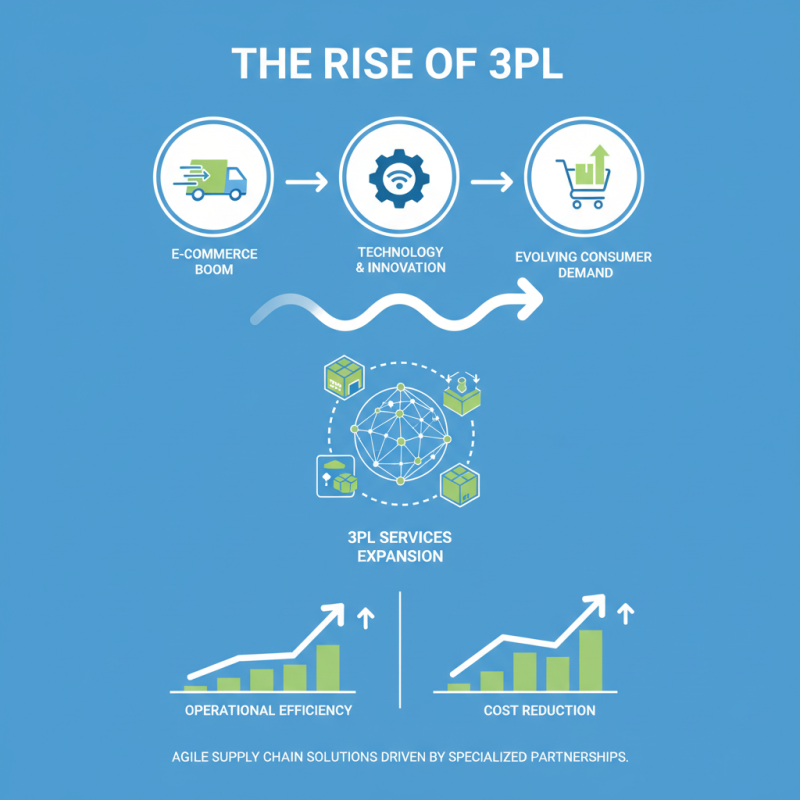
The logistics industry is witnessing a transformative shift with the increasing reliance on third-party logistics (3PL) services, driven by advancements in technology and changing consumer expectations. As e-commerce continues to soar, businesses are recognizing the need for agile supply chain solutions that can adapt to fluctuating demand. This has led to the proliferation of 3PL providers who offer a spectrum of services, from warehousing and distribution to inventory management and fulfillment. The growth of 3PL services is not merely a response to market demands; it reflects the broader trend of outsourcing logistical functions to specialized partners that can enhance operational efficiency and reduce costs.
Technology plays a pivotal role in the evolution of 3PL services. Innovations such as real-time tracking systems, automated warehousing solutions, and data analytics are revolutionizing how logistics providers operate. These technological advancements enable companies to optimize their supply chains, improve visibility, and enhance customer satisfaction. Furthermore, the integration of artificial intelligence and machine learning allows 3PL providers to predict trends and streamline operations, ensuring that businesses can maintain a competitive edge in a rapidly changing marketplace. As these trends continue to evolve, choosing the right 3PL logistics partner will become increasingly critical for businesses aiming to thrive in a dynamic environment.
Cost-Benefit Analysis: Budgeting for 3PL Partnerships in Your Business
When considering a partnership with a third-party logistics (3PL) provider, conducting a cost-benefit analysis is essential in aligning your budget with your operational needs. According to a report by Armstrong & Associates, companies that successfully implement 3PL partnerships can save between 10% to 30% on logistics costs. This significant potential for savings may stem from reduced overhead, access to advanced technology, and increased efficiency in supply chain management. By understanding the financial implications of partnering with a 3PL, businesses can allocate resources effectively while maintaining competitive pricing in their own offerings.
Moreover, as highlighted in the Logistics Management 2021 Annual Survey, 65% of companies reported improved customer satisfaction after outsourcing their logistics functions. This enhancement can justify the upfront costs associated with 3PL services, providing a compelling rationale for investment. Additionally, with the time and expertise 3PL providers bring, companies can focus their internal efforts on core business objectives rather than logistical complexities, which is invaluable in today’s fast-paced market. By assessing both the quantitative savings and qualitative improvements, businesses can make informed decisions about integrating 3PL services into their logistics strategy, ultimately fostering growth and enhancing operational agility.
Cost-Benefit Analysis: Budgeting for 3PL Partnerships in Your Business
| Logistics Service |
Monthly Cost ($) |
Services Offered |
Average Delivery Time (days) |
Customer Satisfaction (%) |
| Standard 3PL Services |
$2,500 |
Warehousing, Transportation, Distribution |
3 |
85 |
| Refrigerated Logistics |
$3,800 |
Temperature-Controlled Transport, Storage |
4 |
90 |
| E-commerce Fulfillment |
$1,800 |
Pick & Pack, Same-Day Shipping |
2 |
95 |
| Heavy Freight Logistics |
$4,200 |
Heavy Equipment Transport, Oversized Loads |
7 |
82 |
| Last-Mile Delivery |
$1,200 |
Local Delivery, Package Tracking |
1 |
92 |