How to Choose the Right 3rd Party Logistics Provider for Your Business?
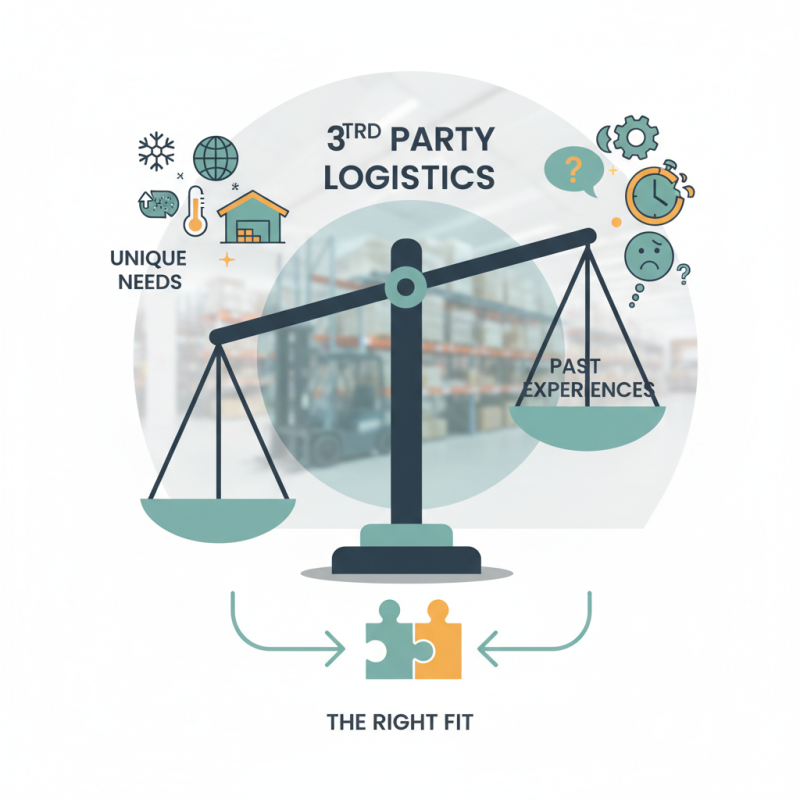
Choosing the right 3rd Party Logistics (3PL) provider can shape your business success. Many companies underestimate this decision. A poor choice can lead to delays and customer dissatisfaction. Thus, understanding the right fit is critical.
Consider your unique needs. Do you require specialized services? If your products need temperature control, look for 3PLs with cold storage capabilities. If you sell globally, seek providers with international experience. Your specific requirements will guide your choice.
Reflect on your past experiences with logistics. Did previous providers meet your expectations? Were there issues with communication or timeliness? Such reflections can help you avoid repeating mistakes. A balanced approach is essential for a successful partnership.
Identify Your Business Needs and Logistics Requirements
When selecting a third-party logistics (3PL) provider, it’s crucial to know your business needs. Start by assessing your current logistics situation. What are the pain points? Are you facing delays? High costs? Recognizing these issues is a vital step. Consider aspects like shipping volume and speed. Will you need warehousing services? Analyze your peak seasons too.
Next, outline your specific logistics requirements. Are tailored solutions necessary? Does your product have unique handling requirements? This can affect your choice significantly. Communication must also be a priority. You want a provider who understands your goals. Access to real-time tracking can be essential. Understanding costs upfront is important, but be wary of hidden fees.
Gaining clarity on your needs will help narrow down potential providers. However, it’s easy to overlook this crucial part of the equation. Don’t rush in. Reflect on what you truly need. Regular evaluation is key as business scales. Adapting to changes ensures your logistics strategy remains effective.
Research Potential 3rd Party Logistics Providers
When researching potential third-party logistics (3PL) providers, you must gather crucial information. Start by identifying your specific needs. Consider the type of products you deliver and the volume of shipments. A provider specializing in your industry can often offer better services.
Look for providers with good reviews. Online forums and client testimonials can reveal their strengths and weaknesses. Don't rely solely on flashy websites. Engage directly with potential providers to understand their operations. Ask about their technology and tracking systems. This helps gauge their efficiency and transparency.
Evaluate their service area. Smaller providers may excel in local deliveries, while larger ones might cover nationwide or international needs. Reflect on your growth plans. A provider that can adapt to your expanding needs will be beneficial. Lastly, ensure they can handle potential challenges. Ask how they manage issues like delays or damage. This conversation can be revealing, showing their commitment to customer service.
Evaluate Provider Capabilities and Services Offered
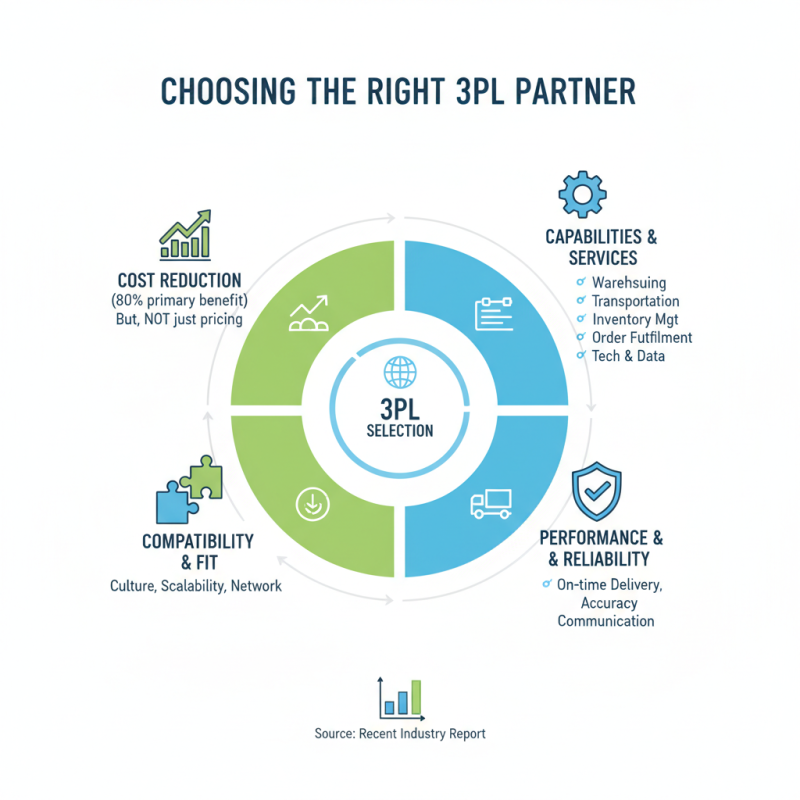
Choosing the right third-party logistics (3PL) provider is crucial. Evaluate each provider's capabilities and services offered. A recent report indicates that 80% of companies cite cost reduction as a primary benefit of using 3PLs. Yet, pricing alone does not reveal the entire story.
Consider specific services like warehousing, transportation, or technology support. Not every provider excels in all areas. For instance, a provider may offer advanced tracking technology but lack efficient inventory management. A study shows that 55% of companies prioritize technology when selecting a 3PL. This statistic highlights the need for alignment between your business's unique needs and the provider's strengths.
Moreover, assess the provider's flexibility. Can they scale operations based on your demands? Companies often overlook this aspect. A rigid provider can hinder your growth and responsiveness. Look for those willing to adapt to your evolving requirements. Finally, understanding past performance and customer satisfaction can guide your decision. As much as data informs choices, intuition also plays a role. Making a wrong choice may lead to costly disruptions.
Assess Pricing Models and Contract Terms
When selecting a third-party logistics (3PL) provider, pricing models and contract terms play a crucial role. Different providers offer varied pricing structures. Some may charge a flat fee, while others operate on a pay-per-use basis. Understanding these terms helps assess which model fits your budget. It’s essential to analyze how these costs align with your operational needs. Some companies have faced financial strain due to hidden fees in contracts. Always read the fine print.
Contract terms can be lengthy and complex. Look for clauses on service levels and penalties for non-compliance. A flexible agreement often benefits both parties. However, rigid contracts may lead to unwanted constraints. Reflect on the duration of the contract. Shorter agreements may allow businesses to pivot quickly if expectations are not met.
Engage in discussions with potential providers. Ask tough questions about pricing and services. A good provider should be transparent about their processes and costs. If answers seem vague, think twice. Sometimes, a cheaper option comes with hidden challenges. Evaluate carefully to avoid regrets down the line.
How to Choose the Right 3rd Party Logistics Provider for Your Business? - Assess Pricing Models and Contract Terms
| Provider Type |
Service Offered |
Pricing Model |
Contract Length |
Flexibility |
| Full-Service 3PL |
Warehousing, Fulfillment, Transportation |
Cost-Plus |
12 months |
Moderate |
| Transportation 3PL |
Freight Brokerage, Asset-based |
Flat Rate |
6 months |
High |
| Specialized 3PL |
Temperature-Controlled, Hazardous Materials |
Tiered Pricing |
24 months |
Low |
| E-commerce 3PL |
Order Fulfillment, Returns Management |
Variable Pricing |
12 months |
High |
| Freight Forwarding |
International Shipping, Customs Clearance |
Commission-Based |
12 to 36 months |
Medium |
Consider Provider Reputation and Customer Reviews
When selecting a third-party logistics provider, understanding their reputation is key. Start by researching online reviews and testimonials. It's not just about ratings; look at what customers say. Positive comments often highlight reliability and responsiveness. On the flip side, negative reviews can reveal potential issues like delays or poor communication.
Consider the context of these reviews. A few negative comments might not mean much if the provider has an overall solid track record. However, consistent complaints can be red flags. Dive deeper into the details of reviews. Pay attention to specific experiences that resonate with your needs. Don't avoid asking former clients directly about their experiences.
Reputation alone isn’t everything. Newer companies can excel, but they may lack a history. Balancing customer feedback with your specific needs is crucial. Look for a provider that understands your industry. This approach ensures that you make a well-rounded decision. A provider's past could impact your future logistics success. Choose wisely.
Provider Reputation and Customer Reviews