How to Choose Less Than Truckload Shipping for Your Business?
Choosing the right shipping method can be challenging for businesses. One popular option is Less Than Truckload Shipping (LTL). This method suits companies that need to transport smaller freight loads without paying for an entire truck.
With LTL, you share space with other shipments. This can save money and reduce waste. However, it isn’t always the perfect solution. You may encounter longer transit times due to multiple stops. This requires careful planning to ensure timely deliveries.
When considering LTL, examine your shipping frequency and volume. Will it meet your needs? Understanding your products will help you choose wisely. A precise approach can lead to cost savings, while a rush decision may lead to issues. Balancing efficiency and budget is critical for smart logistics.
Understanding Less Than Truckload (LTL) Shipping: An Overview
Less Than Truckload (LTL) shipping is a cost-effective solution for businesses that don’t ship full truckloads. This method involves combining multiple shipments from different customers onto one truck. It’s an efficient option for smaller shipments, typically ranging from 150 to 15,000 pounds. Many companies prefer LTL because it offers flexibility and reduces costs compared to full truckload shipping.
Understanding the intricacies of LTL shipping is crucial. The shipping process can be complex, with various factors to consider. For example, freight class, dimensions, and weight can all impact pricing. Furthermore, unexpected delays may occur, and sometimes, the delivery might not meet your timeline. It’s essential to communicate effectively with your shipping provider to minimize these issues. Your specific needs may vary, so ensure you ask questions and clarify doubts.
Many businesses find that LTL shipping helps improve their overall logistics strategy. However, it is not without its challenges. Some shipments may arrive damaged due to handling during transit. Mistakes in documentation can also lead to increased costs, causing frustration. Regularly reviewing your shipping process can help identify areas for improvement, ensuring that LTL shipping benefits your operations.
Key Factors Influencing Your LTL Shipping Needs and Costs
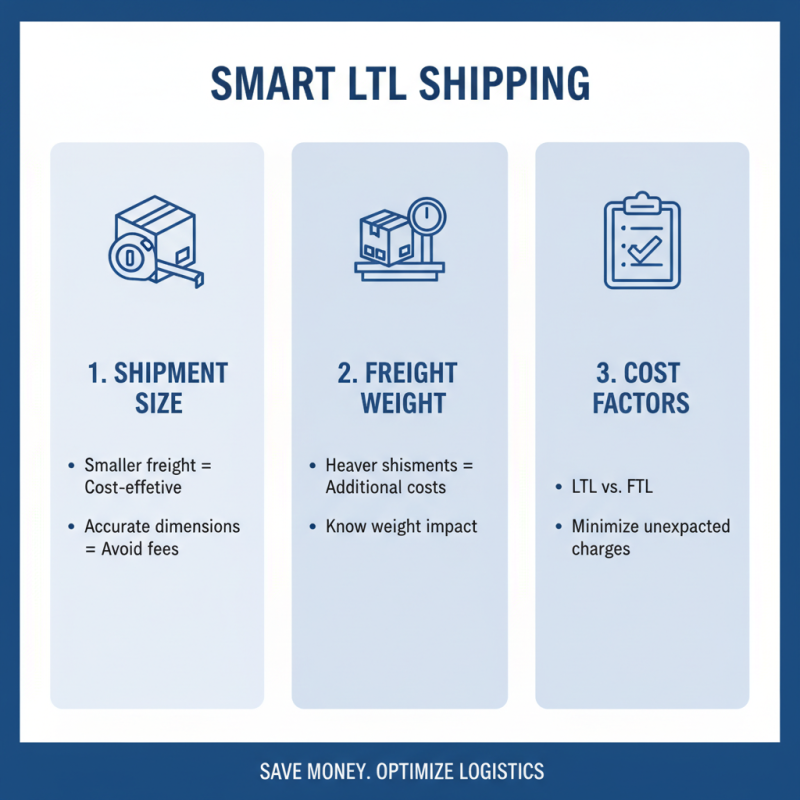
When selecting Less Than Truckload (LTL) shipping, several key factors can significantly influence your costs and needs. One important factor is shipment size. If your freight is smaller, LTL is often more cost-effective than full truckload options. However, accurately measuring your freight dimensions is crucial. A mistake in size can lead to higher charges. Another aspect to consider is weight. Heavier shipments typically incur additional fees. Knowing how weight affects pricing can help avoid unexpected costs.
Transit times play a critical role as well. Some LTL carriers may have longer delivery windows. Understanding your deadlines and customer expectations is essential here. It’s important to analyze if a lower rate is worth a delay in delivery. Additionally, the type of freight matters. Hazardous materials, for example, could involve extra regulations and surcharges. Recognizing these details early can save you from financial surprises later.
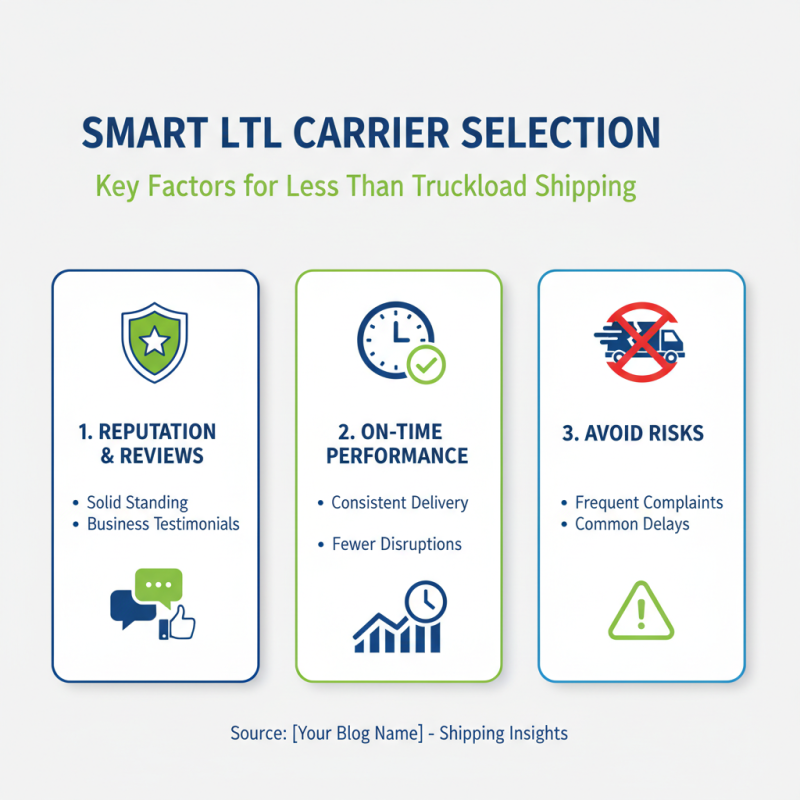
Lastly, consider the carrier's reputation and service reliability. Not all LTL providers deliver with the same efficiency. Research reviews and seek feedback to find a suitable partner. A carrier that often damages goods or misses deadlines can be costly in the long run. Evaluating these factors ensures your choice in LTL shipping aligns closely with your business requirements.
Costs Analysis: How to Calculate and Compare LTL Shipping Rates
Understanding LTL shipping rates can be daunting. You need to analyze various factors before making a decision. Begin by calculating weight and dimensions. This data directly influences your shipping costs. A shipment that is too large or heavy may incur extra fees. Use online calculators to get an initial sense, but they are not always precise.
Consider distance and delivery timeline. Longer routes usually mean higher costs. Choose between expedited services or standard ones. Each option has implications on your budget. Compare rates from multiple carriers. Pricing can vary significantly. Don’t forget to examine additional charges like fuel surcharges or residential fees. These can add up quickly and complicate your budget.
In addition, think about frequency and volume. Regular shipments could qualify for discounts. However, fluctuating needs might prevent consistency. Make sure to gather quotes often. They can change with seasons or even economic conditions. Reflection on your shipping strategy is essential. Are you meeting your budgetary goals? Analyze your choices and adjust when necessary.
How to Choose Less Than Truckload Shipping for Your Business? - Costs Analysis: How to Calculate and Compare LTL Shipping Rates
| Shipping Provider |
Base Rate ($) |
Additional Fees ($) |
Total Estimated Cost ($) |
Transit Time (Days) |
| Provider A |
500 |
75 |
575 |
4-5 |
| Provider B |
450 |
50 |
500 |
3-4 |
| Provider C |
600 |
100 |
700 |
1-2 |
| Provider D |
550 |
60 |
610 |
5-6 |
Best Practices for Optimizing Your LTL Shipping Strategy and Efficiency
When optimizing your LTL shipping strategy, focus on key best practices. Understanding your shipping volume can help you determine cost efficiency. According to the latest industry report, companies can save 10% to 20% by consolidating shipments. Tracking your shipment data regularly allows you to spot inefficiencies and improve service.
Tips: Choose specific routes. Analyze transit times. Reducing unnecessary routes cuts costs. This might seem simple, but it often gets overlooked. Many businesses find themselves paying more for delays or miscalculated routes.
Communication is vital. Suppliers and carriers should stay in touch. Ensuring everyone agrees on terms can minimize confusion. A report from the Freight Transportation Research Institute highlights that poor communication leads to overspending in 30% of cases. Keeping lines open helps avoid such pitfalls and can streamline your overall process.
Tips: Invest in technology. Tools like route optimization software can enhance efficiency. This investment pays off when it reduces shipping times and costs. Regularly review and adjust your strategies based on market trends. Staying flexible is essential for continuous improvement.
How to Choose Less Than Truckload Shipping for Your Business?
This chart illustrates the common factors businesses consider when selecting Less Than Truckload (LTL) shipping options. The data points reflect the average importance ranking of these factors based on industry feedback.