What is 3PL Logistics and How Does It Work?
3PL logistics, or third-party logistics, plays a crucial role in modern supply chains. According to a 2023 report by Grand View Research, the global 3PL market is projected to reach $1.3 trillion by 2026. This growth reflects businesses’ increasing reliance on logistics providers to streamline operations. Companies often face challenges, such as managing inventory and shipping costs. Here, 3PL logistics offers solutions to enhance efficiency.
In this fast-paced market, flexibility is key. Many businesses struggle to balance cost and service quality. A study from Armstrong & Associates indicates that 90% of companies use some form of 3PL services. This shows how pervasive and essential 3PL logistics has become. However, not all 3PL providers deliver the same level of service. It is crucial for companies to choose the right partner wisely.
As e-commerce continues to rise, the demand for effective logistics solutions grows. In 2022, online sales accounted for 19% of total retail sales worldwide, according to the U.S. Census Bureau. This trend emphasizes the importance of timely and accurate logistics services. Nevertheless, the varying quality of 3PL logistics providers can lead to significant risks. Businesses must evaluate their logistics partners critically.
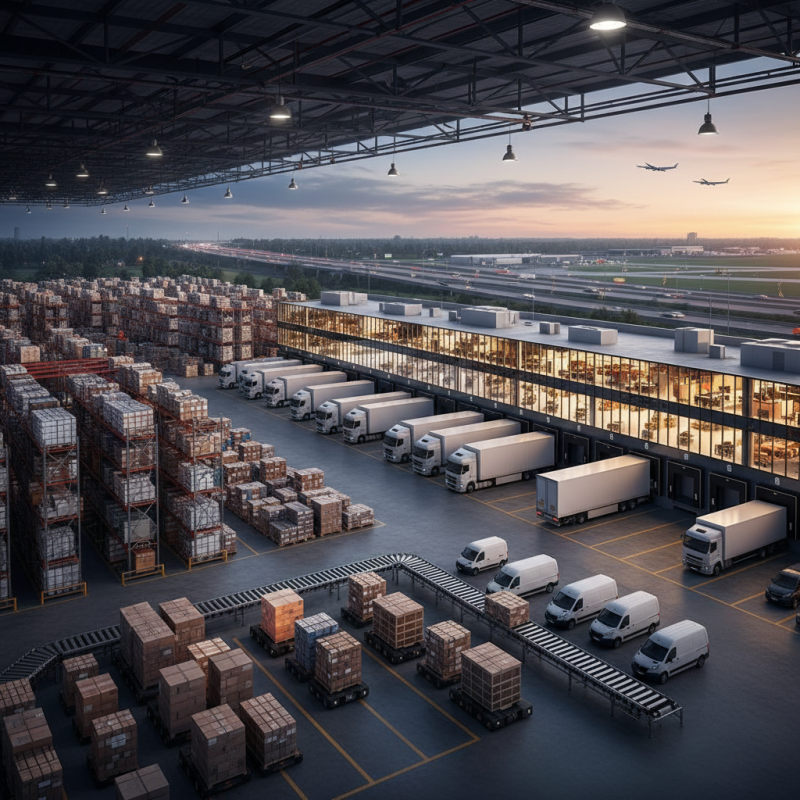
What is 3PL Logistics: Definition and Overview of the Concept
Third-party logistics (3PL) refers to outsourcing logistics and supply chain management. Businesses often turn to 3PL providers for expertise. This trend has grown significantly, with the global 3PL market reaching over $1 trillion in 2021. Many firms utilize 3PL for cost savings and efficiency.
3PL services encompass transportation, warehousing, and inventory management. Providers often use advanced technology to streamline processes. Some reports suggest that companies can reduce logistics costs by 10-20% when using 3PL. However, not all 3PL relationships work well. Miscommunication can lead to delays and inventory issues.
Effective collaboration is crucial. Regular assessments of 3PL performance are necessary. While 3PL offers many benefits, reliance on external partners introduces risks. Businesses must remain involved in logistics decisions to mitigate challenges and ensure smooth operations.
Key Functions of 3PL Providers in Supply Chain Management
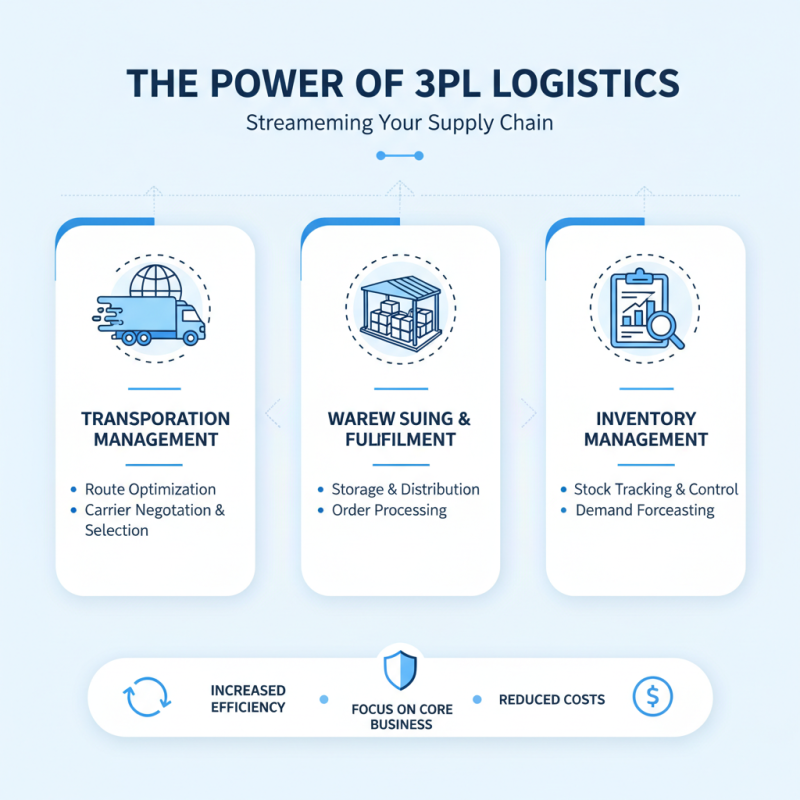
3PL logistics, or third-party logistics, plays a pivotal role in the supply chain. These providers offer various services that enhance efficiency and reduce costs for businesses. Key functions of 3PL providers include transportation management, warehousing, and inventory management. They help businesses streamline operations and focus on core activities.
Transportation management involves coordinating the movement of goods. This includes choosing the right carriers, negotiating rates, and tracking shipments. It’s crucial for companies to understand how transportation impacts delivery times and customer satisfaction. A well-managed transportation plan can lead to significant savings.
Warehousing services are another critical function. 3PL providers often operate multiple warehouses for better distribution. They handle storage, order fulfillment, and packaging. Perhaps a business struggles with excess inventory and high storage costs. Working with a 3PL can help optimize space and reduce waste.
**Tips:** Evaluate your current logistics processes. Identify areas for improvement. Understand that flexibility is key when partnering with 3PLs. Sometimes, letting go of a bit of control can yield better results. Communicate clearly with your 3PL provider. Ensure your needs align with their capabilities. This can prevent costly misunderstandings.
The Benefits of Using 3PL Logistics for Businesses and Cost Efficiency
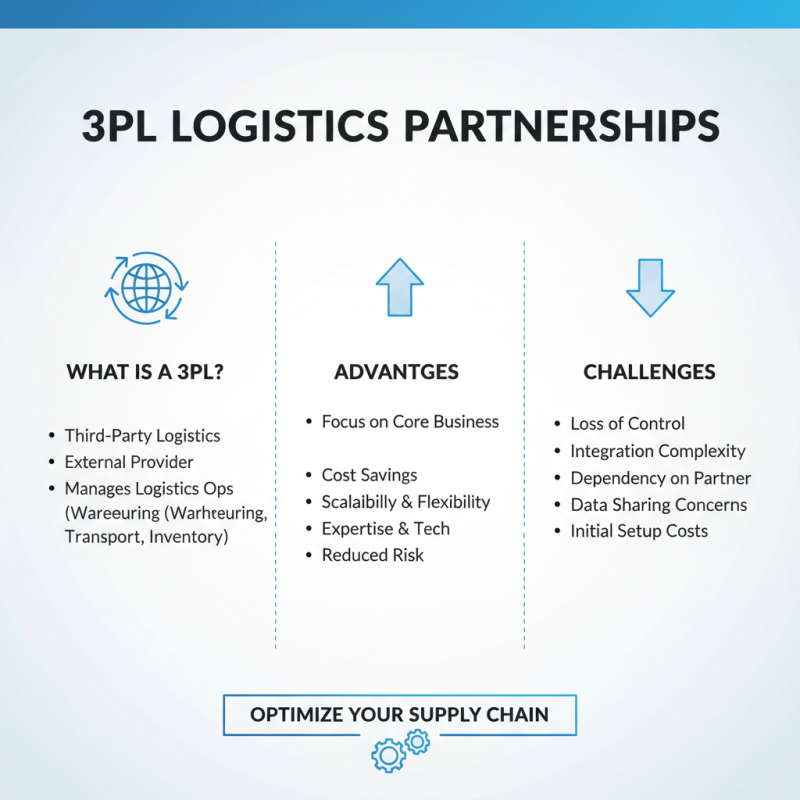
Businesses today are increasingly turning to third-party logistics (3PL) providers. These companies handle logistics operations like warehousing, transportation, and inventory management. This allows businesses to focus on what they do best. Yet, working with a 3PL partner comes with both advantages and challenges.
Cost efficiency is a primary benefit of 3PL logistics. By outsourcing logistics, companies can reduce overhead costs. They pay only for the services used, which can be more cost-effective than managing everything in-house. Additionally, 3PL providers often have established networks. This can lead to lower shipping rates as they leverage bulk shipping discounts.
Tip: When evaluating a 3PL provider, look for one with industry experience. A knowledgeable partner can offer insights into improving your supply chain.
While cost savings are appealing, businesses should be mindful of the potential pitfalls. Some may find that they lose control over their logistics processes. This can lead to communication issues. It's important to establish clear expectations and keep lines of communication open.
Tip: Regularly review the performance metrics of your 3PL partner. This helps in identifying areas for improvement and ensures alignment with your business needs.
Current Trends and Statistics in the 3PL Industry for 2023
The 3PL industry has seen significant growth in 2023. Many companies now rely on third-party logistics providers for efficiency. Outsourcing logistics allows businesses to focus on core competencies. Current statistics show that over 70% of companies use 3PL services to manage their supply chains.
One noticeable trend is the integration of technology. Automation and data analytics streamline operations, reducing errors. Businesses increasingly seek real-time tracking solutions. However, not all companies adapt seamlessly. Some struggle with the transition, facing challenges in staff training and system integration.
Sustainability is another critical focus in the 3PL sector this year. Eco-friendly practices are gaining traction. Many providers are exploring green transportation options. Yet, achieving sustainability goals can be complex. Some companies question the cost implications of greener alternatives. It's a balancing act, requiring careful planning and strategic investment.
3PL Logistics Market Growth (2020-2023)
This bar chart illustrates the growth of the 3PL logistics market from 2020 to 2023. The market size has consistently increased each year, reflecting the rising demand for third-party logistics services in various industries.
Choosing the Right 3PL Provider: Factors to Consider and Analyze
Choosing the right 3PL provider is essential for smooth logistics management. First, analyze your specific needs. Consider your business size, shipping volume, and delivery times. A small company may prioritize cost savings, while a larger one might focus on scalability and technology.
When assessing potential providers, look at their service offerings. Do they have the capacity for warehousing, transportation, and distribution? Also, evaluate their technology solutions. Real-time tracking can make a significant difference. You want visibility throughout the supply chain.
Tip: Ask for references. Speak to current clients about their experiences. This can reveal essential insights about
reliability.
Another factor is
flexibility. The logistics landscape changes rapidly. Your provider should adapt to fluctuations in demand. If they can't pivot quickly, it may hinder your operations.
Tip: Test their communication. Effective collaboration is key. Ensure they are
responsive and
transparent. A provider that fails in this area could lead to costly delays.
In the end, take your time in choosing. A poor decision can impact your entire operation.
Reflect on what truly matters to your business.