What is 3PL Logistics and How Can It Benefit Your Business?
In today's competitive market, businesses constantly seek ways to improve operations and customer satisfaction. 3PL logistics stands out as a viable solution. By outsourcing logistics, companies can focus on core activities. This approach allows for flexibility and scalability, essential in an ever-changing landscape.
3PL logistics providers offer expertise in transportation, warehousing, and distribution. They bring advanced technology and resources that many businesses may lack. Partnering with a reliable 3PL can lead to reduced costs and improved efficiency. However, it's crucial to select a trustworthy provider. Companies must consider factors like industry experience and service reliability.
While 3PL logistics can yield significant benefits, challenges exist. Relying on an external partner may lead to a loss of control over the supply chain. Businesses must communicate clearly and set expectations. Otherwise, issues may arise, impacting customer experience. Embracing 3PL logistics requires careful consideration and planning.
Understanding the Concept of 3PL Logistics
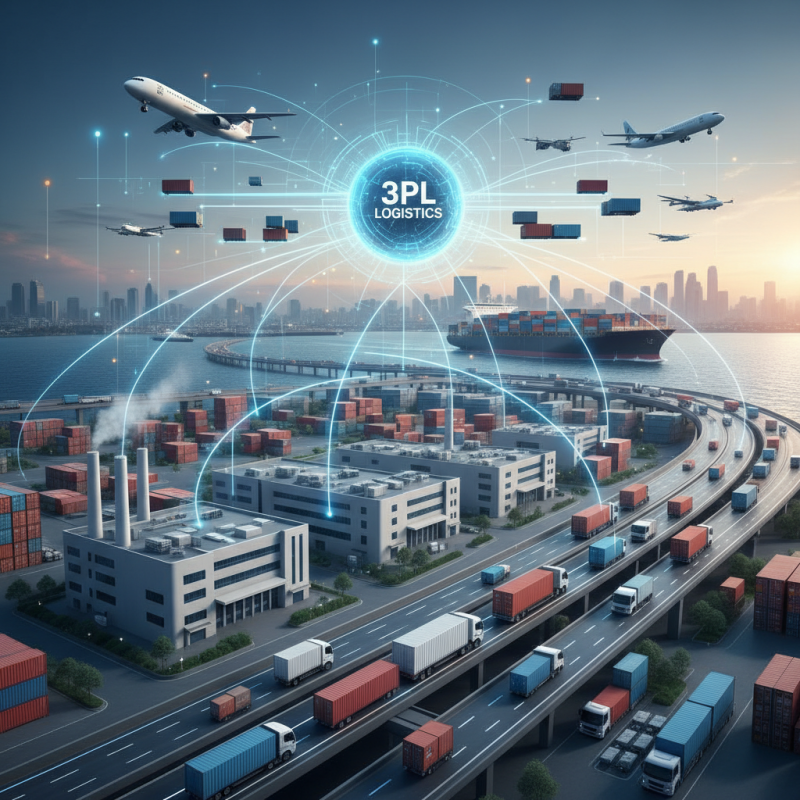
3PL (Third-Party Logistics) refers to the outsourcing of logistics and supply chain management functions. Companies benefit from 3PL by leveraging experts in distribution, warehousing, and transportation. In recent years, the global 3PL market has experienced significant growth. According to a report by Research and Markets, the market size is expected to reach over $1.3 trillion by 2024. This growth highlights the increasing reliance on specialized providers to enhance efficiency.
Understanding 3PL logistics involves recognizing its core services. These can include transportation, warehousing, inventory management, and order fulfillment. Each service can be tailored according to business needs. A study from Gartner reveals that companies using 3PL services see an average reduction in logistics costs by 10-15%. However, there are challenges. Businesses must ensure their chosen 3PL partner aligns with their strategic goals. Lack of communication or unclear expectations can lead to operational issues.
Furthermore, companies need to consider their control over the supply chain. Relying too heavily on a 3PL can result in diminished oversight. Some businesses report dissatisfaction due to perceived loss of quality in customer service. It’s essential to examine these aspects critically. Effective implementation of 3PL logistics can drive growth but may introduce complexities that require careful management.
Key Benefits of 3PL:
- Expertise in logistics operations
- Cost Efficiency through reduced logistics costs
- Flexibility in scaling operations
Key Components of 3PL Services
3PL logistics, or third-party logistics, encompasses various services critical for efficient supply chain management. One key component is warehousing. Here, businesses store inventory securely. Advanced inventory management systems can track stock levels in real time, reducing the risk of shortages or excess.
Transportation management is another essential service. A robust network can optimize shipping routes, minimizing delays. Companies often struggle with logistics inefficiencies, leading to increased costs. Professional 3PL providers have the expertise to handle complex transportation needs, ensuring timely deliveries. This expertise can be a game changer for businesses looking to enhance customer satisfaction.
Additionally, order fulfillment plays a vital role. Efficient fulfillment centers process and ship orders quickly and accurately. Mistakes in order handling can harm a business's reputation. By leveraging 3PL services, companies can often improve accuracy rates and reduce return incidents. With access to a range of experience and tools, businesses might find opportunities to streamline operations.
Benefits of 3PL Logistics for Your Business
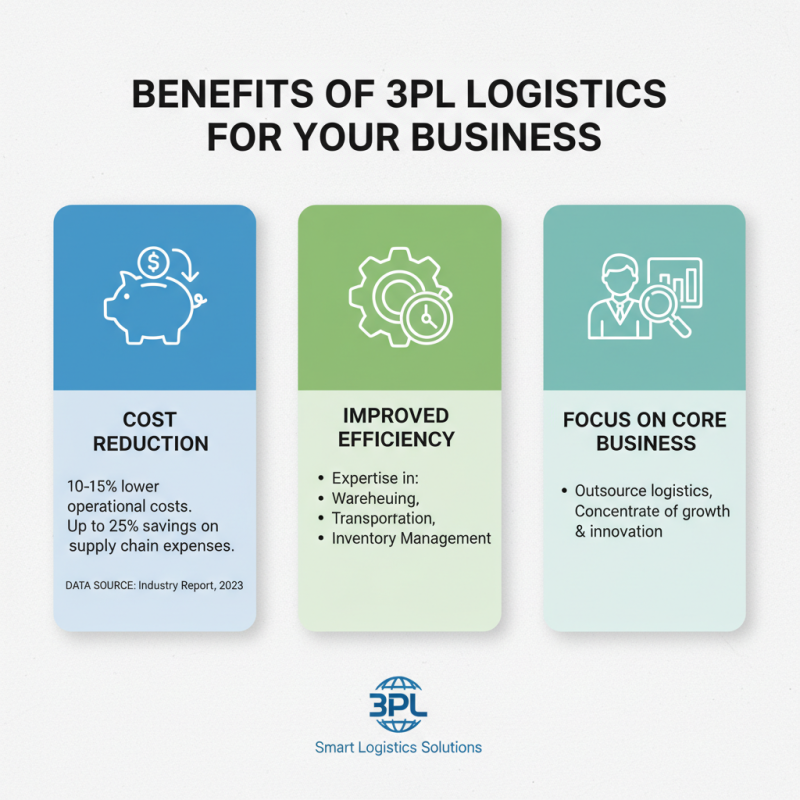
Third-party logistics (3PL) services offer significant advantages for businesses. In recent years, companies that utilized 3PL reported a 10-15% reduction in operational costs. This efficiency is crucial as supply chain expenses can consume up to 25% of a business's total operating costs. With 3PL, businesses can leverage expertise in warehousing, transportation, and inventory management, allowing them to focus on core activities.
Furthermore, using 3PL can enhance service flexibility. According to a 2022 report by Armstrong & Associates, 85% of companies experience improved scalability with a logistics partner. This flexibility allows businesses to respond quickly to market demands. However, it's important to recognize that not all partnerships yield the same results. Some businesses may encounter a lack of control over logistics processes, leading to potential customer dissatisfaction.
Additionally, integrating technology with 3PL services allows for better visibility and tracking. Reports show that companies utilizing data analytics in logistics see a 30% improvement in delivery accuracy. However, reliance on technology can also raise issues, such as cybersecurity threats or data inaccuracies. Businesses must weigh these factors when considering 3PL logistics as a solution for growth and efficiency.
Choosing the Right 3PL Provider for Your Needs
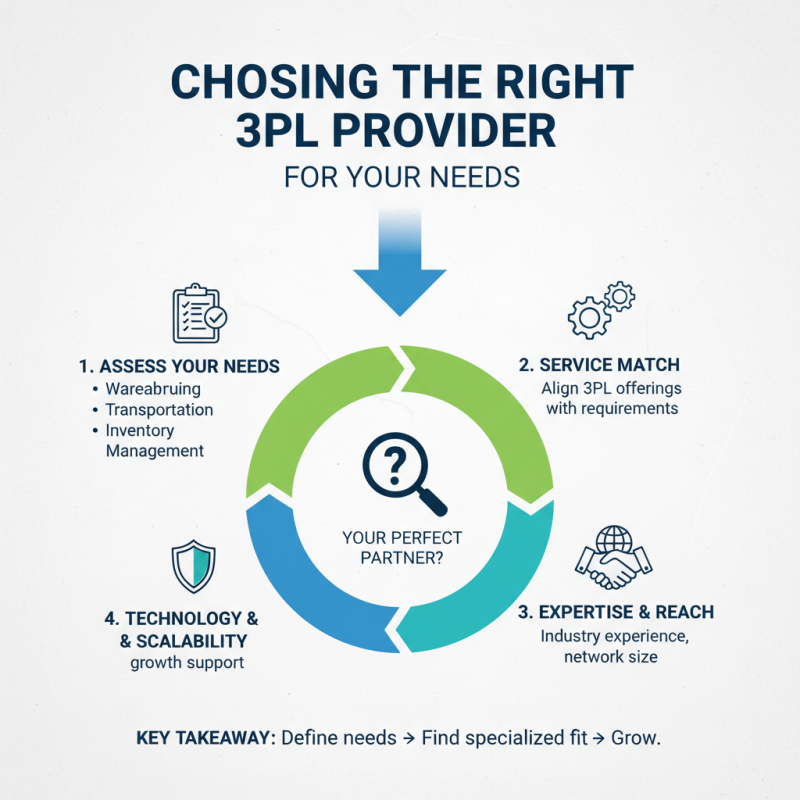
Choosing the right third-party logistics (3PL) provider is crucial for any business. Many factors come into play when making this decision. First, assess your specific logistics needs. Determine the types of services you require, such as warehousing, transportation, or inventory management. A clear understanding of your needs will help you identify suitable 3PL partners.
Next, evaluate their expertise in your industry. Not all 3PL providers have the same experience. Look for those who specialize in your sector. Their familiarity with industry regulations and best practices is invaluable. Don't overlook customer reviews and case studies. They provide insights into a provider's reliability and effectiveness.
Cost is always a concern. However, the cheapest option may not be the best. Analyze value, not just price. Consider the provider's technology and scalability. An advanced logistics solution can significantly enhance efficiency. The wrong partner can lead to disruptions. Take your time to ensure you choose wisely.
Challenges and Considerations in 3PL Partnerships
In the realm of logistics, partnering with a third-party logistics provider (3PL) can seem appealing. However, several challenges arise in these partnerships that businesses must navigate. Understanding these obstacles is crucial for a successful collaboration.
One significant challenge involves aligning operational processes. A study by Armstrong & Associates indicates that 70% of 3PL relationships falter due to misaligned expectations. This misalignment often stems from differing corporate cultures or communication gaps. Clear communication channels and well-defined objectives can help bridge these cultural divides. Businesses must invest time in aligning goals with their 3PL partner to foster a robust relationship.
Another considerable hurdle is data integration. A report from the Council of Supply Chain Management Professionals states that 54% of companies experience difficulties sharing data with their 3PL providers. This gap can lead to inefficiencies and misinformed decision-making. Establishing a shared technology platform can resolve many of these issues. Open and reliable data sharing enhances visibility in the supply chain, allowing for more informed strategies. Ultimately, while 3PL partnerships yield numerous benefits, businesses must address these challenges to maximize their logistics potential.
Benefits of 3PL Logistics for Businesses
This chart illustrates the various benefits of using 3PL logistics for businesses, highlighting aspects such as cost reduction, the ability to focus on core business operations, improved scalability, enhanced customer satisfaction, and access to advanced technology. The effectiveness of these benefits is quantified, showcasing their importance in making logistics decisions.