2026 Top Trends in Cargo Movement for Global Buyers
As we look ahead to the future of commerce, cargo movement is at the forefront of global trade. Innovations in logistics and transportation redefine how goods are transported across borders. The year 2026 promises significant changes that every buyer should note.
Rapid advancements in technology are transforming cargo movement. Automation and smart tracking systems enhance efficiency and reduce delays. However, challenges remain. Not all regions have access to advanced technology. This discrepancy can lead to imbalances in supply chains.
Sustainability also plays a vital role in cargo movement trends. Buyers increasingly seek eco-friendly options. Yet, implementing these solutions can be costly for some. Companies must reflect on their practices to balance cost with environmental responsibility. In this dynamic landscape, understanding these trends is essential for success.
Emerging Technologies Revolutionizing Cargo Movement in 2026
In 2026, emerging technologies are set to revolutionize cargo movement. Automation will become mainstream in logistics. Autonomous trucks and drones will streamline delivery processes. These machines promise to increase efficiency. However, reliance on technology raises questions about safety and reliability.
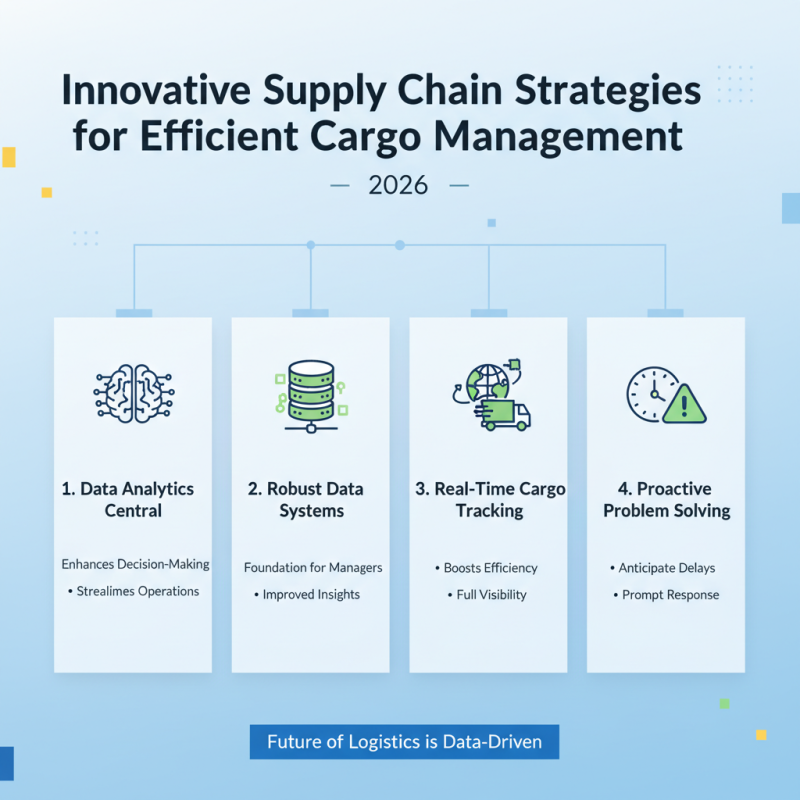
Artificial intelligence (AI) will enhance decision-making. Advanced algorithms will analyze real-time data for optimal routing and inventory management. This technology will reduce costs and improve service levels. Still, the heavy reliance on AI might lead to vulnerabilities, such as cyber-attacks or system failures.
Blockchain technology will transform transparency in cargo tracking. It will allow for secure, real-time updates on shipment status. While this promises reliability, it also requires robust cybersecurity measures. As the industry embraces these advances, it must remain vigilant about potential pitfalls and challenges. The balance between innovation and safety will be crucial in shaping the future of cargo movement.
Sustainability Practices Shaping Global Shipping and Logistics Trends
Sustainability practices are becoming essential in global shipping and logistics. As buyers seek greener options, the industry is evolving rapidly. This shift includes implementing alternative fuels and optimizing supply chains. Companies are now focusing on reducing their carbon footprints. It’s a necessary change for a healthier planet.
Investing in technology is vital. Automation and data analytics play significant roles in enhancing efficiency. However, many companies still grapple with integration challenges. They often overlook the importance of training staff to maximize these technologies. This can lead to wasted resources and missed opportunities.
Here are some tips for global buyers. Prioritize suppliers who demonstrate sustainability in their operations. Seek transparent practices in sourcing and transportation. Regularly assess your logistics strategies to enhance efficiency. Embrace the idea that not all changes will be perfect. Flexibility and ongoing evaluation will foster continuous improvement in sustainable practices.
Impact of E-commerce on Cargo Movement Dynamics
E-commerce is reshaping cargo movement dynamics. The demand for swift delivery is more crucial than ever. As online shopping continues to surge, logistics networks must adapt. Global buyers now expect faster shipping and transparent tracking options.
Tips for adapting to e-commerce trends include investing in technology for better inventory management. Real-time tracking systems enhance customer trust. Companies should consider partnering with regional couriers to streamline last-mile deliveries. Smaller, localized solutions can often deliver packages quickly.
The rise of e-commerce also brings challenges. Increased demand can overwhelm existing infrastructure. Sustainability Is a growing concern as well. Buyers face the dilemma of balancing speed with environmental impact. Companies must find innovative ways to address these issues while maintaining efficiency.
2026 Top Trends in Cargo Movement for Global Buyers
This bar chart illustrates the impact of e-commerce on cargo movement dynamics, highlighting the expected percentage increase in various cargo types due to the growth of online shopping by 2026.
Regulatory Changes Influencing Global Cargo Transportation in 2026
Regulatory changes will significantly reshape global cargo transportation in 2026. Countries are tightening customs regulations to enhance security and efficiency. According to the International Air Transport Association (IATA), 75% of air cargo traffic is expected to face stricter compliance requirements. This shift will encourage technology adoption among shippers and carriers. Yet, it may lead to delays in cargo movement.
New digital platforms will emerge to facilitate compliance and streamline documentation processes. However, not all companies will adapt quickly. A study by Deloitte indicates that over 60% of small to medium-sized enterprises (SMEs) struggle with technology integration. Regulatory frameworks can often be challenging to navigate for these businesses. They may risk losing market share to larger competitors equipped with better resources.
Increased environmental regulations are another aspect to watch. As countries adopt greener practices, logistics will need to comply with emissions targets. A report from the World Economic Forum highlights that the transport sector contributes 14% of global greenhouse gas emissions. Companies not prioritizing sustainability may face penalties or loss of licenses. These regulations could become a double-edged sword, promoting better practices while presenting obstacles for laggards in the industry.